Membrane technology drives recycling breakthrough
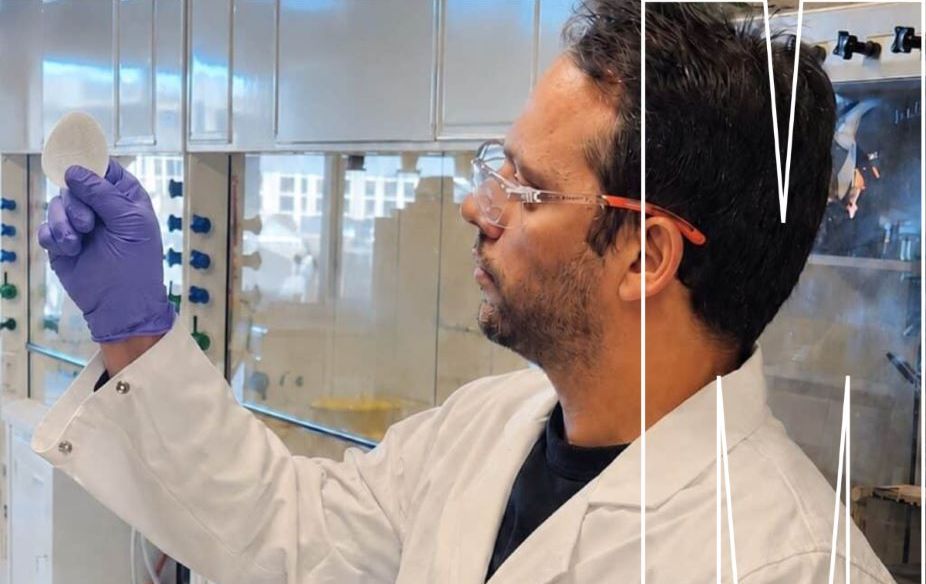
A research team from Monash Engineering has designed a novel filtering material that could make plastic recycling cheaper, cleaner and more efficient, helping recover valuable chemicals that are typically lost during the recycling process.
Developed in collaboration with CSIRO and The University of Texas at Austin, the new nanocomposite membrane technology improves glycolysis, a chemical recycling process used to break down PET plastics commonly found in drink bottles, food packaging and textiles.
Rather than relying on energy-intensive recovery methods, the advanced membranes selectively separate water from ethylene glycol, allowing the chemical to be recovered at high purity and reused in the recycling process.
Lead author Dr Hamidreza Mahdavi from Monash Materials Science and Engineering said the research addresses a major challenge in current recycling systems.
“Plastic waste still contains valuable building blocks. Our work shows that membrane technology can help recover these building blocks more efficiently from PET recycling streams, so they can be reused rather than wasted,” Dr Mahdavi said.
The innovation could help reduce plastic waste, lower emissions and improve the economics of recycling, supporting the transition to a more circular economy.
Read the research in Chemical Engineering Journal (CEJ) here.