Clean energy breakthrough: harnessing power from saltwater and freshwater
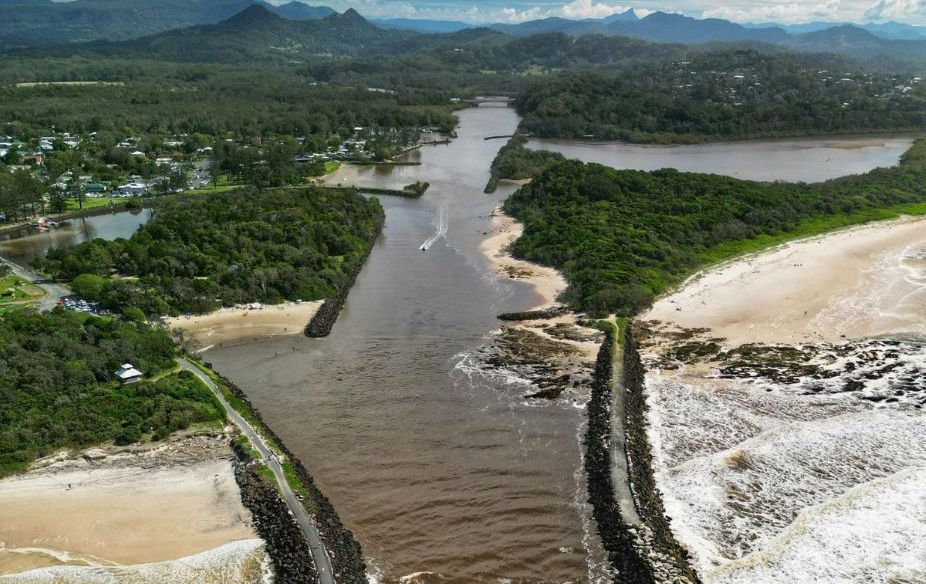
When seawater and freshwater meet, a natural process releases energy. Known as osmotic energy, this renewable source has long been recognised as a clean and virtually unlimited form of power. The challenge has been finding efficient ways to capture it.
A team of researchers - led by PhD candidate Yumeng Guo of Monash Chemical and Biological Engineering - has demonstrated a new approach that significantly improves energy generation from this process. Their work focuses on reverse electrodialysis, a technique that uses thin membranes to control the movement of salt ions and produce electricity.
Conventional polymer-based membranes are practical to manufacture on a large scale but are less effective because of their uneven structure, which slows ion movement and reduces efficiency. To address this, the researchers developed membranes with precisely structured internal channels that allow ions to flow more easily.
Tests showed the new membranes could achieve record levels of power output - both in controlled laboratory conditions and in real-world experiments using seawater and river water.
Read the research article published in NANO MICRO Small here.