Graphene membrane breakthrough for hydrogen tech
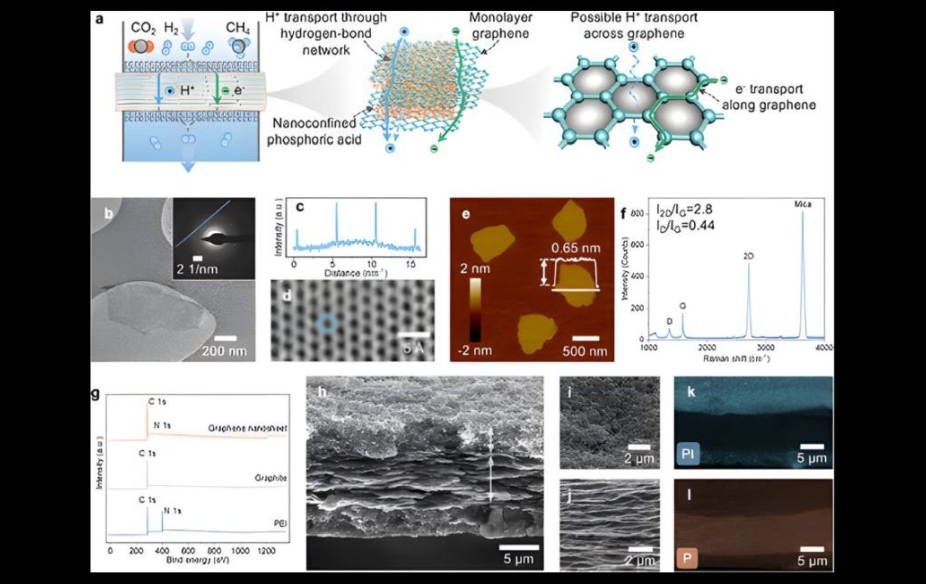
An international research team led by Monash Engineering has developed a graphene-based material capable of conducting both protons and electrons, a rare combination that could transform how we design energy devices.
This breakthrough opens the door to more efficient batteries, fuel cells and sensors by allowing charge to move more smoothly and reliably than ever before.
The material - built from ultra-thin graphene nanosheets - combines exceptional electrical performance with durability and flexibility, making it promising for next-generation energy and electronic technologies.
By integrating proton and electron conduction in a single material, the team has created new possibilities for compact, high-performance devices that could power the future.
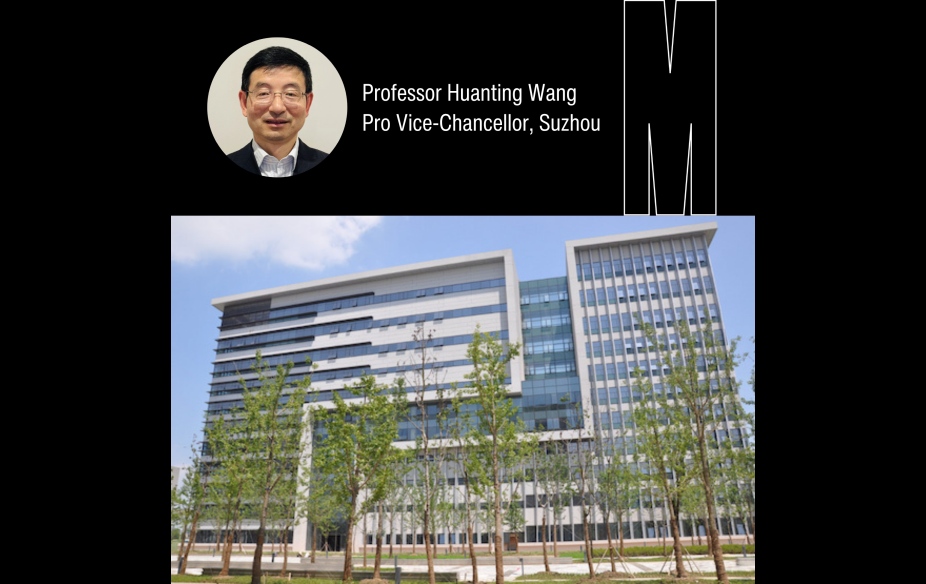
Sir John Monash Distinguished Professor and Australian Laureate Fellow, Professor Huanting Wang of Monash Chemical and Biological Engineering explains:
"The catalytic graphene-based membrane system shows high hydrogen flux while completely blocking other gases including carbon dioxide, demonstrating its potential for efficient hydrogen purification and more broadly hydrogen-related chemical production."
This work highlights how advanced materials research can bridge fundamental science and real-world applications, bringing us closer to cleaner, more efficient energy solutions.
Read the research article in Advanced Functional Materials here .