
Monash Faculty of IT hosts NASA Jet Propulsion Lab dignitary
On Wednesday 28 February, the Faculty of IT welcomed NASA Jet Propulsion Laboratory’s (JPL) Deputy Director Lt. Gen. Larry D. James to Monash University’s Clayton campus.
The visit built on the existing relationship with JPL established by the Faculty of IT’s Associate Dean (Indigenous) Professor Chris Lawrence through the National Indigenous Space Academy (NISA) and supported by the Australian Space Agency.
Held in the Monash Innovation Labs, the event began with a VIP introduction and afternoon tea followed by a presentations session that attracted more than 300 registrations across staff and students.
Lt. Gen. James provided a keynote address delving into the history of NASA and JPL, and the different facets of their motto ‘Dare Mighty Things Together’. He also provided an extensive overview of the Lab’s key focus areas and initiatives partnering with different countries such as Australia, France and India.
Notably, he presented on a variety of projects involving autonomous systems, monitoring different moons, analysing planetary cores, next-generation octocopter designs and Mars Rover missions – plus a glimpse into future capabilities being nurtured at the Lab.

NASA/JPL Deputy Director Lt. Gen. Larry D. James
Reinforcing the synergy between Monash and JPL, the initiatives showcased drew parallels with existing projects driven by the Faculty of IT, such as using earth observations from space for environmental monitoring and disaster relief.
Following Lt. Gen. James, guests heard from three of the inaugural NISA interns, starting with Monash Bachelor of Computer Science student Linden Beaumont. He presented on his two internship projects, the Spacecraft Water Impurity Monitor and the Spacecraft Atmosphere Monitor.
Tully Mahr, Master of Mechanical Engineering student at The University of Melbourne, then spoke about her work in the Origins and Habitability Lab in the Planetary Science Division. Her project focused on hypothermal vent systems in the ocean.
The final NISA presenter was Ted Vanderfeen, who completed a Bachelor of Engineering at Western Sydney University and is currently a Graduate Research Fellow in CSIRO’s Data61. He shared his project on the Bouyant Rover for Under Ice Exploration, developing an obstacle avoidance system using an off-the-shelf sonar solution.
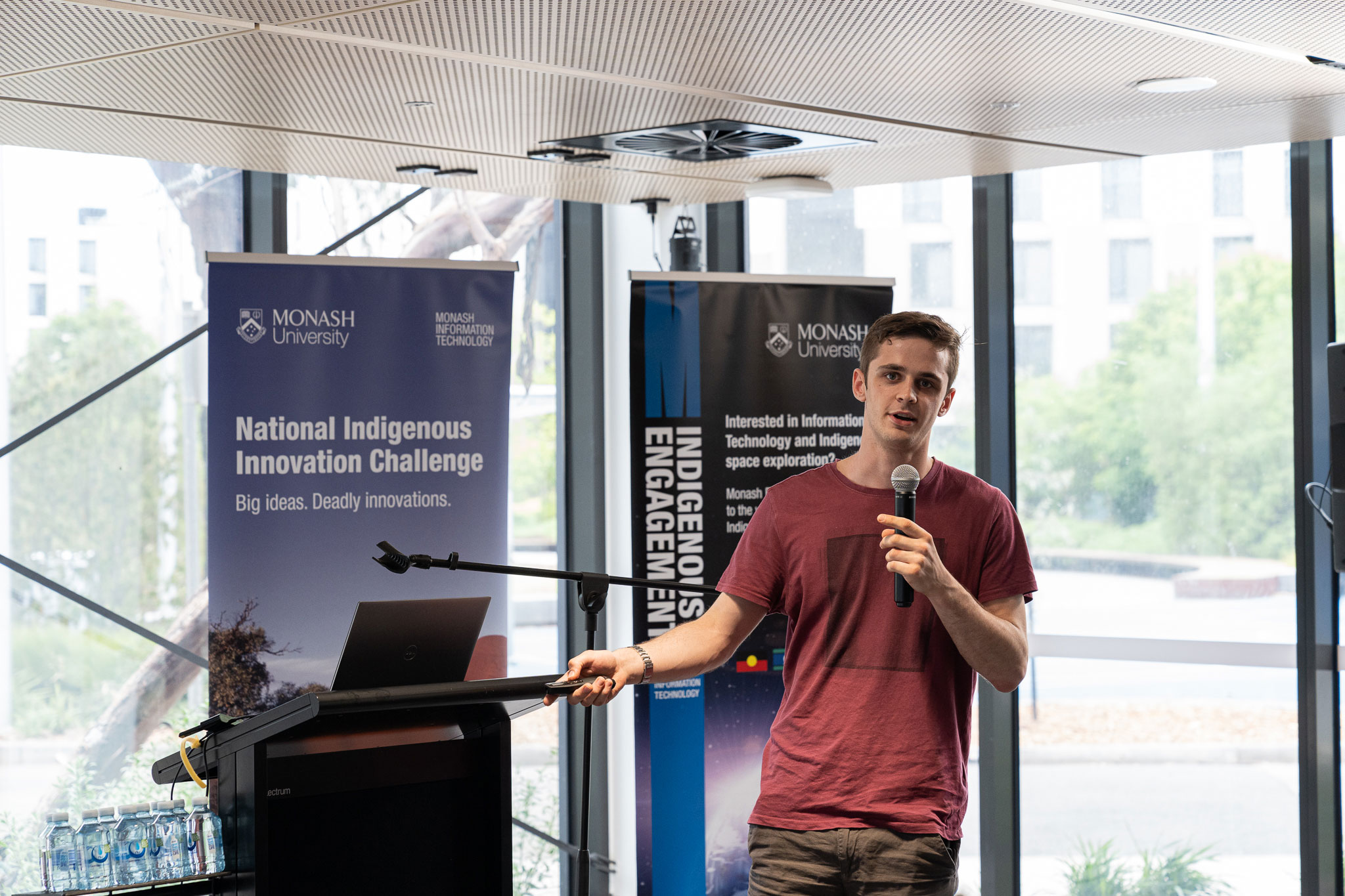
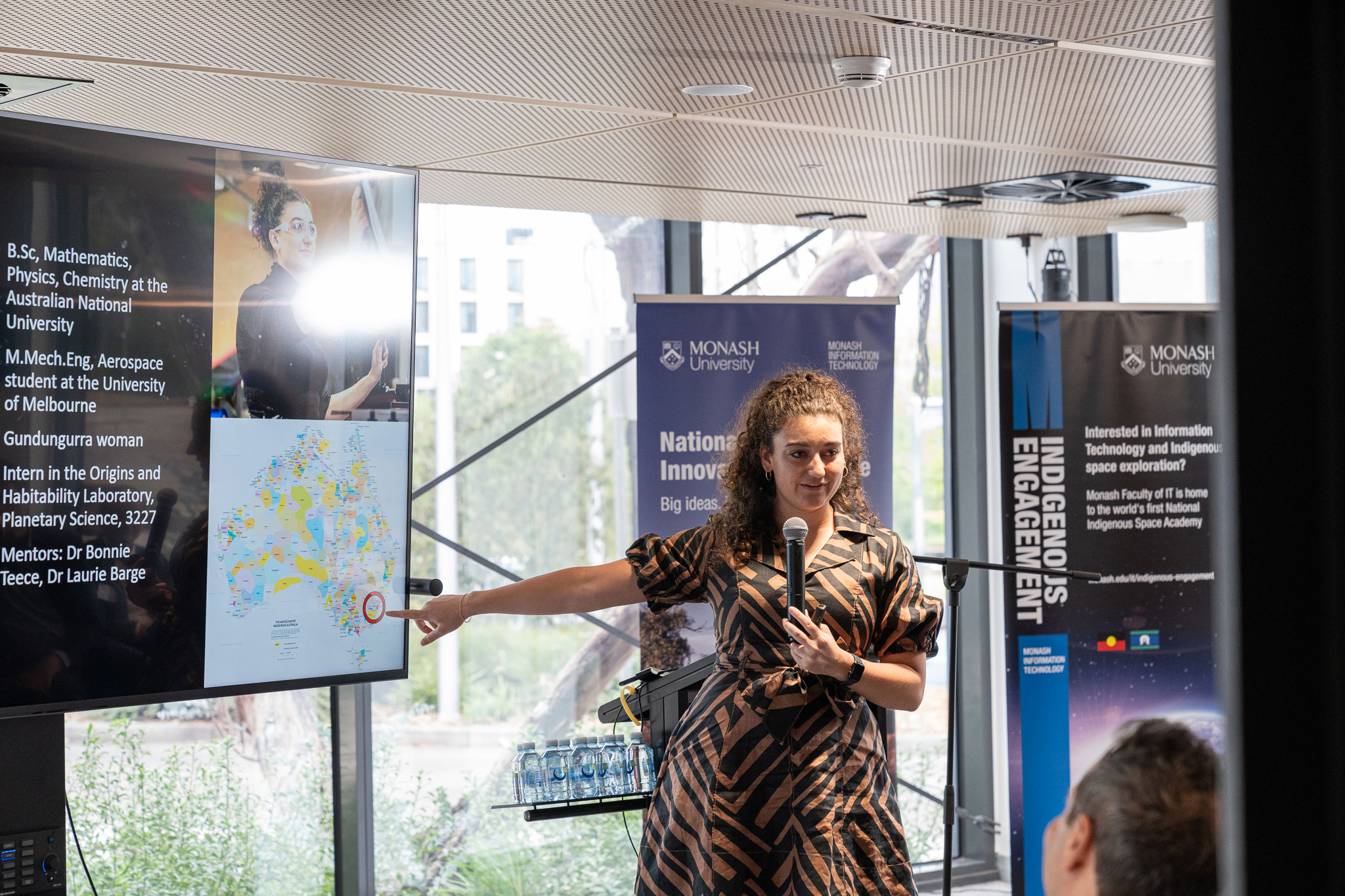
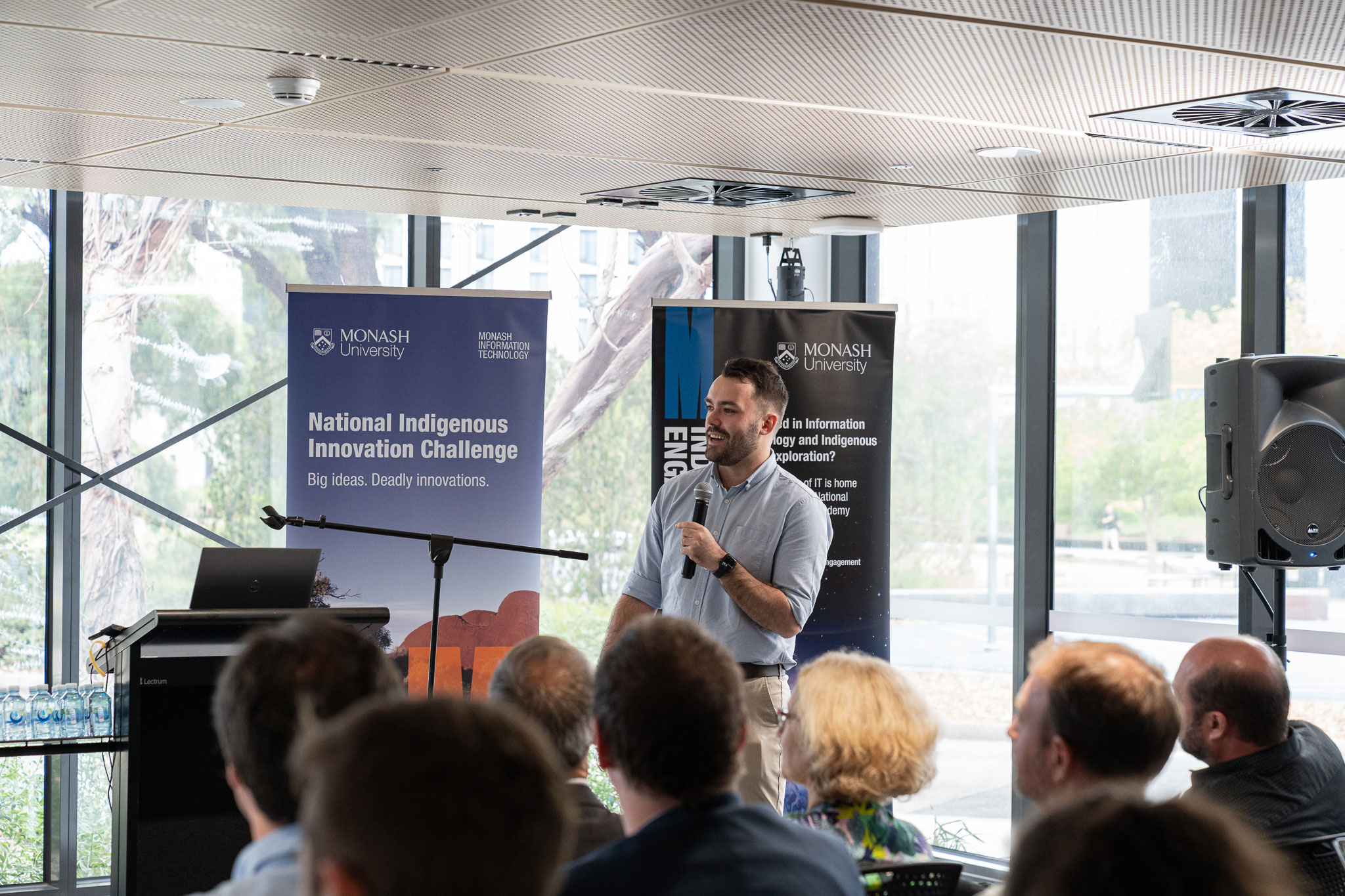
‘This visit marks a pivotal moment in our ongoing collaboration and underscores the importance of forging strong connections between academia and industry. Through initiatives like the National Indigenous Space Academy, we're exchanging knowledge while advancing a shared vision of diversity and inclusion in space exploration.’ said Professor Lawrence.
The second half of the presentations were from academics across Information Technology, Engineering and Science, who deep dived into their respective faculty’s capabilities, initiatives and education related to space and Indigenous Australians.
These included the range of IT Indigenous research projects, gravitational-wave astronomy, rocket workshops, the Victorian Indigenous Engineering Winter School and courses in astrophysics.
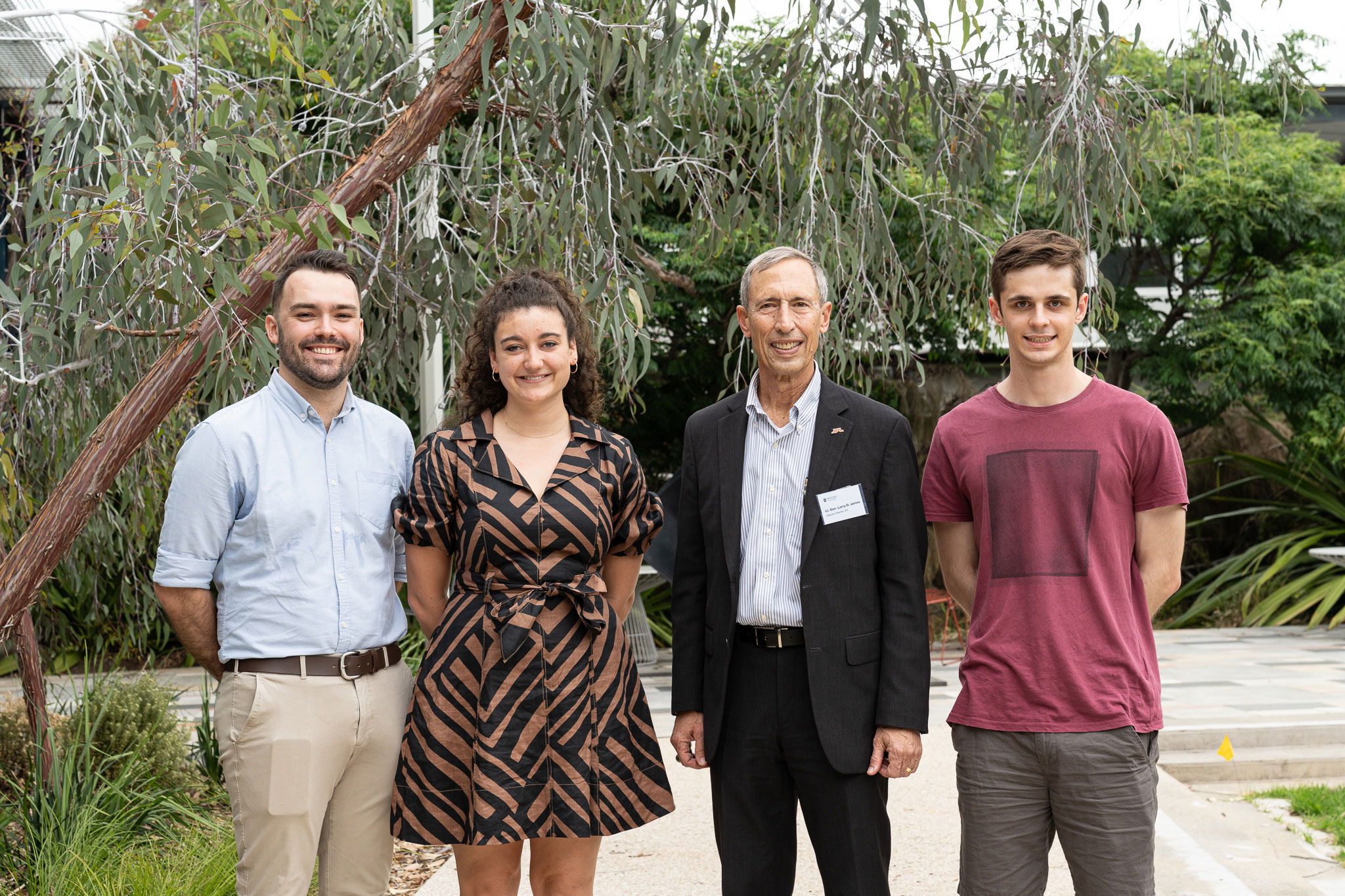
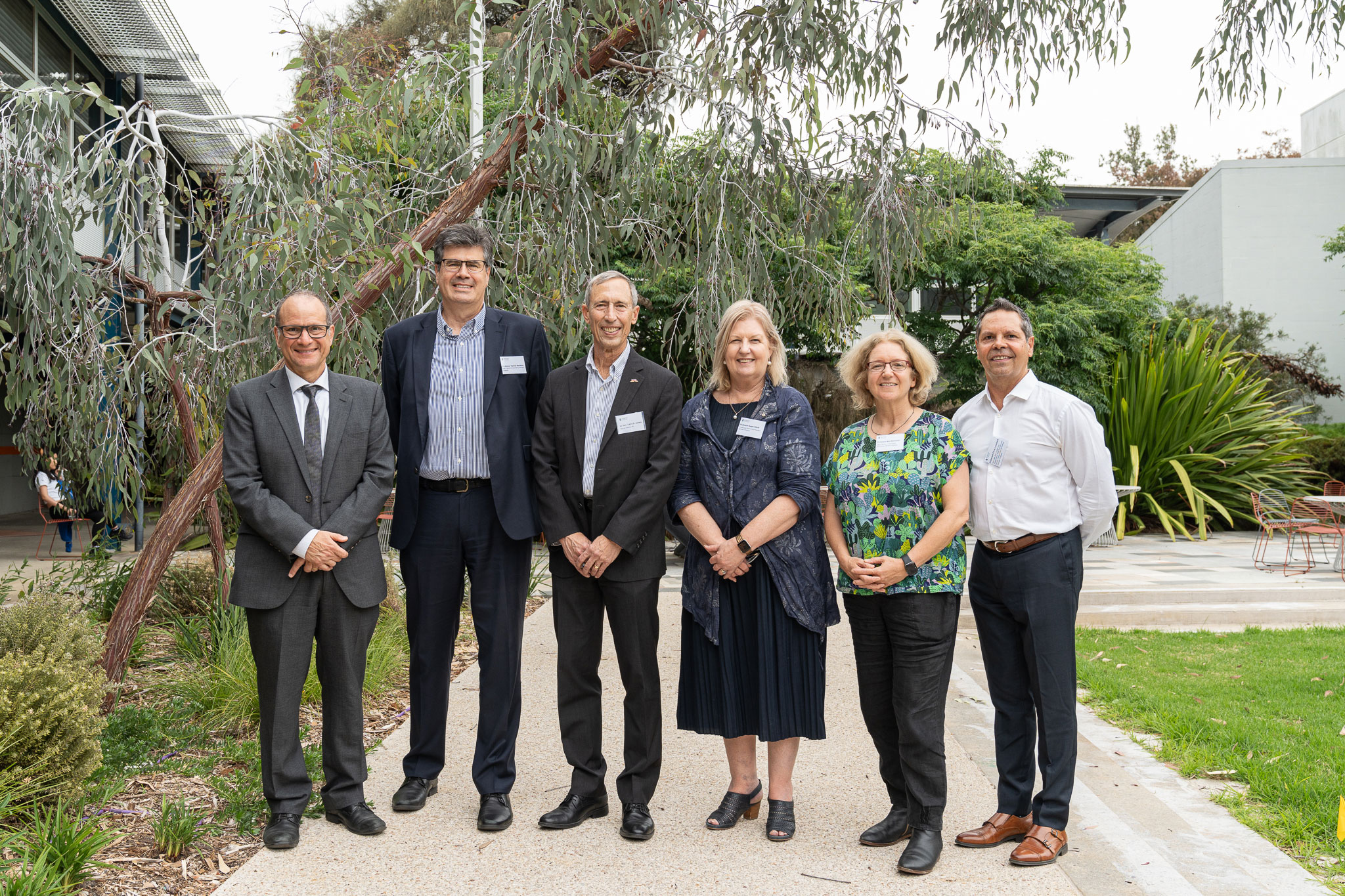
‘This event reflects our commitment to cutting-edge research and preparing our students to make impactful contributions to our global community. We were delighted to host Lt. Gen. James and showcase what’s possible with Monash." said Professor Ann Nicholson, Dean of the Faculty of Information Technology.
The visit culminated in a tour of the Monash Innovation Labs makerspace, further immersing VIPs in the ingenuity, creativity and innovation of STEM students in the University.
Overall the day presented itself as a prime opportunity to engage in greater discussions about a broader space program between NASA’s JPL and Australia's largest university.
All the presentations are available online to view.