
Leadership team
Senior Leadership
Meet the people leading our faculty in Australia and Malaysia.
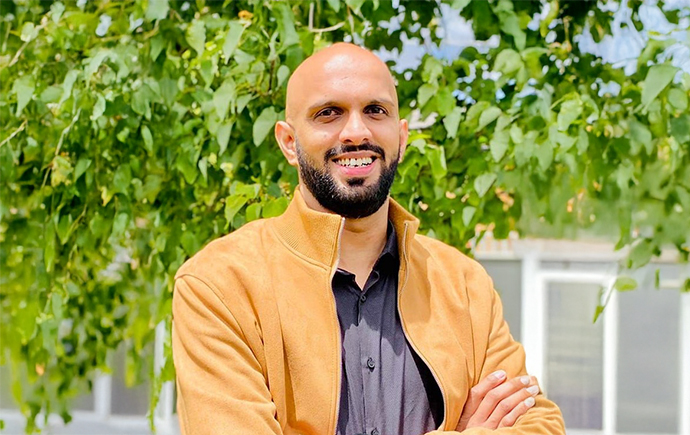
Professor Aamir Cheema
Head of Department, Software Systems and Cybersecurity
Professor Aamir Cheema is the Head of the Department of Software Systems and Cybersecurity in the Faculty of IT at Monash University. He previously served as Director of Education within the department and is the founder and co-director of the Urban Computing Lab.
Professor Cheema is an internationally recognised researcher in data management, spatial databases and urban computing. He has received multiple prestigious awards, including a Victorian Young Tall Poppy in Science (2019), ARC Future Fellowship (2018), ARC Discovery Early Career Researcher Award (2013) and the Malcolm Chaikin Prize for Research Excellence in Engineering (2012).
His research has been recognised with multiple best paper accolades, including CiSRA Best Research Paper Awards (2009 and 2010), ‘Best of ICDE’ paper mentions (2010 and 2012), and Best Paper Awards at ICAPS 2020, WISE 2013 and ADC 2010. At Monash, he has also received the Dean’s Award for Excellence in Research by an Early Career Researcher (2014) and the Monash Student Association Teaching Award (2018).
Beyond academia, Professor Cheema serves as an Associate Editor for the IEEE Transactions on Knowledge and Data Engineering and has taken on various leadership roles including Program Committee Chair for ADC, Workshop Chair for ACM SIGSPATIAL, and Proceedings Chair for ICDE and DASFAA.
He holds a PhD and a Master’s degree in Computer Science and Engineering from the University of New South Wales, and a Bachelor of Science in Electrical Engineering from the University of Engineering and Technology in Lahore.
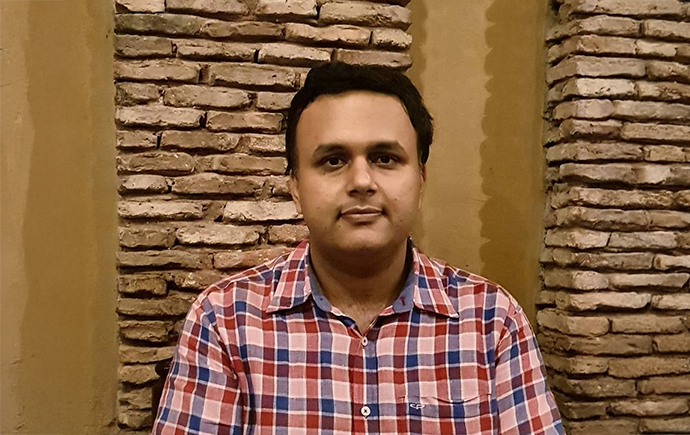
Associate Professor Abhinav Dhall
Deputy Associate Dean (International)
Associate Professor Abhinav Dhall is the Deputy Associate Dean (International) in the Faculty of IT at Monash University. In this role, he supports the Associate Dean (International) in driving the Faculty’s global engagement strategy through international research and education initiatives.
Based in the Department of Data Science and Artificial Intelligence, Associate Professor Dhall’s research focuses on automatic human behaviour understanding. Before joining Monash, he led the Learning Affect & Semantic Image Analysis research group at the Indian Institute of Technology Ropar.
He has also held research roles at the University of Waterloo and the University of Canberra, and has been a visiting scholar at both the University of California San Diego and Imperial College London.
He completed his PhD in Computer Science at the Australian National University in 2014, and holds a Bachelor of Technology (Distinction) from the DAV Institute of Engineering and Technology.
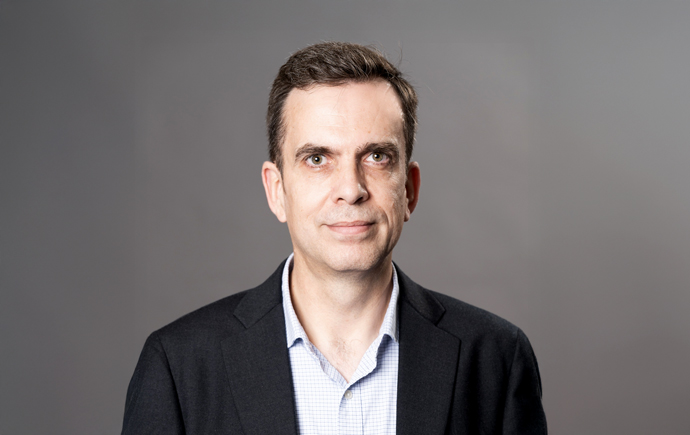
Bernard Lineham
Group Manager, Operations and Planning
Bernard Lineham is the Interim Group Manager for Operations and Planning at the Faculty of IT. He brings more than 20 years’ leadership experience in the university sector, with expertise in providing strategic direction across operations, aligning resources to strategy, and enabling teams to deliver high-quality services in complex, technologically demanding environments.
He joins the faculty from Monash eSolutions, where he served as IT Service Centre Manager for over 11 years. Prior to Monash, Bernard held roles at the Australian National University, UNSW and the Australian Air Force Cadets. He holds a Bachelor of Laws from the University of Canberra.

Professor Enes Makalic
Associate Dean (Learning and Teaching)
A passionate theoretical computer scientist, Professor Enes Makalic brings 15 years of interdisciplinary research and teaching experience to the Faculty.
He earned his Bachelor of Computer Science (Honours) in 2002 and his PhD in Machine Learning in 2007, both from Monash University. Since then he has pursued research in Bayesian inference, information-theoretic statistics and digital health.
Committed to delivering quality education, he has also developed and coordinated courses in computer science, biostatistics, survival analysis and machine learning. He also regularly supervises Honours, Masters and PhD students.

Professor Helen Purchase
Head of Department, Human-Centred Computing
Prior to joining Monash in 2022, Professor Purchase was part of the Glasgow Interactive Systems Group in the School of Computing Science at the University of Glasgow for more than 20 years.
Working in Information Visualisation, her research focuses on graphs and graph drawing and empirical methods for assessing the quality of visualisations. She has also worked on image and webpage complexity, infographics and Euler diagrams.
Professor Purchase also has a strong track record and interest in educational technologies and collaborative learning, which she brings to her Head of Department role.
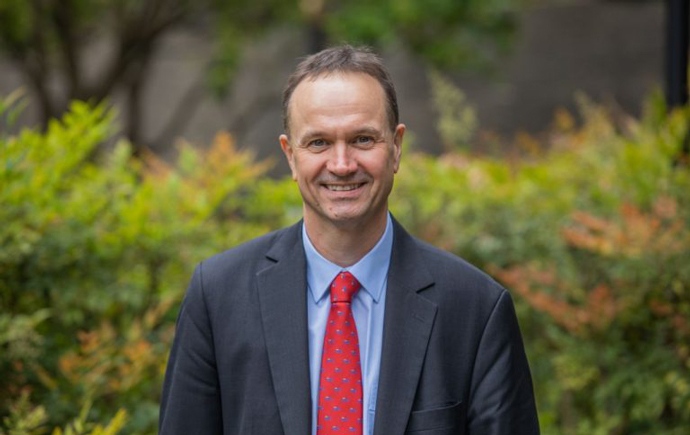
Professor Ian Burnett
Interim Dean
Professor Burnett is the Interim Dean of the Faculty of IT, providing strategic leadership to advance the faculty’s mission of delivering excellent IT research and education for social good.
A highly regarded researcher in speech, audio and multimedia signal processing, Professor Burnett is passionate about the broader role STEM disciplines play in addressing complex global challenges, and their application across areas including health, transport and the environment.
His research began in speech compression and expanded into audio processing and spatial audio for conferencing and virtual environments. He has published more than 210 refereed conference and journal papers and is an inventor on a series of related patents. He also remains active in Australian and international standards in information technology.
Before joining Monash, Professor Burnett held senior leadership roles across the higher education sector. Most recently, he was Senior Advisor Cloudcampus and Acting Provost at AEMG Education, where he led a major upgrade to a bespoke “cloud campus” platform supporting transnational education for 17,000 students, designed to meet TEQSA/ASQA requirements and scale with rapid growth.
He previously served as Deputy Vice-Chancellor STEM College and Vice-President at RMIT University, overseeing international growth through programs in Vietnam, India and Hong Kong, and spent eight years as Dean of the Faculty of Engineering and Information Technology at the University of Technology Sydney, where he fostered innovative and inclusive environments and led significant growth in the faculty’s rankings and performance.
Professor Burnett holds a PhD, Master of Engineering and Bachelor of Science in Electrical and Electronic Engineering from the University of Bath. He is a Fellow of Engineers Australia, a Graduate of the Australian Institute of Company Directors (GAICD), and a former President of the Australian Council of Engineering Deans (2019–2021).
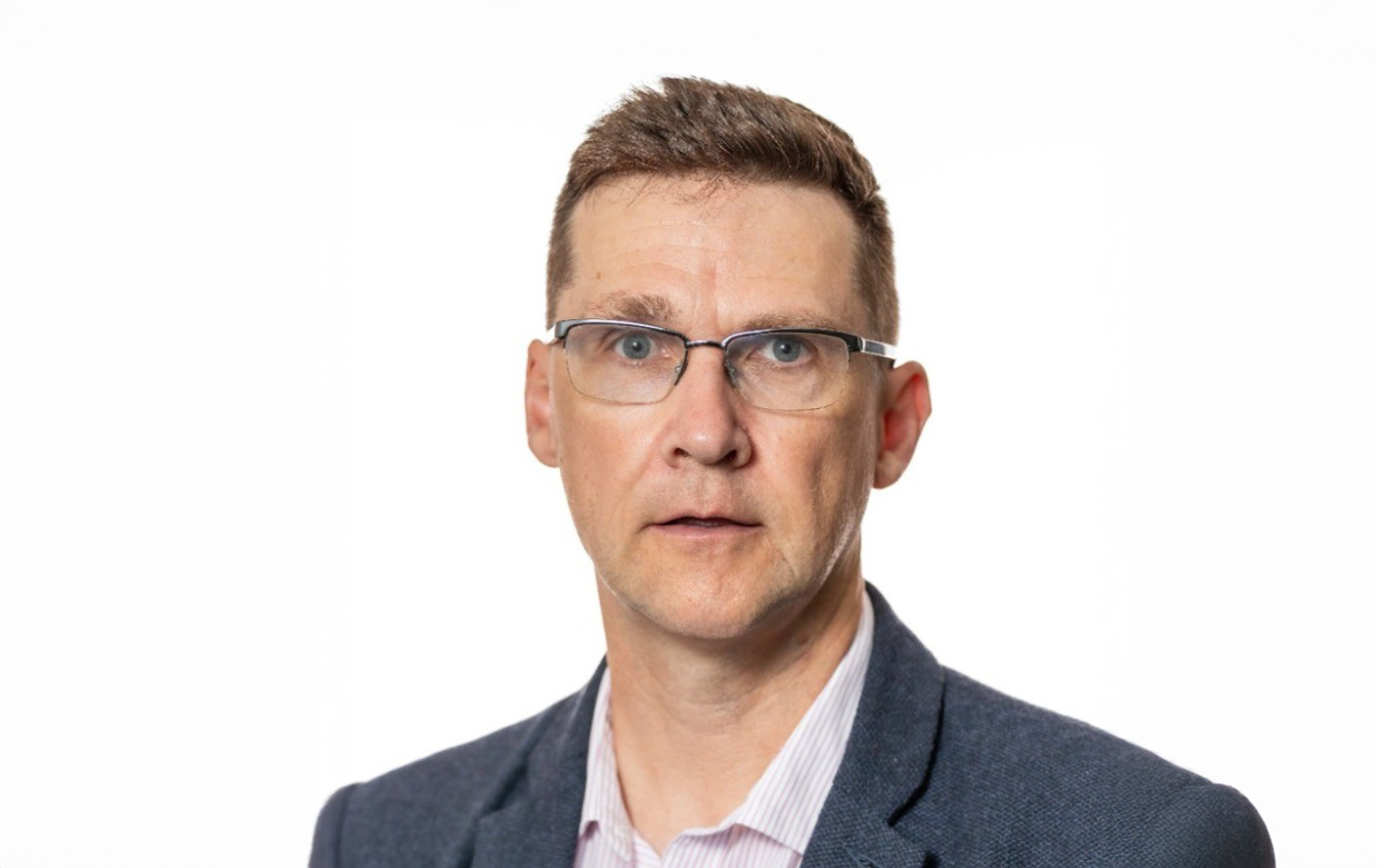
Professor James Bailey
Head of Department, Data Science and Artificial Intelligence
Professor Bailey leads the Faculty’s Department of Data Science and Artificial Intelligence, providing strategic leadership across the department’s teaching, research and industry engagement.
Before joining Monash, he held senior leadership roles at the University of Melbourne, including Associate Dean for the Melbourne School of Graduate Research, Assistant Dean (Research Training) for the Melbourne School of Engineering, Program Lead for the Artificial Intelligence Platform in the Faculty of Engineering and IT, and Founder and Director of the Master of Applied Data Analytics.
An experienced educator, Professor Bailey has supervised and taught more than 55 PhD candidates, 8 Masters by Research students, 16 Research Fellows, and numerous Teaching and Research academic staff and undergraduate students.
His research applies AI across domains including health, space and energy, supported by major grants from the Australian Research Council, National Health and Medical Research Council, Office for National Intelligence, and entities related to government, defence and industry. He is also a former ARC Future Fellow.
With a h-index of 61, Professor Bailey has authored over 94 journal papers and 190 referred conference papers attracting more than 24,200 citations, with his work recognised by numerous best paper awards. In 2022, Stanford University ranked him among the top 2% most-cited scientists across 22 scientific fields.
Professor Bailey also contributes to the broader AI community through board and committee roles, including co-chairing leading conferences such as ACM SIGKDD.
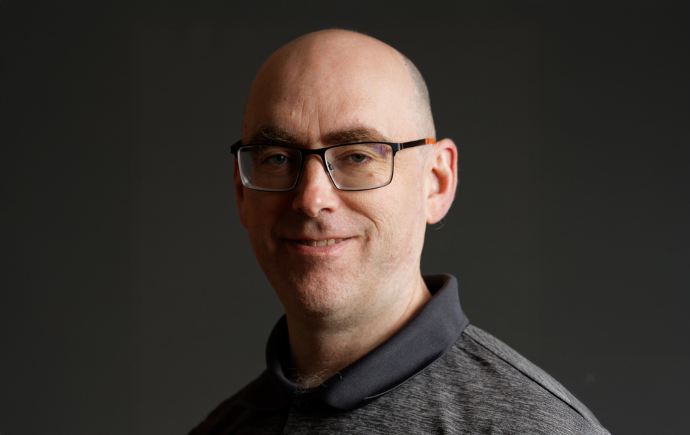
Associate Professor James Boorman
Pacific Lead
Associate Professor Boorman is Co-Director of the Information Empowered Communities Lab and a Chief Investigator for the Post-Quantum Cryptography in the Indo-Pacific program. In addition to co-supervising numerous PhD students, he also the co-supervised Policy Change Studio students from Stanford University and Industry Based Learning cybersecurity students in the Australian Government.
For more than 20 years he has worked in research, information security management and international development at University College London, University of Cambridge and UK NHS. He was also the Chief Information Officer and Chief Information Security Officer in the Australian Government, and the Head of Research and Capacity Building at the not-for-profit Oceania Cybersecurity Centre (OCSC).
While at the OCSC, James established and led the Cybersecurity Capacity Maturity Model for Nations (CMM) and Roadmap program in the Pacific, in collaboration with Monash and the Global Cyber Security Capacity Centre (GCSCC) at the University of Oxford. Notably he was also part of the team that co-designed the first Pacific government regional dialogue with the Partners in the Blue Pacific (PBP) governments of Australia, Canada, Japan, Germany, New Zealand, the Republic of Korea, UK and the USA.
Associate Professor Boorman is a world recognised expert and trusted advisor on cybersecurity in the Pacific, regularly invited to speak on international panels, at workshops, and attend drills. He has been invited by 10 Pacific Island governments to provide advice to inform national cyber policy and strategy, leading national cyber reviews using the CMM. James has also been invited to co-develop national cyber roadmaps for the Federated States of Micronesia and Nauru.
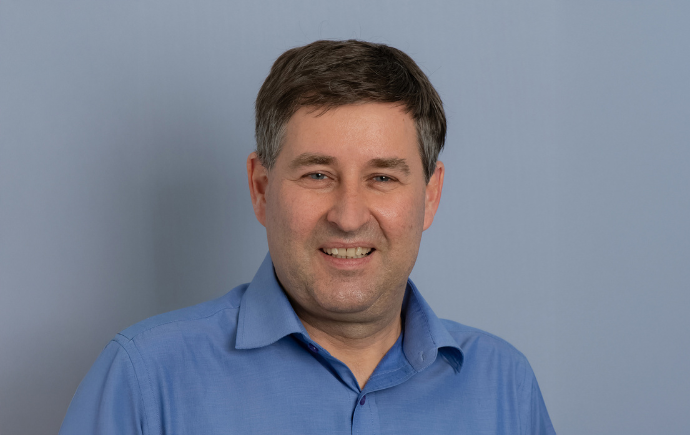
Professor Jean-Guy Schneider
Deputy Dean (Education)
Professor Schneider has exemplified his leadership capabilities in diverse executive roles across Swinburne and Deakin, including Associate Dean (Research & Development), Director Teaching & Learning, Academic Director of Industry Capstone and Deputy Head.
Also an experienced, committed educator, he has received a Deakin VC’s Education Excellence Award with his team, co-authored publications in teaching, learning and curriculum development, and supervised PhD candidates across Computer Science and Software Engineering education.
Focused on component technologies and user-centred approaches, Professor Schneider’s research centres on reliable software technologies. He has published over 100 fully peer-reviewed publications, attracted $3.2M+ in competitive research funding – including three ARC Linkage grants – and is a Chief Investigator on the ARC Research Hub for Digital Enhanced Living.
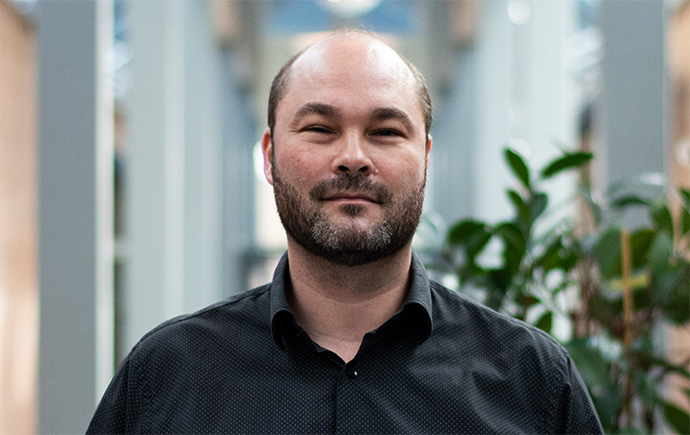
Professor Jesper Kjeldskov
Deputy Dean (Research)
In his exemplary career history, Professor Kjeldskov has been Data61's Research Director of Cyber-Physical Systems and Head of Aalborg University’s Department of Computer Science in Denmark where he also successfully co-developed a successful research group in Human-Centred Computing.
With expertise that stands out on a global stage, Professor Kjeldskov has attracted over $15M in funding. His background blends humanities, social sciences and computer science, with interests spanning interaction design and user experience for mobile computing, AI-based devices, and telepresence.
To date, Professor Kjeldskov has contributed to more than 200 publications which have attracted over 6000 citations.
On the education side, Professor Kjeldskov delivered over 80 undergraduate and postgraduate subjects at Aalborg University, and was integral to the design and establishment of several programs in Interaction Design – among other disciplines.
Professor John Grundy
Senior Deputy Dean (Strategy & Operations)
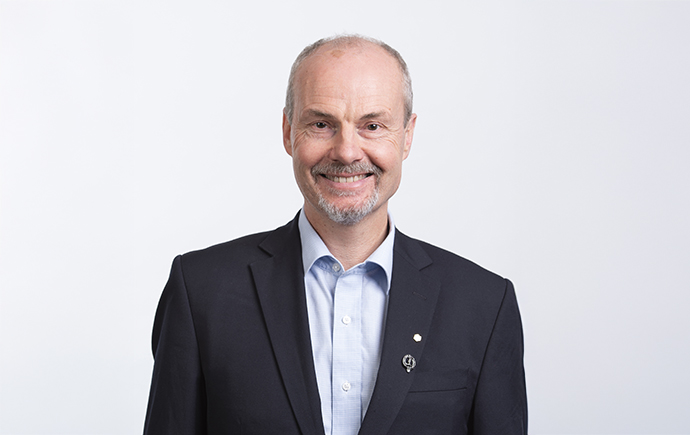
Professor John Grundy is the Senior Deputy Dean (Strategy & Operations) in the Faculty of IT at Monash University. He leads the Faculty’s operational academic initiatives and strategic partnerships, with a focus on projects that span research and education. He also represents the Dean when required, including serving as Acting Dean.
An globally recognised authority in software engineering, Professor Grundy is an Australian Laureate Fellow and a Professor of Software Engineering. He is also a Fellow of Automated Software Engineering, Fellow of Engineers Australia, Certified Professional Engineer, Engineering Executive, Member of the ACM and Senior Member of the IEEE.
Through his five-year Laureate Fellowship, he established the HumaniSE Lab to drive research that focuses on embedding human-centric principles into software systems design. The Lab has addressed key issues in accessibility, usability, emotional design and cultural responsiveness, advancing the development of more inclusive, effective software engineering methods and tools.
Before joining Monash, he held senior roles at Deakin University, including Pro Vice-Chancellor ICT Innovation and Translation and Alfred Deakin Professor. At Swinburne University of Technology, he served as Dean of the School of Software and Electrical Engineering, Director of the SUCCESS research centre, Head of Computer Science and Software Engineering and Deputy Dean of the former Faculty of ICT. Earlier, he was Head of the Department of Electrical and Computer Engineering at the University of Auckland.
Professor Grundy has also worked with industry, consulting for organisations such as Unisono, Mailguard, Thales Australia, CA Labs, XSol Ltd, Orion Health Ltd, Peace Software Ltd, and Whitecloud Systems Ltd. From 2014 to 2017, he was a Senior Principal Researcher with Data61.
He holds BSc (Hons), MSc, and PhD degrees in Computer Science from the University of Auckland.
Professor Juliana Sutanto
Associate Dean (International)
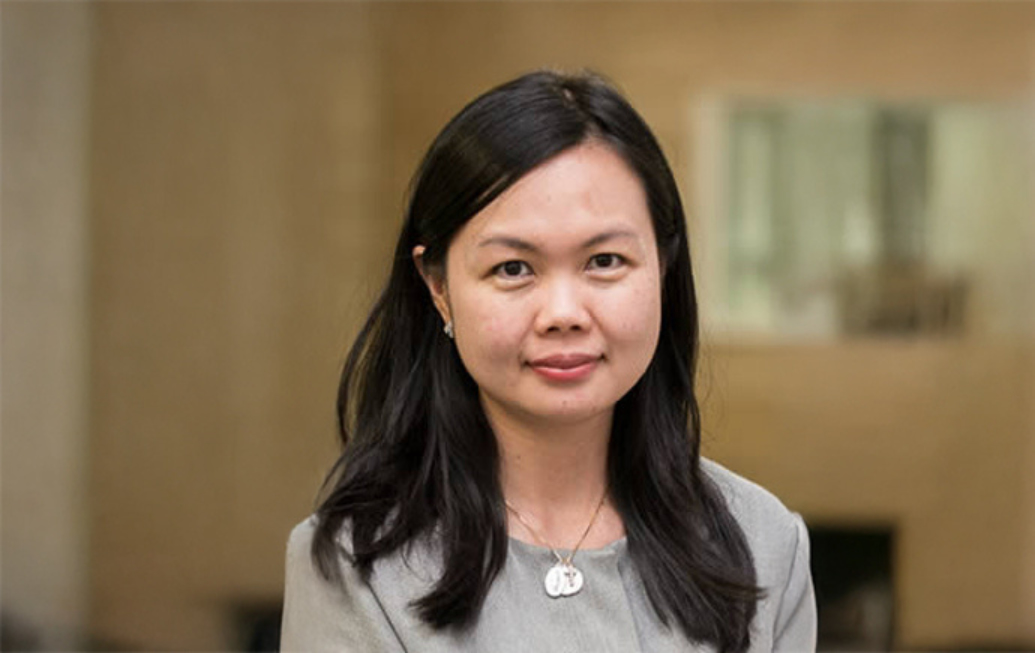
Professor Juliana Sutanto has been with the Faculty since 2023, where she has led the Digital Transformation Group in the Department of Human-Centred Computing, and served as the Faculty’s Indonesia Lead.
Her research expertise encompasses system design, user behavioral analysis and data management. She has been recognised for her contributions to the field, including receiving the INFORMS Information Systems Society Design Science Award for her work on privacy-safe design.
After obtaining her PhD in 2008 from the School of Computing at the National University of Singapore, Professor Sutanto joined ETH Zurich in Switzerland as Chair of Management Information Systems. In August 2015, she moved to Lancaster University as a Professor in Information Systems.
Kerrie Weippert-Rowe
Faculty General Manager
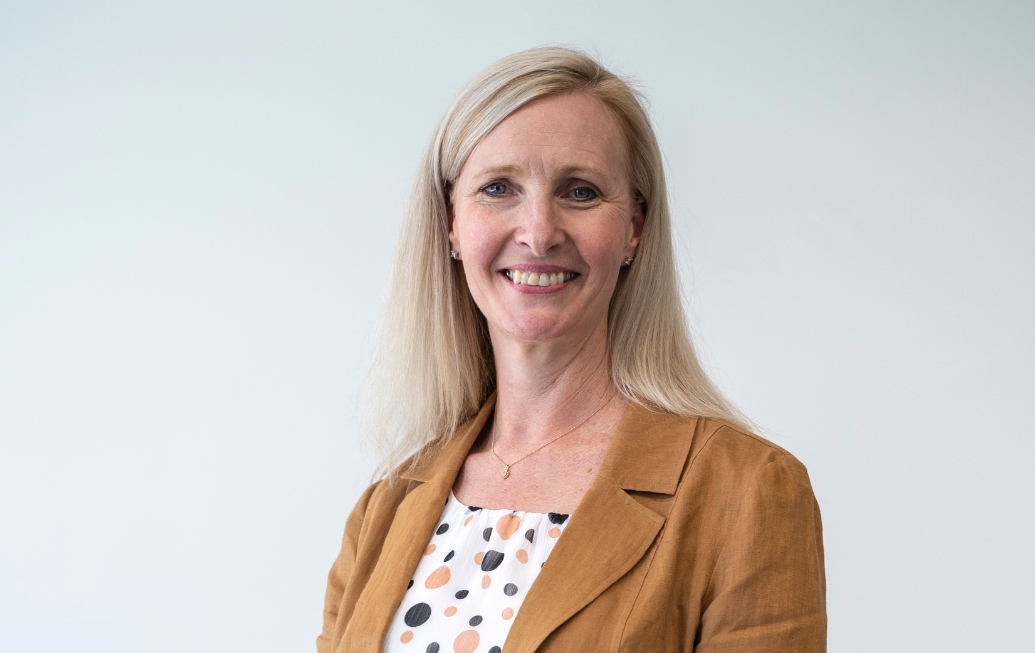
Kerrie is an accomplished Faculty General Manager (FGM), Chief Finance and Operation Officer with more than 25 years’ experience in higher education, state and local government, and industry.
Notably, before joining Monash Faculty of IT she served as the Business and Operations Director of the British School Jakarta, a premier international institution.
Throughout her career, she has been very successful in managing and motivating high-performing teams across a variety of business, administrative and operational functions – and has driven a number of high-impact projects and million-dollar investments.
Further, during her time as FGM for Monash Law, she delivered a new vision and direction helping drive cultural change programs leading to the highest quality academic and research programs.
An MBA, a certified Prosci Change Management Professional and the highest-ranking CPA Australia Fellow, Kerrie has proven capabilities overseeing budgets of AU$600M+ and managing hundreds of people to achieve organisational goals.
Associate Professor Matthew Butler
Associate Dean (Graduate Research)
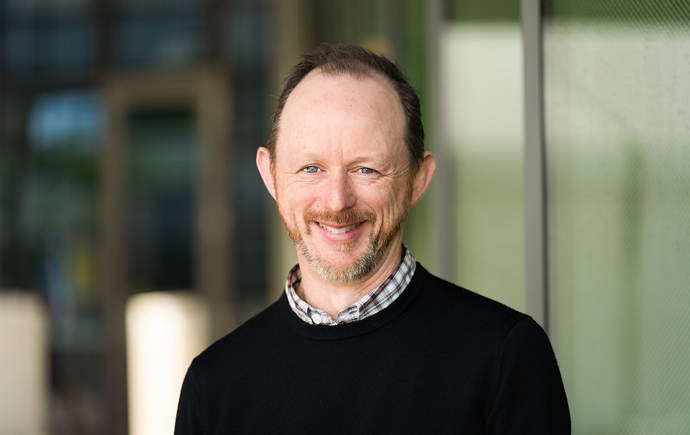
Associate Professor Matthew Butler is the Associate Dean (Graduate Research) in the Faculty of IT at Monash University.
In this role, he leads the faculty’s Higher Degree Research (HDR) portfolio, overseeing graduate research strategy, governance and quality, and supporting a strong HDR experience from timely completions to high-quality research outcomes.
A longstanding advocate for using technology for social good, Associate Professor Butler also serves as Deputy Head of the Department of Human-Centred Computing and as Education Pillar co-lead at the Monash Assistive Technology and Society Centre.
His research focuses on inclusive technologies, particularly improving access to visual information for people who are blind or have low vision. He explores the use of emerging tools such as 3D printing and conversational agents to create multi-sensory, accessible experiences across domains including education, data interaction, mobility and the arts.
A Senior Fellow of the Higher Education Academy, Associate Professor Butler brings more than two decades of teaching and research experience to Monash. He is also a Monash alumnus, holding a PhD in Computing Education, a Graduate Certificate in Higher Education and a Bachelor of Engineering.
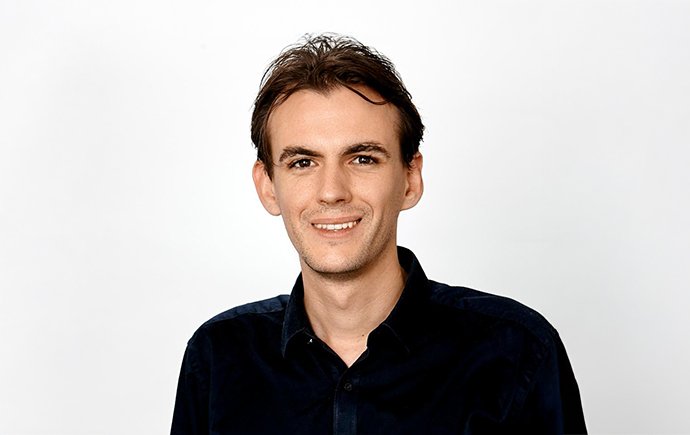
Associate Professor Michael Wybrow
Associate Dean (Engagement and Impact)
Associate Professor Michael Wybrow is the Associate Dean (Engagement and Impact) in the Faculty of IT at Monash University. He leads the Faculty’s strategic engagement efforts and manages key external partnerships to maximise real-world impact.
A leader in data visualisation, Associate Professor Wybrow has attracted more than $2.25 million in combined competitive and industry research funding. He is known for his work in high-quality connector routing, interactive constraint-based network layout and the explainability of optimisation systems.
His software is widely used in academia and industry, and he has led several successful commercial research collaborations, including a multi-year, high-value partnership with Woodside Energy on optimal chemical process plant layout.
Since 2019, he has served as Director of Work-Integrated Learning in the Faculty, overseeing the prestigious Industry-based Learning program and various Industry Experience units.
Earlier in 2014, he joined the Faculty as a lecturer and was tasked with designing and delivering ENG1003, a large-scale first-year programming and software engineering unit for Engineering students across Monash’s Clayton and Malaysia campuses. He was awarded Best Paper Award at IEEE InfoVis the following year.
Associate Professor Wybrow began his Monash career as a Research Fellow in 2009, earning the Vice-Chancellor’s Commendation for Doctoral Thesis Excellence and later receiving the Faculty’s Dean’s Award for Excellence in Research by Early Career Researchers. From 2011 to 2014, he held an ARC Discovery Project Fellowship focusing on flexible user-guided network layouts for biomedical applications.
He is a regular reviewer for leading conferences and journals and has been invited to six Schloss Dagstuhl seminars. He also routinely serves on the program committee for IEEE VIS, the premier conference in visualisation.
Associate Professor Wybrow received his PhD in Computer Science from Monash in 2008. His thesis was awarded the CORE Association’s prize for the best Australasian Computer Science thesis that year.
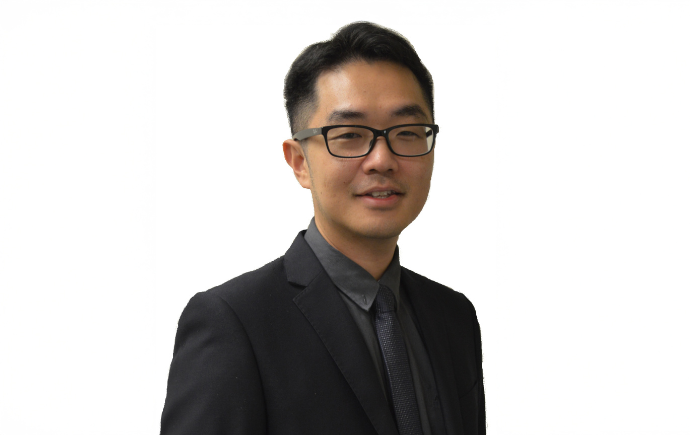
Professor Ir Raphaël Phan
Deputy Head of School IT, Malaysia
Professor Phan specialises in security, cryptography and malicious AI. He has published over 90 journal papers and over 120 conference papers.
He was the principal investigator for a project on privacy-preserving data mining funded by the UK government and UK Ministry of Defence, and recently led projects with funding in excess of RM3 million from the Malaysian government and industry.
Not only was he Deputy Director of the School of IT in Malaysia, Professor Phan has also been General Chair for Mycrypt 2005 and Asiacrypt 2007, and Technical Program Chair for Mycrypt 2016. He is regularly invited to serve on technical programme committees of internationally-leading security conferences and has served in over 100 TPCs.
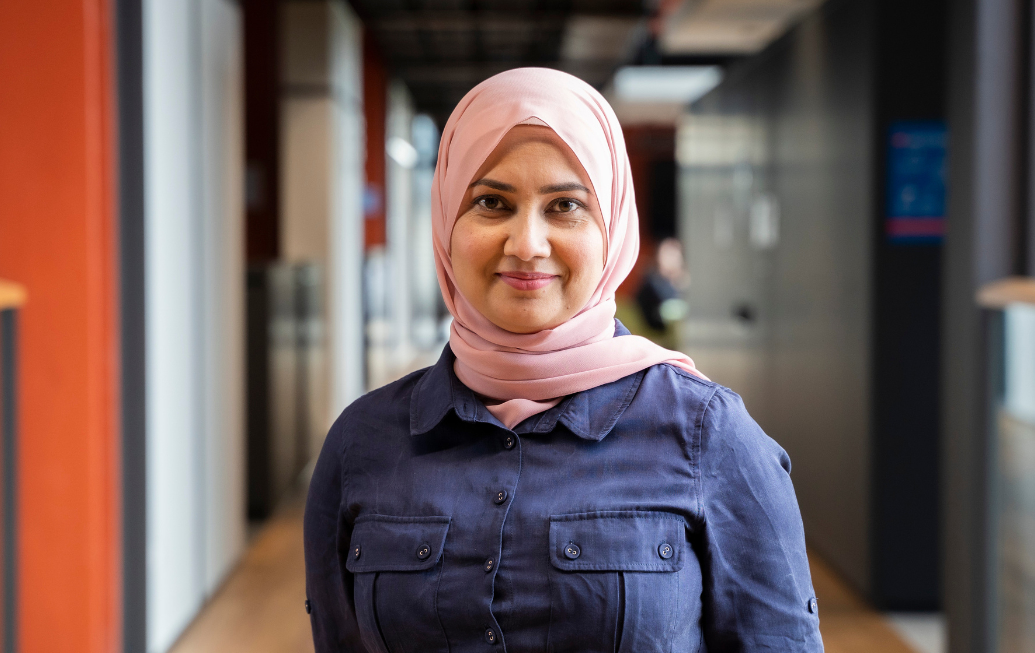
Professor Rashina Hoda
Associate Dean (Equity, Diversity and Inclusion)
Professor Hoda is a world-leading researcher, an award-winning educator, an inspirational speaker and a passionate champion of girls and women in STEM.
As the faculty’s Associate Dean (Equity, Diversity and Inclusion), she chairs the EDI Committee and leads the delivery and ongoing development of the faculty’s EDI Strategic Plan, bringing a strong intersectional lens to the portfolio.
She is also Deputy Director of the HumaniSE Lab, with more than 15 years’ experience in agile software engineering approaches that prioritise human factors. Her recent book, ‘Qualitative Research with Socio-Technical Grounded Theory’, presents a contemporary socio-technical variation of Grounded Theory methods.
In 2025, she was named The Australian’s Top Researcher in Software Systems, and in 2021 was selected as one of Australia’s 60 Superstars of STEM – a prestigious role that elevated her advocacy of women in STEM. She also delivered a TEDxAuckland talk in 2019 on ‘Agile Nations’, exploring how countries respond to crises.
Professor Hoda actively serves the international software engineering research community as associate editor of the IEEE Transactions on Software Engineering. She is also co-chair for the Workshops track of International Conference on Software Engineering (ICSE 2024) and co-chair of Diversity and Inclusion at the Foundations on Software Engineering (FSE 2024).
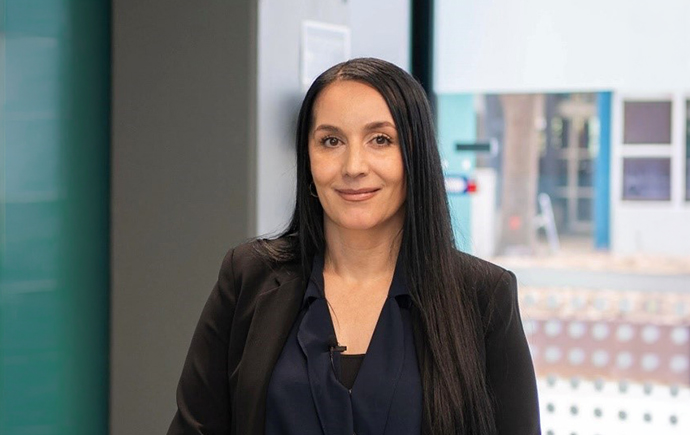
Dr Rebecca Lyons
Associate Dean (Indigenous)
Dr Lyons is a proud Wiradjuri / Ngiyampaa / Ngunnawal woman and the faculty’s Associate Dean (Indigenous). In this role, she leads the faculty’s Indigenous Strategic Plan to advance outcomes for First Nations peoples through education, research and engagement.
Her interdisciplinary expertise spans information systems, archival studies, Indigenous sovereignty and socially responsible technology. She is also the CoChair of the iSchools Indigenous Research Collective.
A key member of the Indigenous Data Sovereignty and Living Archives on Country research program, Dr Lyons’ research focuses on addressing who controls, governs and benefits from data about Indigenous peoples, communities, lands and cultures. This work includes co-designing models, protocols and technologies for community-controlled archives and records grounded in Indigenous place and identity.
Currently, she is contributing to The Charter of Lifelong Rights in Childhood Recordkeeping in Out-of-Home Care, which addresses the lifelong recordkeeping needs of children and young people in care and supports improved access to records for Care Leavers and the Stolen Generations.
Committed to advancing Indigenous knowledge systems and decolonising research methodologies, her doctoral research, ‘Challenges to Aboriginal Identity Construction in Australia: Stolen Generations Responses to the Absence of Identity Documents’, highlighted the significant barriers many Aboriginal and Torres Strait Islander people face in accessing primary identification documents, particularly birth certificates, due to historical structural and administrative violence.

Professor Shonali Krishwaswamy
Associate Dean (Innovation)
Professor Shonali Krishnaswamy is a leading expert in AI, data science and tech commercialisation with over 20 years of experience across academia, research and industry.
She co-founded AiDA Technologies, an award-winning AI company acquired by Amplify Health in 2023, where she developed SMART CLAIMS, an AI-driven health insurance claims solution now processing 75 per cent of individual life health claims in Singapore.
Previously, she was Head of Data Analytics at A*STAR, Singapore, leading a 70-person R&D team on industry collaborations across finance, healthcare and aerospace. She has secured AUD 6.5 million in research funding and received multiple accolades, including an ARC Australian Postdoctoral Fellowship and recognition as one of Asia’s Top 50 Women Technology Leaders (2024).
A Monash alumna, she holds a PhD in Computing and has held academic roles at Monash and Swinburne.