Monash Engineering hosts 21st International CDIO Conference in Melbourne
Monash University’s Faculty of Engineering had the honour of hosting the 21st International CDIO Conference at the Monash College campus in Melbourne. The CDIO (Conceive – Design – Implement – Operate) framework, originally developed by MIT and leading European engineering schools, provides a globally recognised model for engineering education. Bringing together delegates from around the world, this year’s conference focused on forging connections and cultivating synergies for a sustainable future.
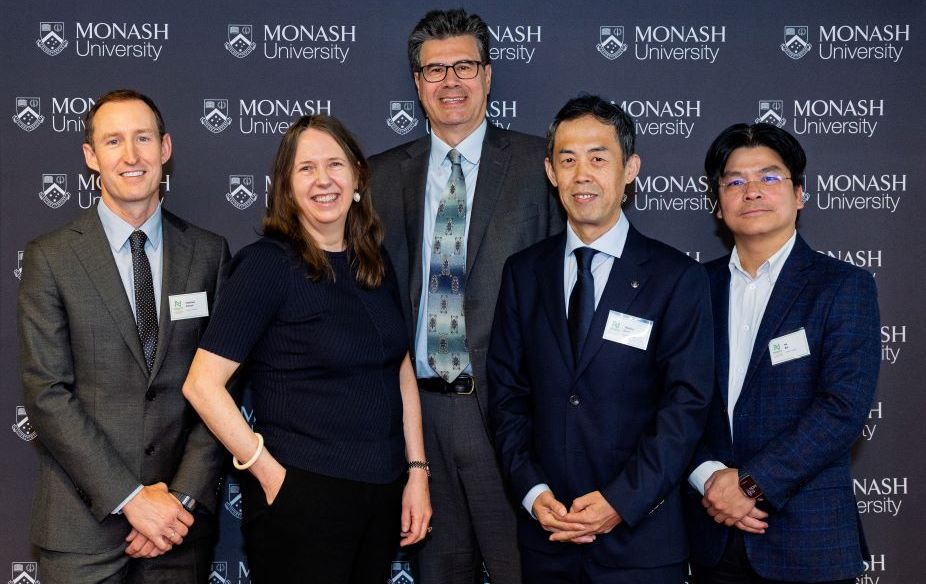
The event was opened with a welcome address by Professor Nicoleta Maynard, CDIO2025 Conference Chair and Associate Dean Equity, Diversity and Inclusion, and Professor Yiannis Ventikos, Dean of Engineering at Monash University. Professor Ventikos emphasised the importance of international collaboration in shaping the future of engineering education.
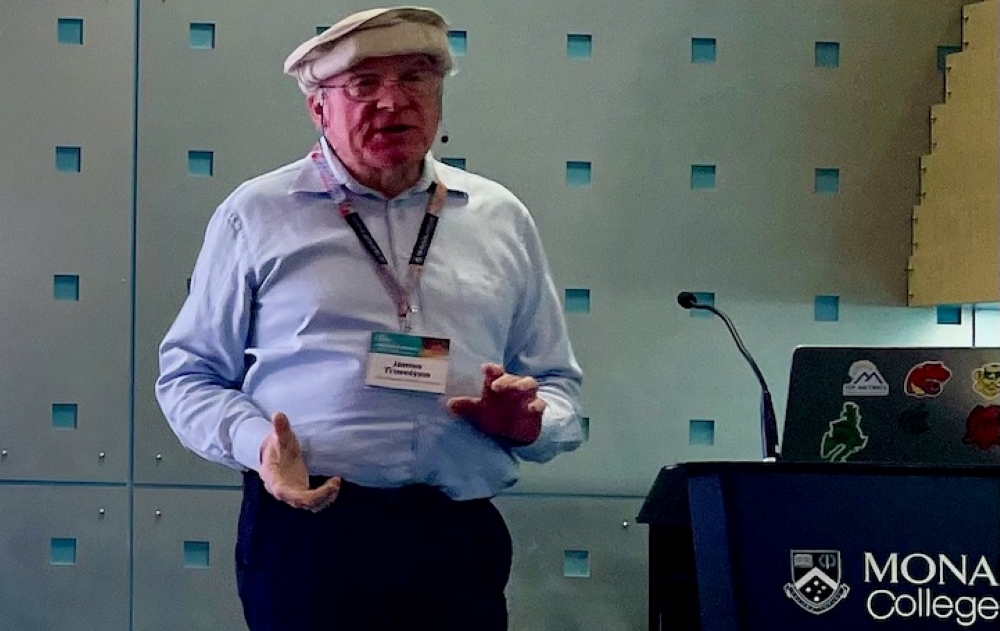
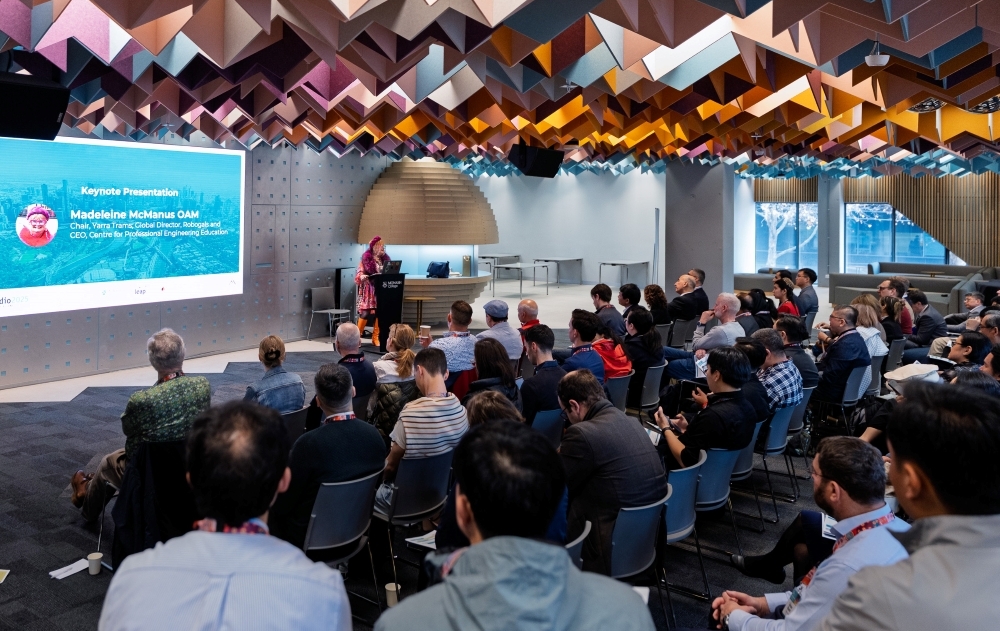
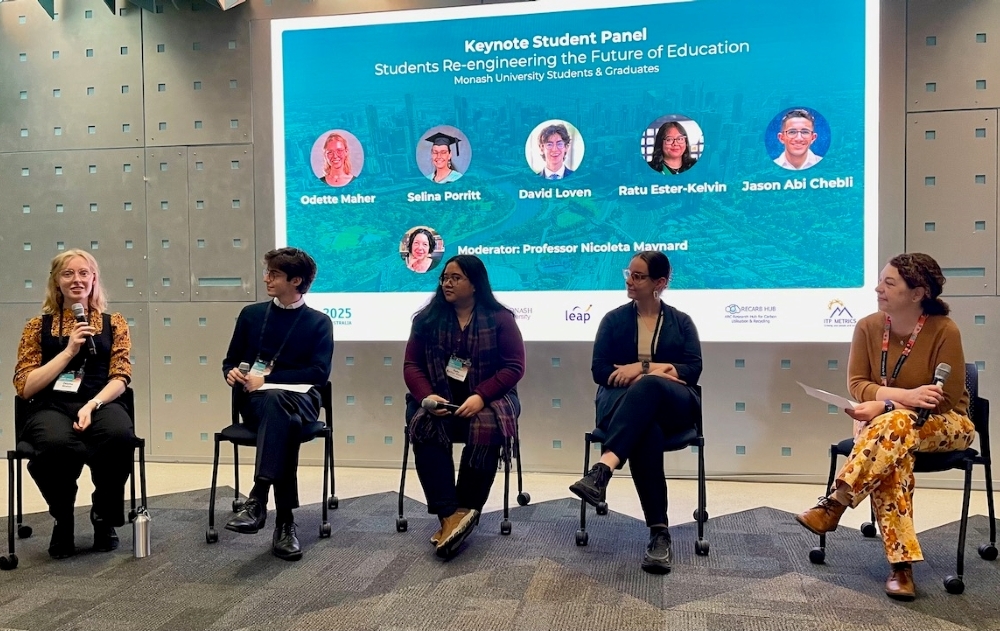
The conference featured a series of inspiring keynote presentations. Madeleine McManus OAM, Chair of Yarra Trams and CEO of the Centre for Professional Engineering Education, opened with a compelling address on industry engagement and innovation. Emeritus Professor James Trevelyan, delivered a thought-provoking keynote on the evolution and future of the CDIO framework. A dynamic panel featuring Monash students and recent graduates - Odette Maher, Selina Porritt, David Loven and Ratu Esther-Kelvin - sparked fresh, thought-provoking conversations on reimagining and reshaping the future of engineering education. Prompted with the question, 'If you had a magic wand for education, what would you change?', their bold and insightful responses brought student voices to the forefront of the conference.
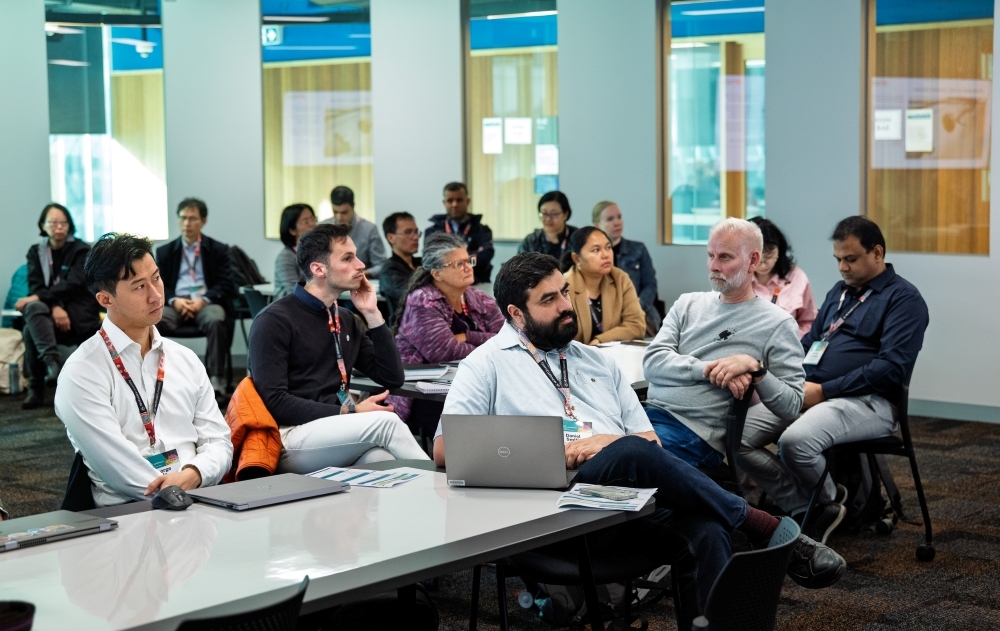
Beyond the keynotes, the conference featured a dynamic program of workshops, roundtable discussions, and interactive sessions. Topics spanned Artificial Intelligence and Emerging Technologies, Sustainability in Engineering Education, Industry Collaboration, and Transdisciplinary Approaches. Delegates also explored inclusive and ethical practices under the theme From Inclusion to Integrity, alongside sessions on learning environments, educational innovation, and strategies to support educator development.
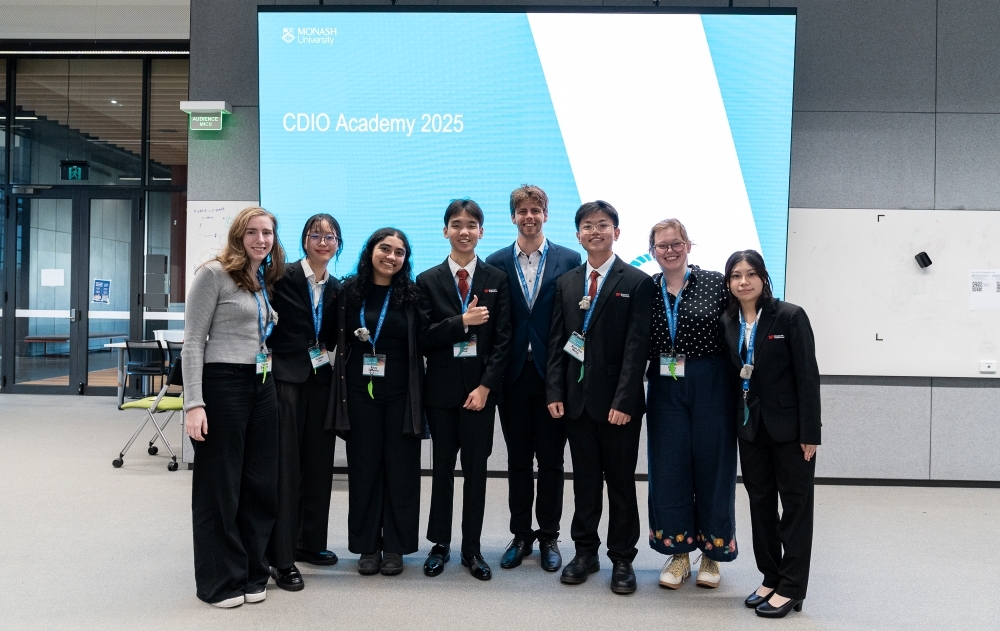
A highlight of the week was the CDIO Academy, an international student design challenge sponsored by the RECARB Hub and led by Dr. Joanne Tanner. Students from Monash and Singapore collaborated within small teams to design and prototype carbon capture modules, working from the Design and Build Studios at Monash University’s Clayton Campus. Teams presented their innovative designs and prototypes to conference delegates at the conclusion of the Academy challenge.
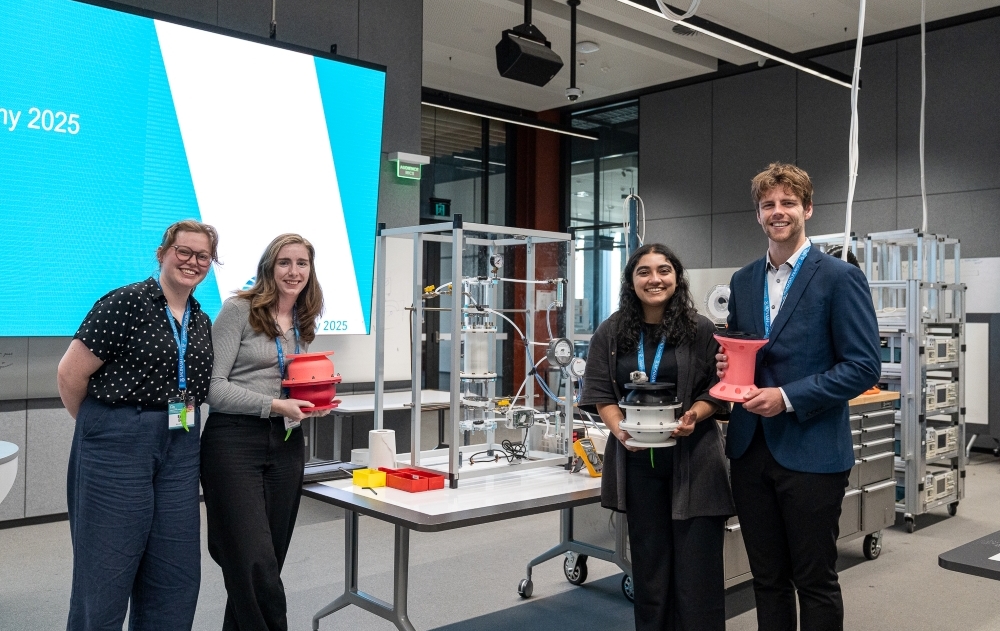
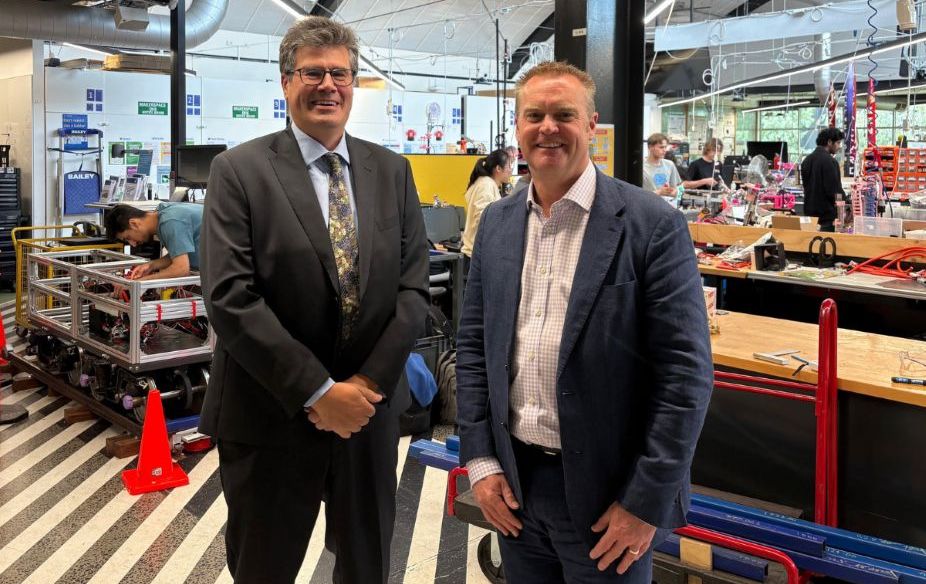
Delegates toured Monash Engineering’s state-of-the-art teaching and research spaces including the Monash Makerspace Network and Innovation Labs, gaining first hand insight into the facilities that support Monash’s pioneering approach to engineering education.
The successful delivery of the conference was made possible by the dedicated work of the Conference Committee - Tony Vo, Callum Kimpton, Colin Caprani, Joanne Tanner, Michael Crocco, Alexander Gregg, Andrew Rodda - whose vision and effort ensured a truly meaningful and inclusive event.
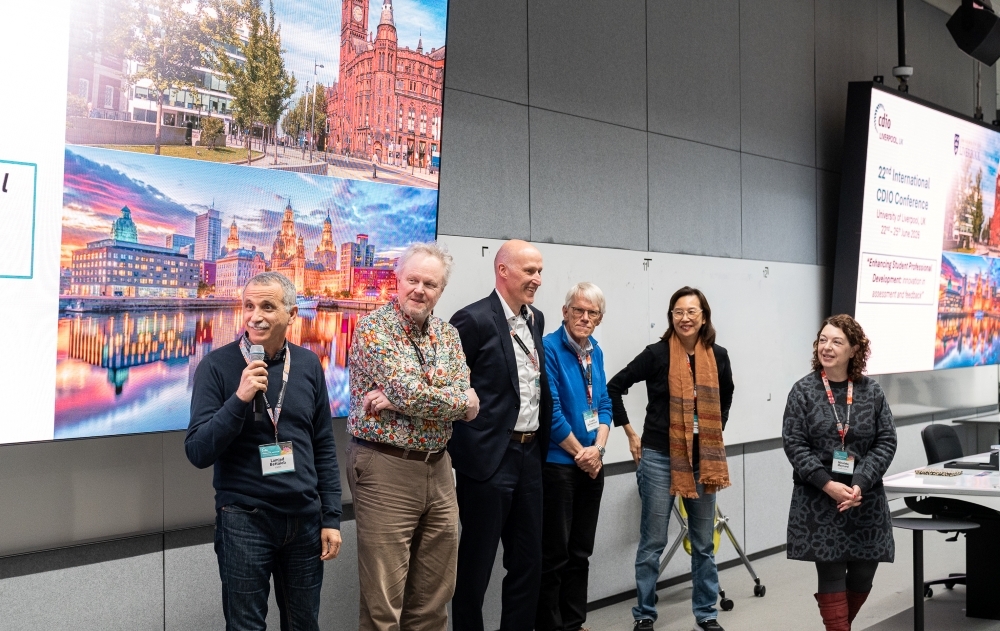
During the week, Professor Nicoleta Maynard, was also confirmed as the new CDIO International Co-Director, alongside Professor Juha Kontio from Turku University of Applied Science, Finland. The appointment reflected the strong support from the CDIO community and the value placed on Professor Maynard’s ongoing leadership and contributions to CDIO in engineering education.
Reflecting on the event, Professor Maynard shared:
“The positive feedback we received from delegates has been overwhelming. The conference left people inspired, energised, and more connected than ever before. It’s a proud moment for Monash Engineering and a testament to our global leadership in educational innovation.”
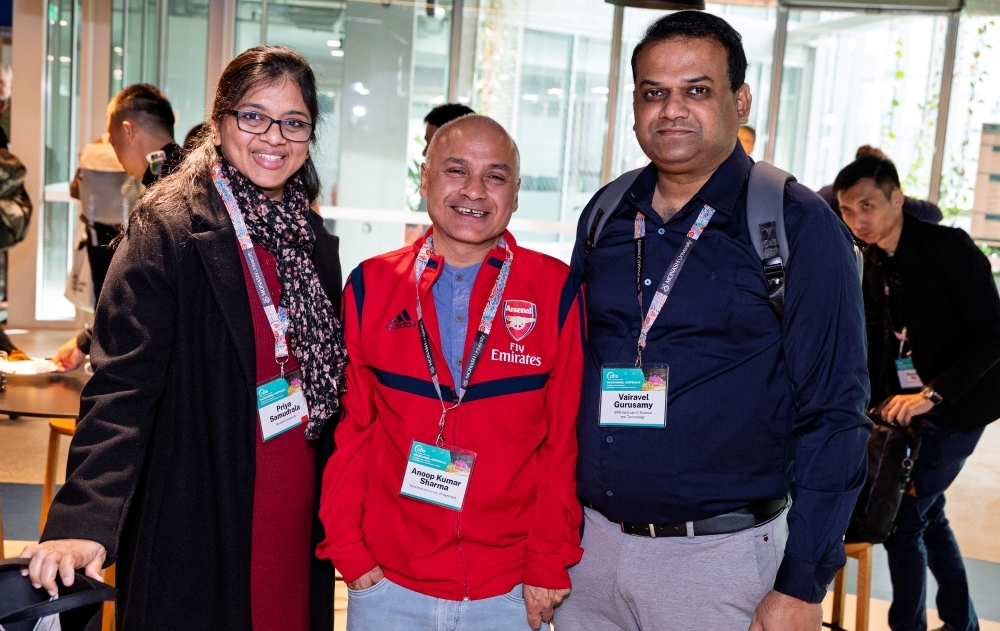
The CDIO2025 conference brought together a global community of educators, students and industry leaders, all driven by a shared commitment to making engineering education more inclusive, collaborative and future-focused.