Vale Emeritus Professor David Vernon Boger AC FAA FTSE FRS
13 November 1939 to 5 July 2025
A Pioneer of Rheology and Chemical Engineering
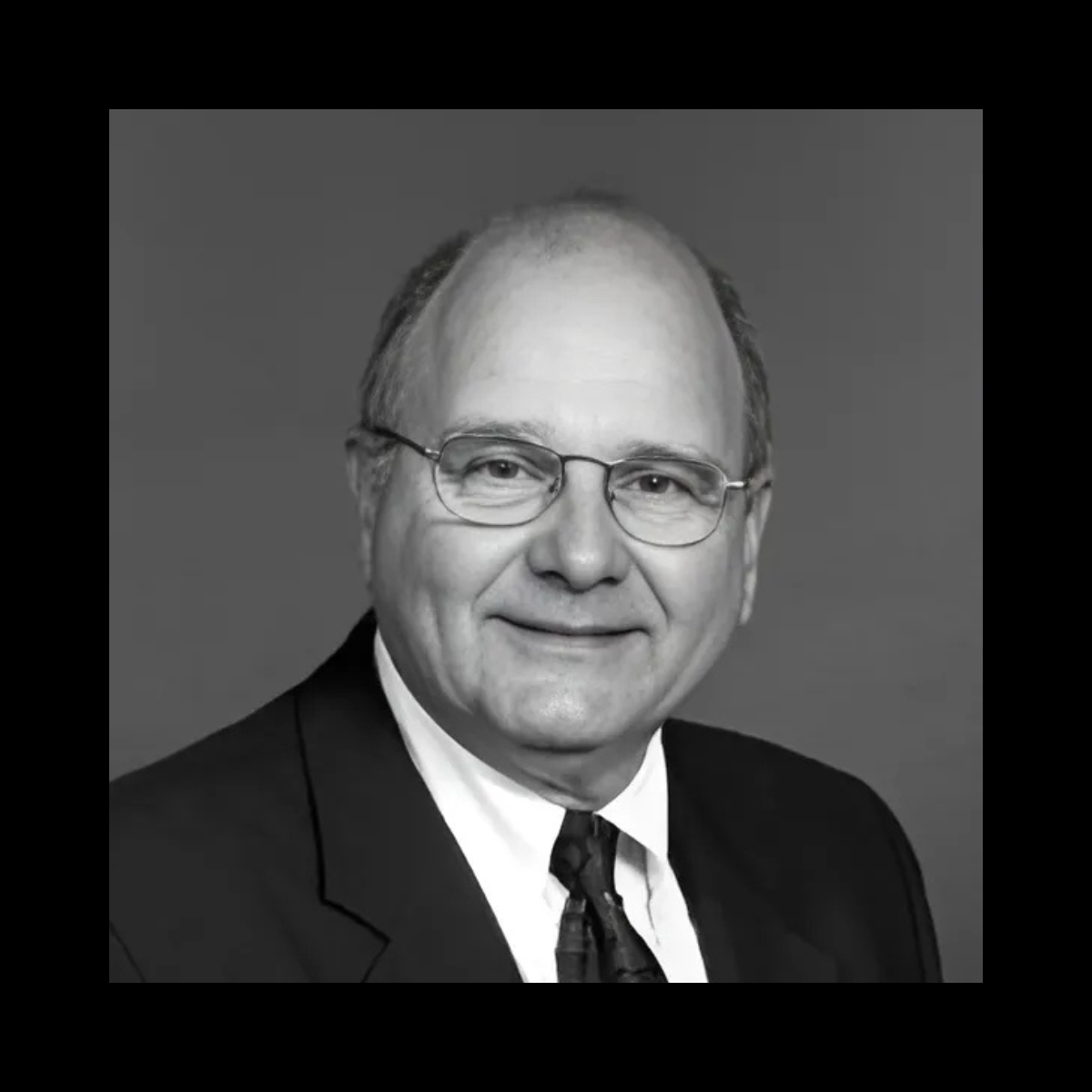
Monash University, the Department of Chemical and Biological Engineering and the global engineering community are saddened at the passing of Emeritus Professor David Vernon Boger AC.
A world-renowned chemical engineer, his ground-breaking work in viscoelastic fluid mechanics led to the discovery of Boger fluids - liquids that are elastic yet have constant viscosity. His research not only bridged a critical gap in fluid dynamics but also contributed to more sustainable industrial practices, including waste reduction in the alumina processing industry.
Born in Pennsylvania, USA, Professor Boger completed his Bachelor of Science in Chemical Engineering at Bucknell University, before earning both his Master’s and PhD in Chemical Engineering from the University of Illinois.
In 1965, he moved to Australia where he joined Monash University as a Lecturer in the Department of Chemical Engineering. At Monash, he was promoted to Senior Lecturer in 1971 and to Reader in 1980, establishing himself as a rising figure in fluid mechanics and rheology.
In 1982, he was appointed Professor of Chemical Engineering at the University of Melbourne, where he went on to hold senior leadership roles including Head of Department, Deputy Dean, and Associate Dean (Research) in the Faculty of Engineering.
He also served as Deputy Director of the Advanced Mineral Products Centre and Director of the Particulate Fluids Processing Centre, both Australian Research Council Special Research Centres. In 2009, he was named Emeritus Professor, and was one of the University of Melbourne’s first Laureate Professors.
In a reflection of his enduring connection to Monash, Professor Boger returned to the University in 2010 until his retirement in 2015.
Professor Boger is best known for his discovery of Boger fluids - constant-viscosity elastic liquids - which enabled a deeper understanding of non-Newtonian fluid behaviour. His pioneering experimental work advanced fluid mechanics, particularly in understanding elasticity effects in atomisation, polymer processing, agricultural chemical delivery and the flow of particulate fluids.
His work in applying non-Newtonian fluid mechanics to the alumina and mining industries led to the development of dry disposal techniques, transforming liquid industrial waste into stackable paste. This innovation significantly reduced waste volumes, improved environmental safety and has since been adopted globally. The work was recognised with the Walter Ahlström Prize from the Finnish Academies of Technology in 1995, and continues to influence international waste management policy.
Professor Boger’s oeuvre spans more than 350 publications; five co-authored books; several educational films and videos; and collaborations with over 90 companies worldwide. His contributions earned him wide recognition through prestigious fellowships and national and international honours:
- Fellow, Australian Academy of Technology and Engineering (1989)
- Fellow, Royal Society (2007)
- Fellow, Royal Society of Victoria (2007)
- Fellow, Australasian Fluid Mechanics Society (2010)
- Fellow, US Society of Rheology (2016)
- Member, US National Academy of Engineering (2017)
- Bragg Member, Royal Institution of Australia (2009)
He was the recipient of numerous awards:
- Eureka Prize for Environmental Research (1993)
- Matthew Flinders Medal and Lecture (2000)
- Centenary Medal (2001)
- Prime Minister’s Prize for Science (2005)
- Companion of the Order of Australia (AC) (2024)
Beyond his research and leadership, Professor Boger played a vital role in shaping the field of rheology. He served as President of the Australian Society of Rheology and as Australian Delegate to the International Committee on Rheology (ICR) from 1978 to 1983 and again from 1990 to 2004.
Emeritus Professor Boger was a visionary scientist, generous mentor and dedicated academic. His work bridged the gap between theory and real-world application, improving lives and shaping environmental practices across the globe. His influence will continue to be felt for decades to come.
He was fittingly remembered by colleagues of the Department of Chemical and Biological Engineering and the wider Monash University community at a memorial service at Monash Clayton campus on 25 July.