You are here:
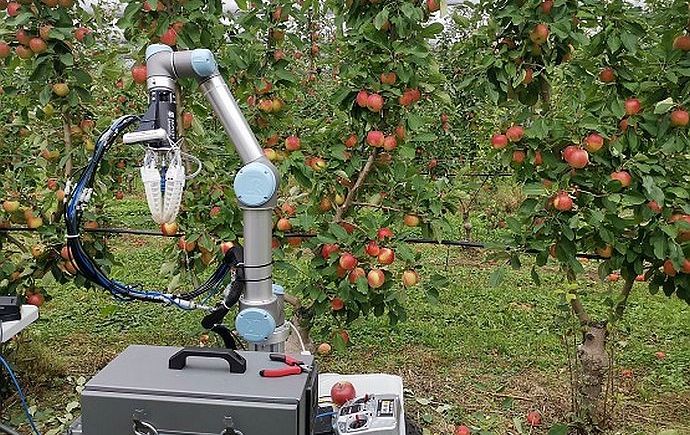
This project aimed to develop a semi-autonomous robotic apple harvesting platform to address the manual labour shortage experienced by local growers during peak harvesting seasons. By integrating Monash University's sophisticated robotic manipulator into a commercially available fruit harvesting platform, the project holds great potential to reduce reliance on seasonal manual labour, ensure consistent and sufficient harvesting capacity, and enhance productivity and sustainability in the Australian agricultural industry.
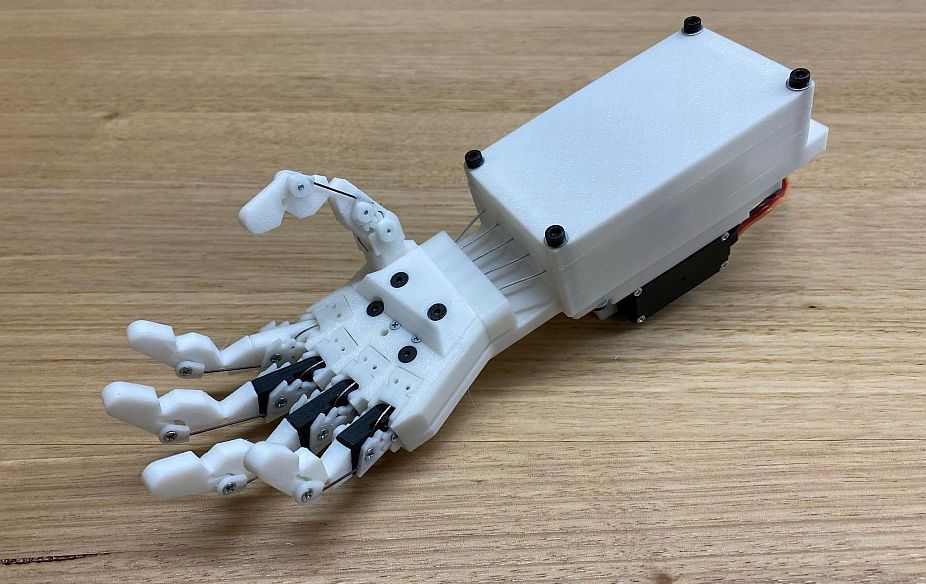
This project aims to fill the gap associated with the absence of suitable hand prostheses for young amputees, by means of creating novel solutions on prosthetic finger design and user intention detection. The new finger design features highly anthropomorphic motion, enhanced grasping force capability, grasping adaptability, and promoted scalability.
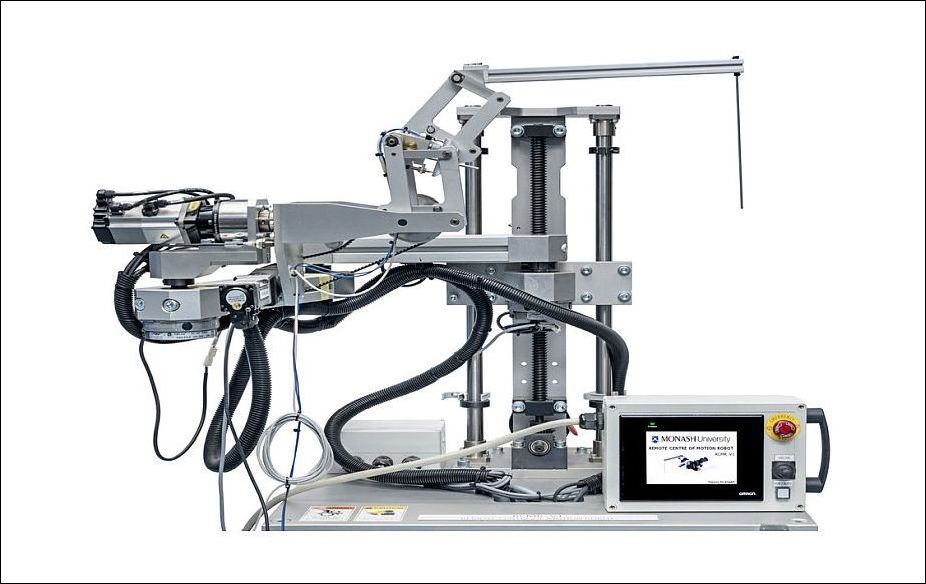
The objective of this project is to create a remote centre of motion mechanism, for use in minimally invasive surgical procedures. The project is motivated by the bulkiness of the existing remote centre of motion mechanism, e.g., the parallelogram.
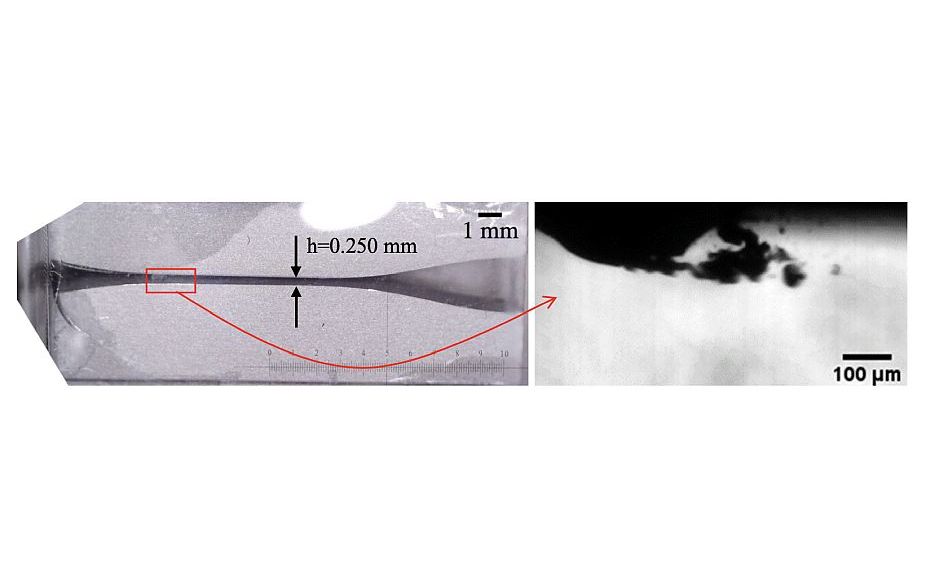
This project aims to investigate the potential of pressure-driven phase change as an energy-efficient mechanism for removing dissolved gases from low melting point salts, by advancing understanding of the cavitation behaviour of ionic liquids.
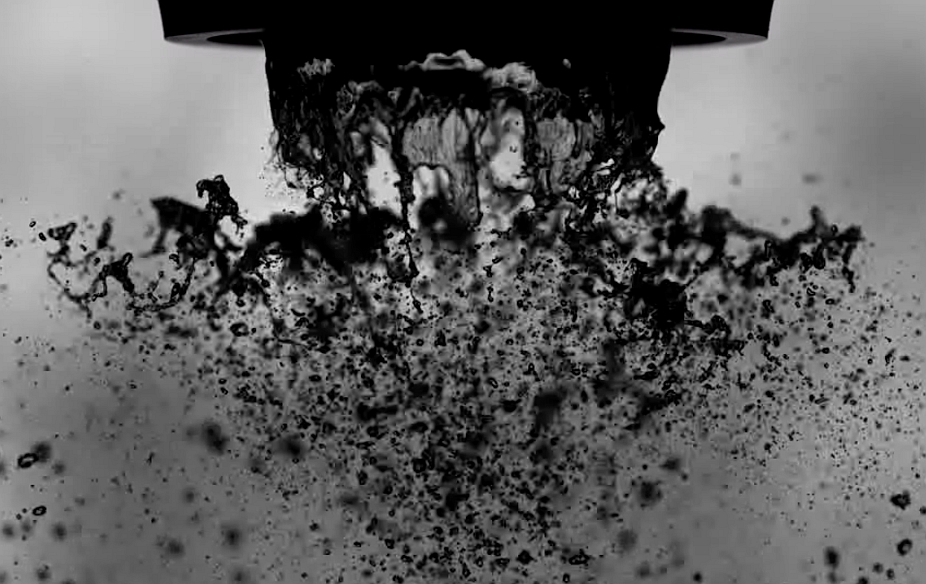
We study the fundamental physics of spray atomisation, the process by which liquid streams break up into small droplets.
This project aims to investigate the use of blended propellants to replace hydrofluorocarbons in technical aerosols.
We aim to develop advanced microstructure-based rheological models and computational fluid dynamics (CFD) simulations that connect the nanoscale fluid mechanics of polymer molecules with the macroscale flow behaviour of their solutions.
Our goal is to develop models and techniques to connect the flow behaviour of such suspensions with microswimmer characteristics.
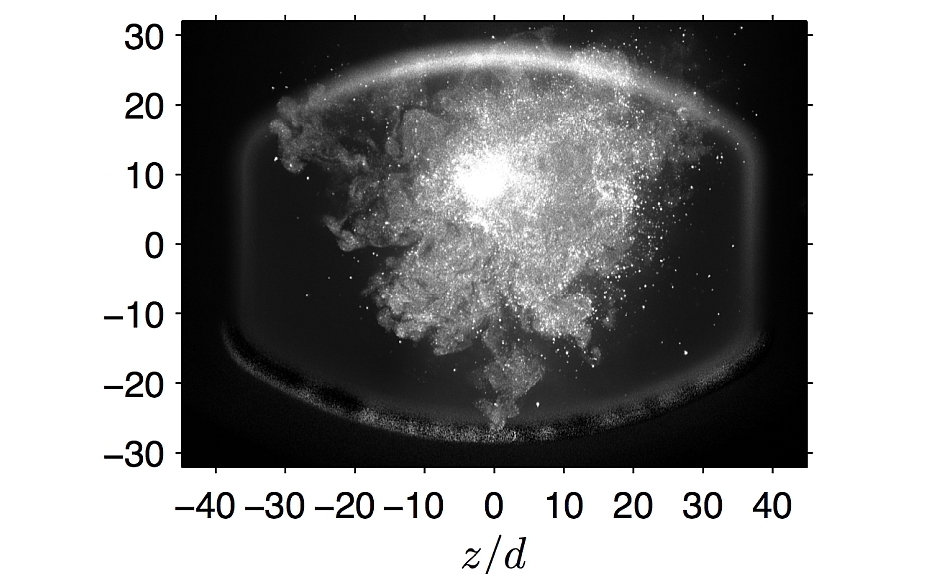
This project aims to develop tools to predict and mitigate high-amplitude acoustic tones, known as screech, in turbulent flows issuing from twin rectangular engines.
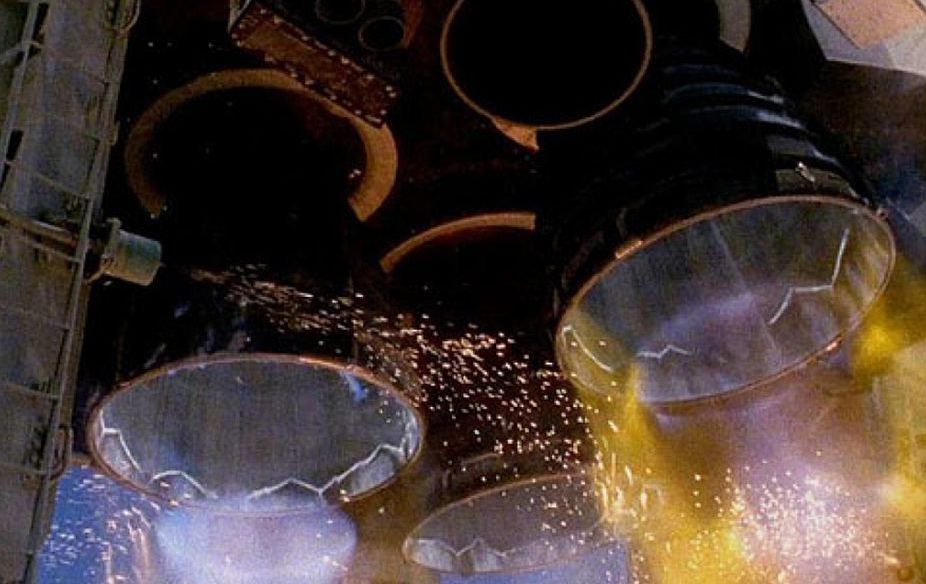
This project aims to improve the safety of rocket launches by predicting and ultimately controlling the intense sound waves generated by a rocket’s exhaust.