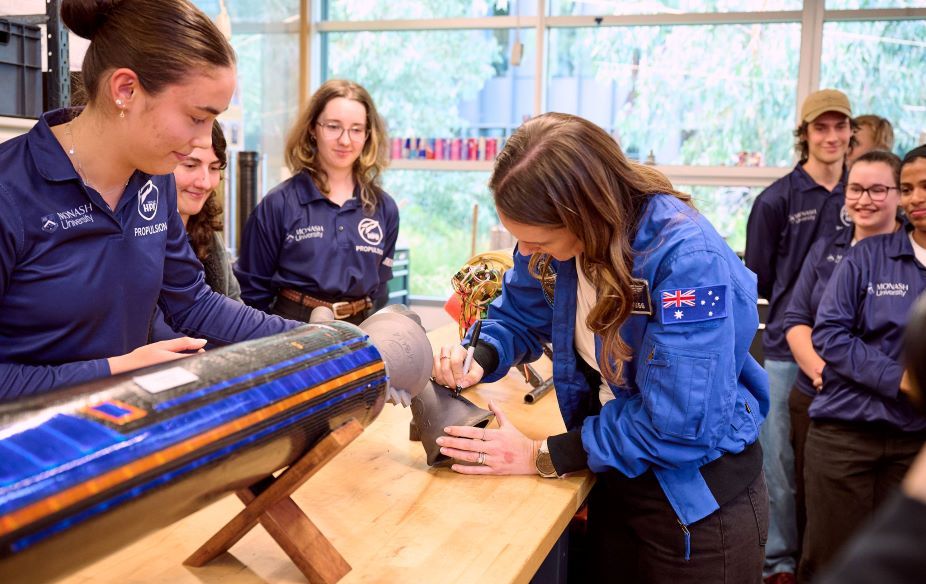
Indigenous STEM students their sights on space
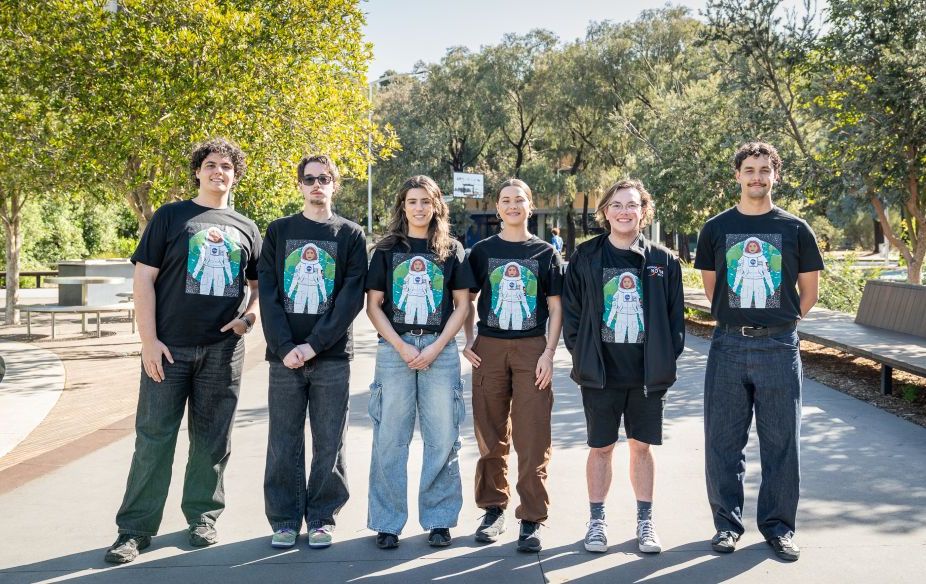
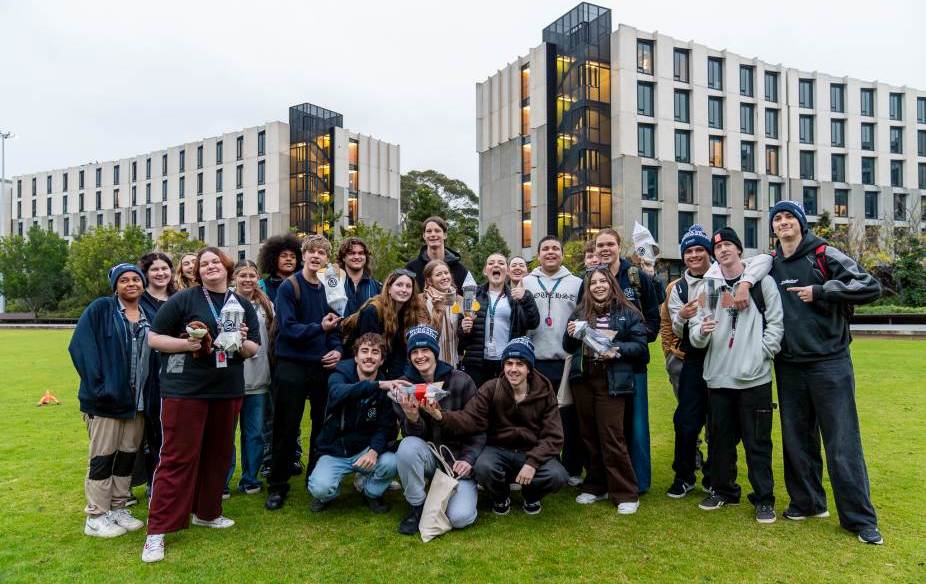
Eight First Nations university students are travelling to the United States and UK for a 10-week placement at NASA’s Jet Propulsion Laboratory (JPL) and STFC's Rutherford Appleton Laboratory (RAL space).
The program is part of Monash University’s pioneering National Indigenous Space Academy (NISA), which aims to build Indigenous participation in STEM degrees and Australia’s growing space sector.
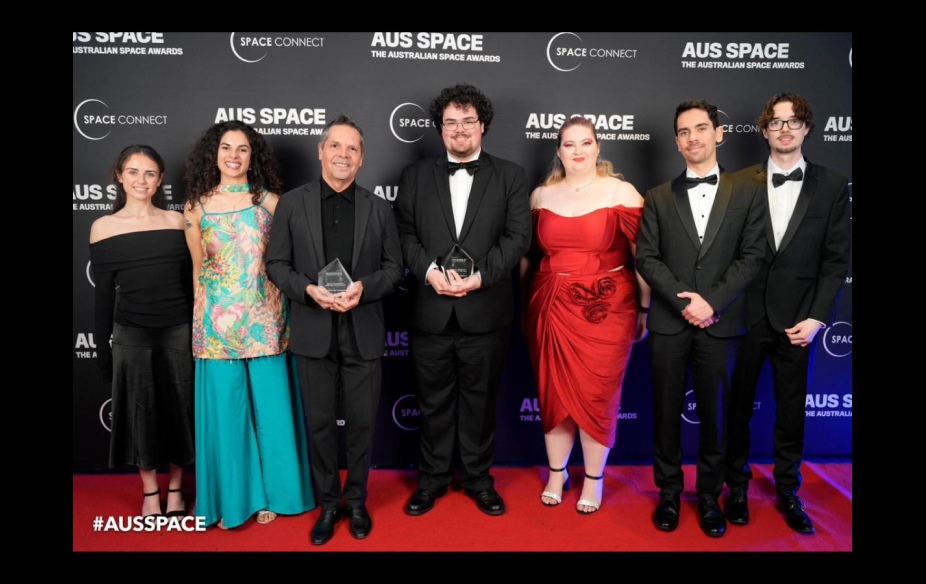
Founded in 2019, the NISA program is now in its eighth year and boasts an alumnus of 29 program participants. In 2026, NISA received national recognition at the Australian Space Awards, acknowledged with two Group Category honours: Indigenous Space Initiative of the Year and Diversity Initiative Program of the Year.
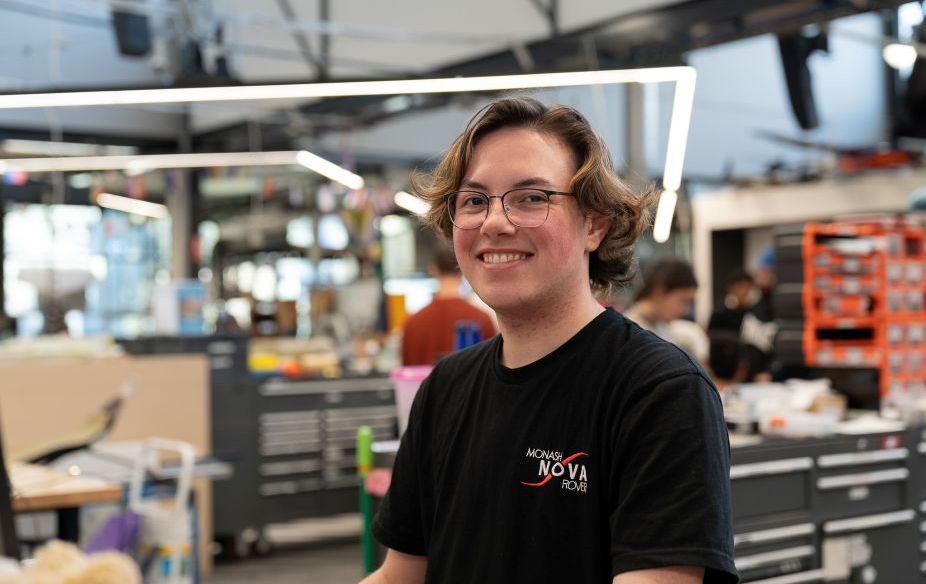
Tash Lee, a fourth-year Bachelor of Robotics and Mechatronics Engineering (Honours) and Bachelor of Science student at Monash University will join this year’s NISA cohort, heading to NASA’s Jet Propulsion Laboratory (JPL).
A proud Karajarri man from Melbourne (Naarm), Tash says, “Space offers so many incredible areas to work on, from rovers and robotics to Earth observation instruments. I’m excited to apply my engineering skills and knowledge of robotics and control systems that I've developed through my student team experience in Monash Nova Rover. I joined the NISA program to test those skills on real-world NASA JPL projects.”
This year's NISA cohort includes:
- Tash Lee, Monash University
- JordanRoulstone, QUT
- Jamal Woods, QUT
- JaimieDuffy, University of New England
- Noah Davis, University of Sydney
- Alaxandrea O'Brien, University of Western Australia
- Claire Weis, UNSW
- Alexander Cramp, UNSW
Six students will undertake placements at NASA JPL, where they will work with scientist and engineer mentors on projects contributing to current missions, including ocean exploration vehicles and research into microorganisms aboard the International Space Station. Two aerospace engineering students,Claire Weis and Alexander Cramp from UNSW have headed to RAL Space in the UK.
Alaxandrea O’Brien, a proud Dulgubarra-Mamu and Jirrbal woman from the University of Western Australia, recipient of the Andy Thomas Space Foundation Women’s Leadership NISA Scholarship is excited to start her journey to NASA JPL. Alaxandrea said meeting with Australian space professionals has filled me with awe and inspired me to explore the opportunities offered through the NISA program to the absolute fullest.
QUT engineering and IT student Jordan Roulstone has also been named the inaugural Boeing NISA Scholar. A proud Warumungu man, Jordan is interested in the application of AI to meteorology and space exploration.
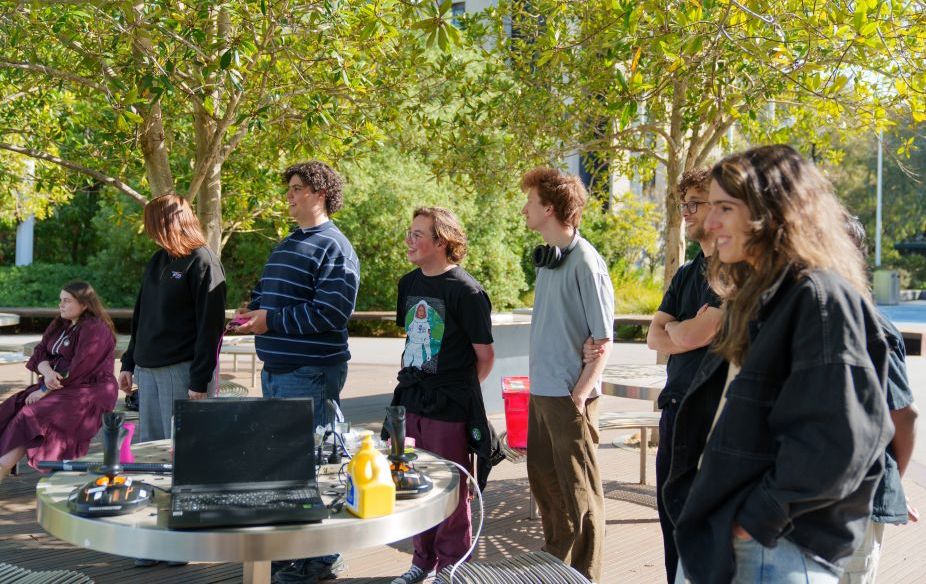
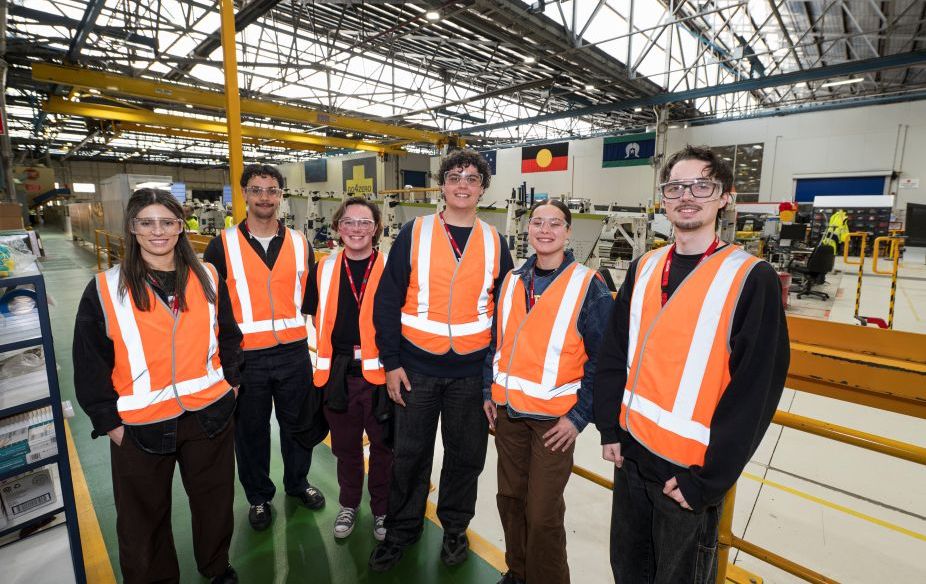
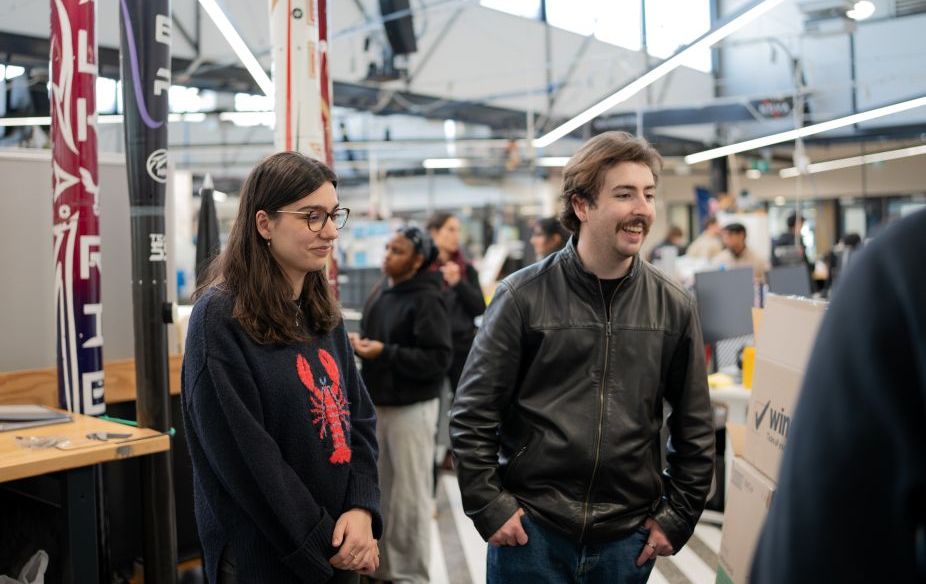
In preparation for their journey, NISA students participated in a Space Boot Camp at Monash, covering areas including aerodynamics, robotics, rovers, astrophysics, planetary science, engineering, computer science and earth sciences, alongside industry visits including Boeing Aerostructures Australia’s advanced manufacturing facility in Port Melbourne.
Professor Chris Lawrence, Director of the National Indigenous Space Academy and Professor of Practice in Space Innovation and Security Capabilities in the Faculty of Engineering at Monash University, said the scholarship would have a transformative impact.
“NISA provides Indigenous STEM university students the unique opportunity to study and learn at two of the world’s leading space research facilities, RAL Space in the UK and NASA/JPL in the US. Students work in teams on real life space missions and contribute to space exploration and search for other planets, solar systems and the ultimate search for other life existence in the galaxies. NISA is a life changing program for the next generation of space explorers,” Professor Lawrence said.
Applications for NISA’s 2027 program will open soon. Students can apply via the NISA website.
Since launching in 2023, NISA has provided space education opportunities for First Nations STEM students, with funding from the Australian Space Agency, and additional support from CSIRO, the Andy Thomas Space Foundation and Boeing.
NISA is proudly supported and sponsored by: