How aircraft composites wear down over time
New research from engineers at Monash University and RMIT University has examined how carbon fibre composite materials used in aircraft can slowly degrade when exposed to heat and moisture over long periods.
These materials are used widely in aerospace because they are strong, lightweight, and don’t rust like metals. But over time, warm and humid conditions can allow moisture to get into the material, which can weaken it from the inside.
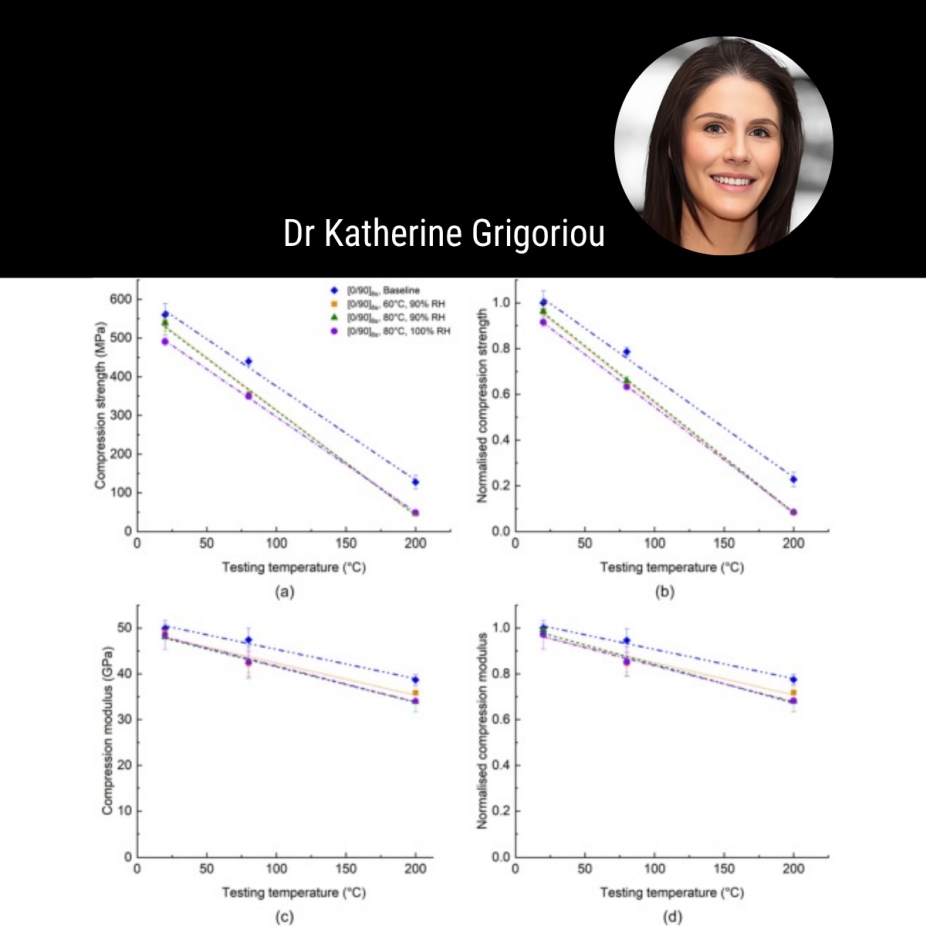
The study looked at how different carbon fibre laminate designs responded to this kind of ageing. The researchers tested the materials under different hot and humid conditions to see whether higher temperatures caused different types of damage, or whether they simply made the ageing happen faster.
As co-author Dr Katherine Grigoriou explains, “What we found is that it’s not the exact ageing temperature or humidity that matters most, it’s how much moisture the material ultimately absorbs. That gives industry much greater confidence that accelerated ageing methods can be used to predict long-term performance in a reliable and practical way.”
The study also found that the way the carbon fibres are arranged inside the material affects how well it holds up over time. Some fibre layouts were better at keeping their strength, while others were more sensitive to moisture-related damage.
Using advanced imaging tools, the team was able to see tiny internal changes caused by ageing, including small voids, cracks, and weakening in the material that are not always visible from the outside.
This research is important because it helps improve how aerospace materials are tested, designed, and approved for long-term use. In the future, it could help industry make better decisions about durability, safety, and the lifetime of aircraft composite structures.
Read the full article here.