
Civil engineering
Bachelor of Engineering (Honours)
CIVIL ENGINEERING
The design, construction, maintenance and operation of infrastructure for the benefit of society
How to applyWhat is Civil engineering?
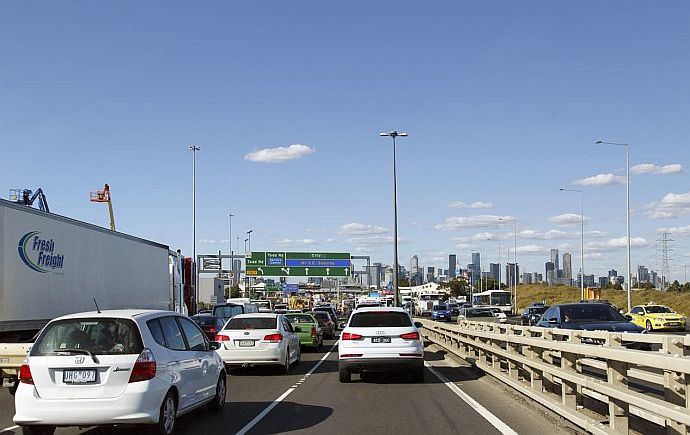
Civil engineers design and maintain infrastructure systems and processes that allow humans and nature to coexist with minimal impact. Modern society couldn’t function without them. We need civil engineers to design and the buildings we live and work in, the roads and bridges we use to travel on, and the water we need to live. We need them to construct larger commercial and industrial complexes. We need them for water supply and pollution control.
We need them to sustainably manage existing civil infrastructure such as roads, bridges and buildings. Civil engineering is more than just hard hats. At Monash we help you prepare for your civil engineering career early, learning the fundamentals and exploring emerging technologies, such as AI, 3D printing and robotics. You will also have the opportunity to gain industry experience in the major fields.

Why study Civil engineering at Monash University?
At Monash we help you prepare for your civil engineering career early, learning the fundamentals and exploring emerging technologies. You will also have the opportunity to gain industry experience in the major fields, such as structures, water, transport, and geomechanics.
#34
in the world for Civil engineering
93.3%
of graduates secure full-time employment within 4 months of graduating
Recognition
This engineering degree is accredited by Engineers Australia

Your pathway to success

Industry based learning
Monash Engineering offers world class industry internships and programs that put you at the top of the employability market.

World-class facilities
Some of the facilities and research centres that will enhance your learning experience include the Woodside building for Technology and Design, Monash Makerspace, Living Laboratory, Monash Institute of Transport Studies and Visualisation Laboratory.
Join a student team
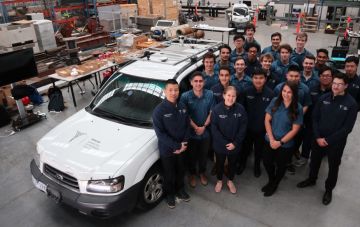
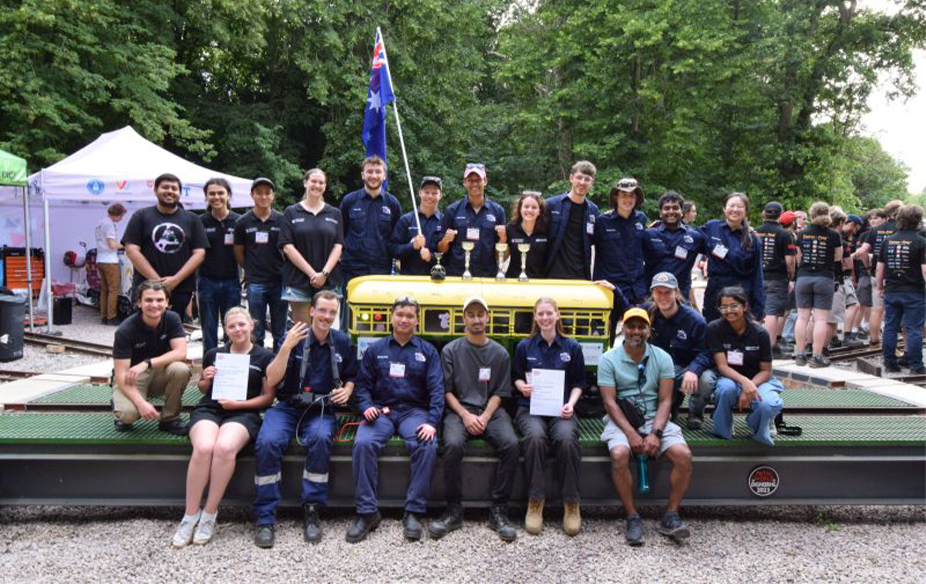
You can join one of the many student teams like Monash Connected Autonomous Vehicles, Solar Decathlon Team, Precious Plastics or Engineers Without Borders and form lasting friendships, get hands on experience and put your classroom learning into practice.
Your future Civil engineering career prospects
When you graduate as a civil engineer, you'll work in a myriad of areas, including designing, building and managing just about everything from a major freeway or railway, to a water storage reservoir, oil rig platform, harbour facility, or environmentally friendly structure. Our graduates have gone on to successful careers in top companies including:
- Arup
- Deloitte
- NASA
- Rio Tinto
- Dyson
- Aurecon
- AECOM
- John Holland
- BHP
- Tesla
- Department of Transport
What you will learn in Civil engineering
You’ll learn skills in core areas such as:
Structural
Design and oversee construction of buildings, bridges, airports, railways, commercial complexes, towers, offshore platforms, and tunnels. How to ensure structures remain sound under extreme conditions such as heavy traffic, high winds and earthquakes.
Water
Protect communities from floods and droughts. Design systems so that all water users have the water that they need, when they need it. Protect our waterways and keep them healthy for future generations.
Transport
Learn how to plan for the future travel needs of cities and rural areas. Investigate alternative transport technologies to make existing road and traffic systems safer, more efficient, and user-focused.
Geomechanics
Design and analysis of foundations and support structures, slopes, waste containment facilities, dams and tunnels, as well as engineering of geomaterials for infrastructure projects.
Expand your skills with an engineering minor
Artificial intelligence in engineering

Civil engineering

Computational engineering

Intelligent manufacturing

Internet of Things (IoT)

Environmental engineering

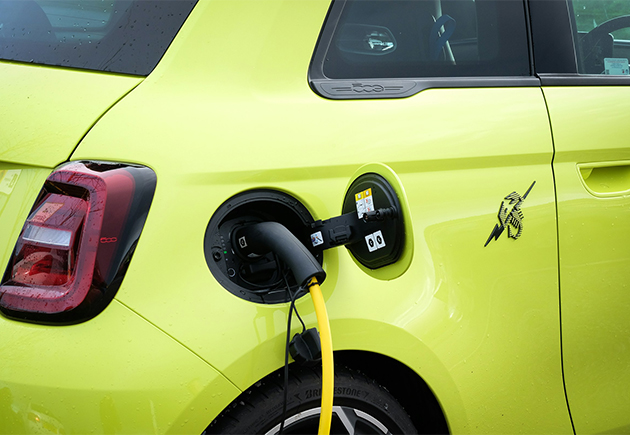
Electric vehicle technology
Medical technology

Micro and nano technologies

Mining engineering

Networks for connectivity

Power and energy systems engineering

Renewable energy engineering

Semiconductor

Sensory Systems in Industry 4.0
Smart manufacturing

Sustainable energy transition

Sustainable engineering

Telecommunications infrastructure

Transport
Earn two degrees with only one extra year of study
Architectural Design

Arts

Biomedical Science

Commerce

Computer Science

Design

Information Technology

Laws (Honours)

Pharmaceutical Science

Science

Hear from our engineering students

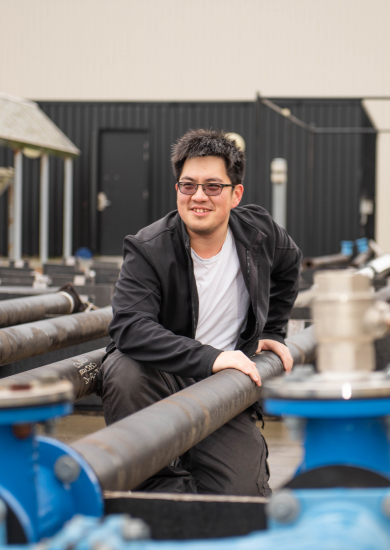
Growing up in Malaysia, I was fascinated by buildings and skyscrapers like the Petronas Twin Towers, and I wanted to build my own houses and high-rise buildings for a career. Thus, civil engineering felt like the most logical choice, especially as I became more interested in sustainability and the impact buildings have on the environment.”
HENRY LIM
Bachelor of Civil Engineering (Honours)
Prototyping Division Lead, Monash Sustainable Buildings
Latest Civil engineering news
Ready to apply?
4 years full-time/ 8 years part-time
Starts: February/July
Clayton campus
You’re almost there. Find out all you need to know about making an application, including entry requirements, course structure, fees, scholarships, double degree options and more.
How to apply
Chat with us
Book a one-on-one call with an engineering representative to answer any questions you may have about studying Bachelor of Engineering at Monash.