
Environmental engineering
Bachelor of Engineering (Honours)
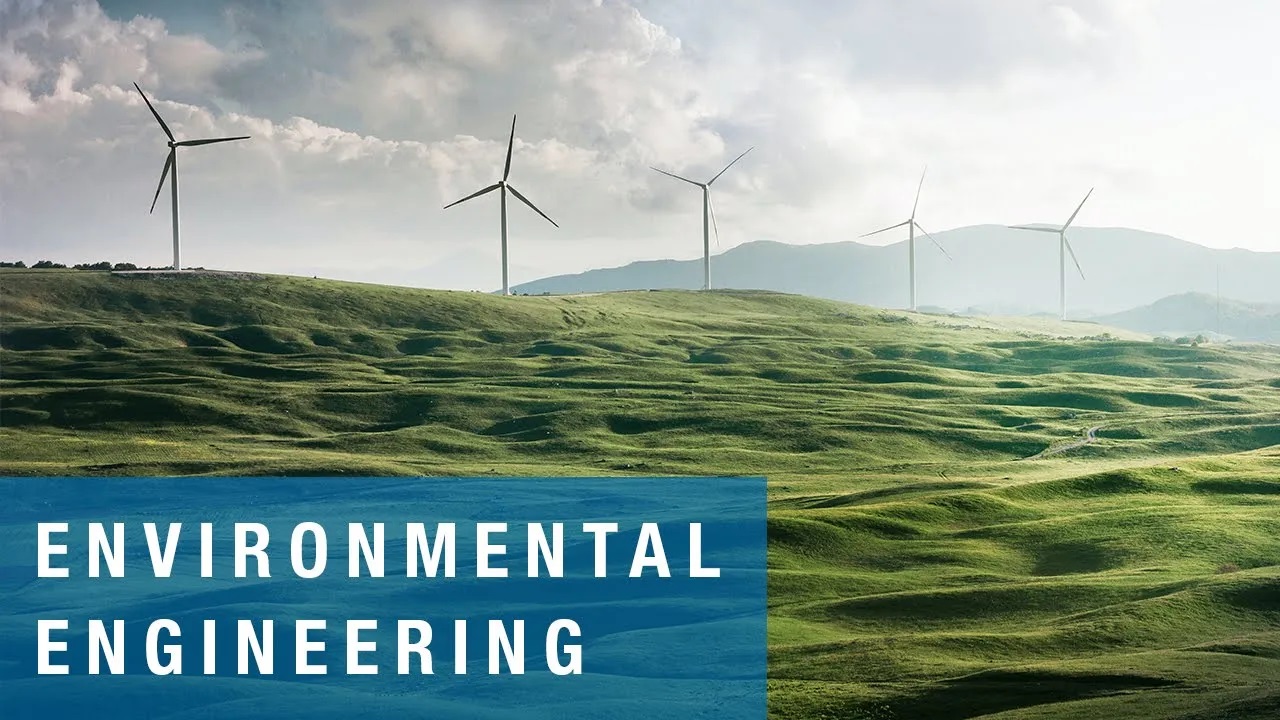
ENVIRONMENTAL ENGINEERING
Reduce the impact of human activity and protect our natural world
How to applyWhat is Environmental engineering?
Few branches of engineering have such a profound impact on our health, quality of life and the future wellbeing of the planet as environmental engineering. It’s all about the implementation and management of solutions and programs in keeping with the principles of sustainable development and humanitarian engineering. It involves reducing energy and resource use and both minimising and managing waste and pollution, while providing the community with the development opportunities it needs to grow.
Environmental engineering encompasses water and air-pollution control, recycling, water supply, waste disposal, land management, transport and the built environment, process engineering, and public health issues.
Why study Environmental engineering at Monash University?
Environmental problems exist in all countries and industries, so your opportunities are broad and far-reaching. You could work in air-pollution control, water supply, land management, impact assessment, hazardous-waste management, energy production, stormwater and wastewater management, environmental management systems and much more.
#68
in the world for Environmental Science and Engineering
81.4%
of graduates secure full-time employment within 4 months of graduating
Recognition
This engineering degree is accredited by Engineers Australia

Your pathway to success

Industry based learning
Monash Engineering offers world class industry internships and programs that put you at the top of the employability market.

World-class facilities
Some of the facilities and research centres that will enhance your learning experience include the Woodside building for Technology and Design, Monash Makerspace, Living Laboratory, Centre for Water Sensitive Cities and Bushfire and Natural Hazards Research Centre.
Join a student team
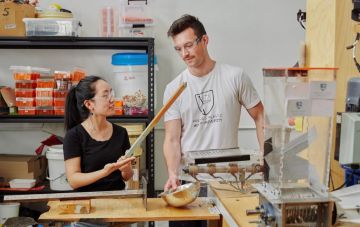
You can join one of the many student teams like Monash Solar Decathlon Team, Precious Plastics or Engineers Without Borders and form lasting friendships, get hands on experience and put your classroom learning into practice.
Your future Environmental engineering career prospects
Demand is on the rise for Engineering graduates with environmental expertise. This is your chance to stand out from the crowd, and make a difference for the generations to come. Our graduates have varied and diverse career options, going on to successful careers in leading companies such as:
- AECOM
- CSIRO
- Dyson
- GE Renewable Energy
- Environment Protection Authority
- John Holland
- Tesla
- EY
- Golder
- Cleanaway
- Snowy Hydro
- Great Barrier Reef Marine Park Authority
What you will learn in Environmental engineering
Environmental engineering encompasses water and air pollution control, recycling, water supply, waste disposal, land management, transport and the built environment, process engineering, and public health issues. In particular, you’ll learn about core areas such as:
Urban infrastructure & resources management
Sustainable infrastructure design, smart and green buildings, transport systems.
Water treatment & resources management
Water and waste water treatment, hydrology and catchment management, sustainable urban water systems.
Soil & geomechanics
Remediation and rehabilitation of contaminated sites, environmental impact and risk assessment, fate and transport or pollutants.
Sustainable processing
Cleaner production technologies, sustainable resource processing, environmental technologies.
Waste treatment & management
Domestic and industrial waste treatment, waste to materials, waste to energy and management.
Expand your skills with an engineering minor
Artificial intelligence in engineering

Civil engineering

Computational engineering

Intelligent manufacturing
Internet of Things (IoT)

Environmental engineering

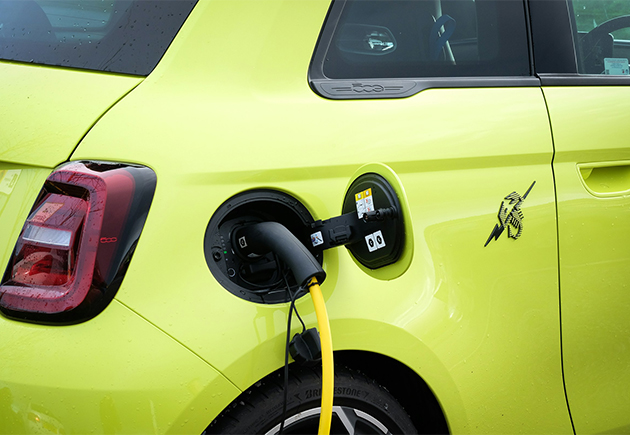
Electric vehicle technology
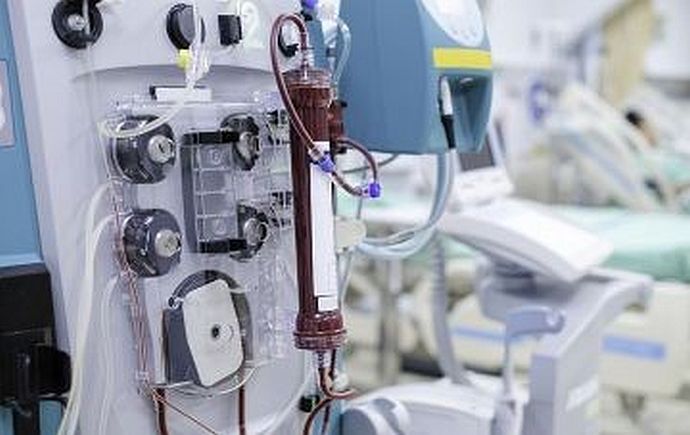
Medical technology
Micro and nano technologies

Mining engineering

Networks for connectivity

Power and energy systems engineering

Renewable energy engineering

Semiconductor

Sensory Systems in Industry 4.0
Smart manufacturing

Sustainable energy transition
Sustainable engineering

Telecommunications infrastructure

Transport
Earn two degrees with only one extra year of study
Architectural Design

Arts

Biomedical Science

Commerce

Computer Science

Design
Information Technology

Laws (Honours)

Pharmaceutical Science

Science

Hear from our engineering students
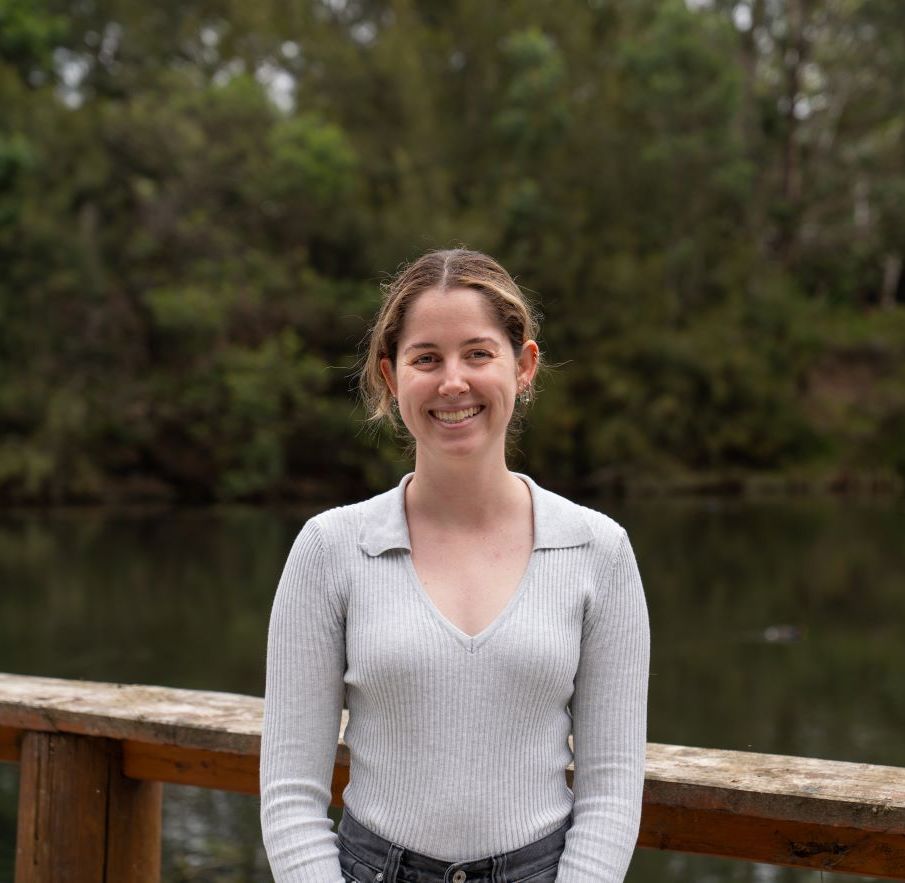
I was always passionate about environmental issues and sustainability. I loved chemistry and biology in high school, which eventually led me to Environmental Engineering. It covers a diverse range of topics and fields, from organic chemistry analysing air pollutants to advanced hydrology and building sustainability, making it a well-rounded specialisation focused on minimising environmental impact.”
CHELSEA MORGAN
Bachelor of Environmental Engineering (Honours)
Vocational Student, East Gippsland Water
Latest Environmental engineering news
Ready to apply?
4 years full-time/ 8 years part-time
Starts: February/July
Clayton campus
You’re almost there. Find out all you need to know about making an application, including entry requirements, course structure, fees, scholarships, double degree options and more.
How to apply
Chat with us
Book a one-on-one call with an engineering representative to answer any questions you may have about studying Bachelor of Engineering at Monash.