
Electrical and computer systems engineering
Bachelor of Engineering (Honours)
ELECTRICAL AND COMPUTER SYSTEMS ENGINEERING
Investigate, design, develop, test, market and manage a wide range of products and systems
How to applyWhat is Electrical and computer systems engineering?
Electrical and computer systems engineering is an extremely diverse field, encompassing biomedical, computer systems, electronics, electrical power, AI, robotics and telecommunications. Electrical and computer systems engineers investigate, plan, design, develop, construct, test, market and maintain a wide range of products and systems.
As an electrical and computer systems engineer, you can design and develop digital products such as smartphones, virtual reality systems or computer games, or maybe robotic medical devices to assist in surgery and rehabilitation.

Why study Electrical and computer systems engineering at Monash University?
At Monash, you’ll experience working with industry-standard reprogrammable chips in the laboratories from first year onwards. By third year you’ll be building miniaturised machines with very powerful processing on board. In fourth year you may apply this knowledge to a ‘product’ of your own.
TOP 75
in the world for Electrical and Electronic engineering
93.3%
of graduates secure full-time employment within 4 months of graduating
Recognition
This engineering degree is accredited by Engineers Australia

Your pathway to success

Industry based learning
Monash Engineering offers world class industry internships and programs that put you at the top of the employability market.

World-class facilities
Some of the facilities and research centres that will enhance your learning experience include the Woodside building for Technology and Design, Monash Makerspace, Robotics Laboratory, Monash Vision Group and an optical communications laboratory.
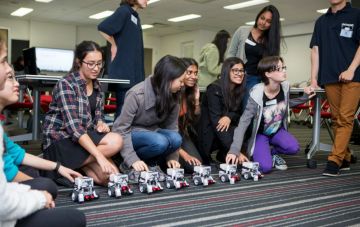
Join a student team
You can join one of the many student teams like Monash DeepNeuron, Robogals, Monash Motorsport, or Young MedTech Innovators and form lasting friendships, get hands on experience and put your classroom learning into practice.
Your future Electrical and computer systems engineering prospects
When you graduate you could work for large public and private telecommunications, manufacturing and electrical-power companies, or in defence and intelligence organisations. You could also work in banking and finance, or with any organisation that creates, stores, encodes and transmits big data or manages complex systems. Our graduates have gone on to successful careers in top companies including:
- Tesla
- Deloitte
- NASA
- Apple
- Dyson
- Telstra
- Citi
- PwC
- Intel
- Woodside Energy
- Department of Defence

What you will learn in Electrical and computer systems engineering
You’ll receive hands-on training and the theoretical insight you need for an exciting future as an electrical and computer systems engineer. You’ll gain skills and knowledge across a broad range of focus areas, including:
Artificial intelligence(AI)
Design and build Artificial Neural Networks and use Deep Learning to solve fundamental problems. From machines classifying images, proving mathematical theorems, making medical diagnosis and driverless cars, AI will revolutionise our lives.
Analog electronics
The real world is analog, so we will show you how to interface analog sensors and actuators to digital computers, and give you the best building blocks to design analog circuits for many purposes.
Digital Electronics
Learn how to use ‘digital’ components such as logic gates and memory to create systems that manipulate, transmit and receive information, from single purpose micro-controllers to general purpose microprocessors such as those found in smartphones and laptops.
Power electronics/Energy
Design solutions for efficiently generating, distributing, converting and managing energy. The role of power electronics is becoming more critical to ensure we have access to sustainable, clean, and non-polluting energy.
Signal processing
Signal processing enables humans and machines to sort signals from ‘noise’, in turn enabling efficient communication and interpretation of the world around us.
Control systems
Design in-built ‘control systems’ that enable the effective automation of repetitive tasks and precise management of physical systems using electrical signals.
Telecommunications
Learn how the internet works and how to effectively communicate over extremely long distances using electrical and light signals through copper wires, radio waves and optical fibres.
Robotics and computer systems
Combine sensors, computer processing and actuators to enable robots to make smart human-like decisions and interact effectively with their environment whilst keeping humans safe.
Biomedical engineering
We are all complex biological systems that are run on electrical signals. Learn how to create electrical systems to diagnose problems, assist and enhance the human body.
Computing
Learn how computers work and how to integrate computer programs with electrical components such as the camera or touchscreens on your smartphone. Master your programming skills.
Expand your skills with an engineering minor
Artificial intelligence in engineering

Civil engineering

Computational engineering

Intelligent manufacturing

Internet of Things (IoT)

Environmental engineering

Electric vehicle technology
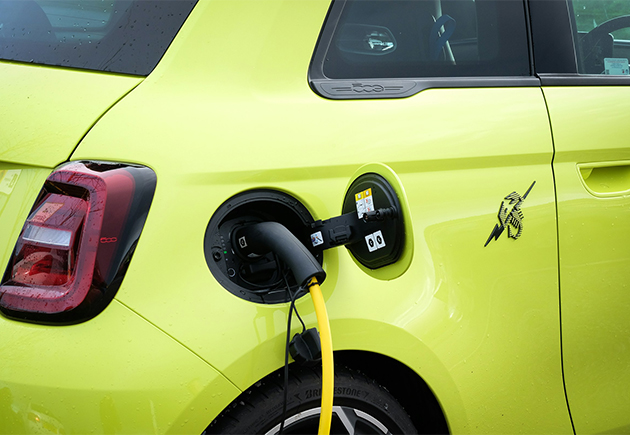
Medical technology
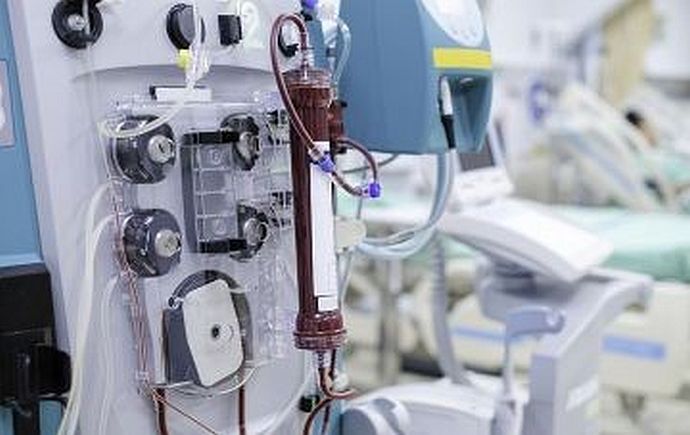
Micro and nano technologies

Mining engineering

Networks for connectivity

Power and energy systems engineering

Renewable energy engineering

Semiconductor
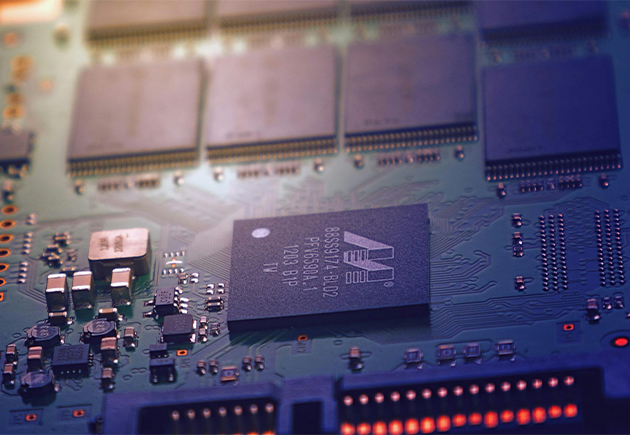
Sensory Systems in Industry 4.0
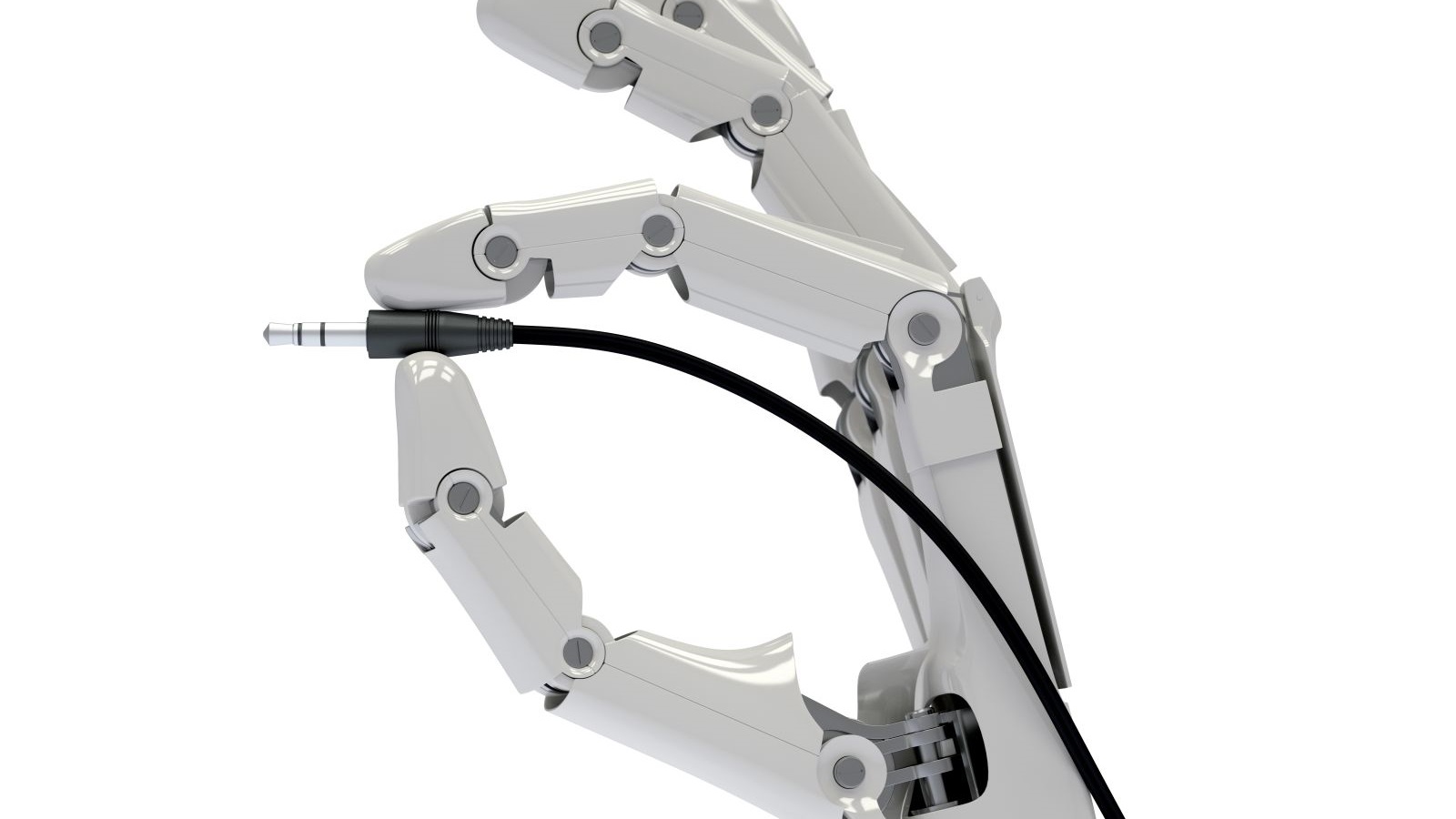
Smart manufacturing

Sustainable energy transition

Sustainable engineering

Telecommunications infrastructure

Transport

Earn two degrees with only one extra year of study
Architectural Design

Arts

Biomedical Science

Commerce

Computer Science

Design

Information Technology

Laws (Honours)

Pharmaceutical Science

Science

Hear from our engineering students
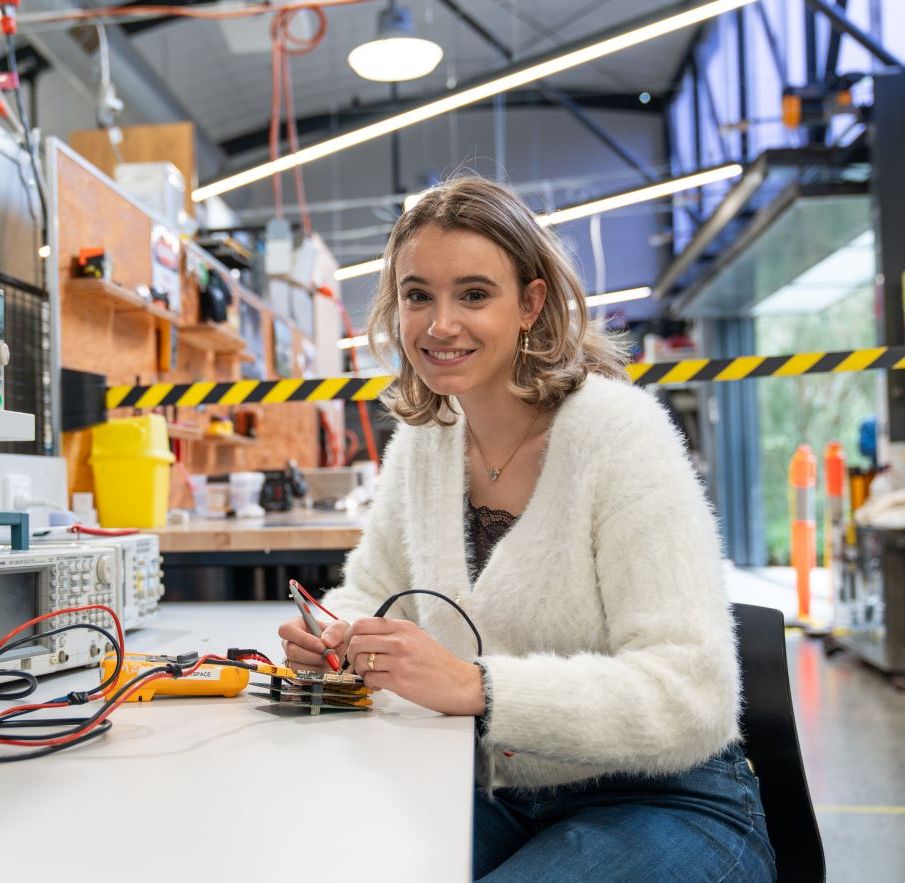
Being involved in Monash Uncrewed Aerial Systems has been one of the most rewarding parts of my university experience. It allowed me to apply the theory taught in the classroom to practical, real-world challenges, while also gaining exposure to industry-level tools and software. Most importantly, it gave me the opportunity to connect with people from diverse backgrounds who share similar passions, and to build lifelong friendships.”
EMMA VLADICIC
Bachelor of Electrical Engineering (Honours) and Bachelor of Commerce
Engineering Officer, Sage Automation
Latest Electrical and computer systems engineering news
Ready to apply?
4 years full-time/ 8 years part-time
Starts: February/July
Clayton campus
You’re almost there. Find out all you need to know about making an application, including entry requirements, course structure, fees, scholarships, double degree options and more.
How to apply
Chat with us
Book a one-on-one call with an engineering representative to answer any questions you may have about studying Bachelor of Engineering at Monash.