
Chemical engineering
Bachelor of Engineering (Honours)
CHEMICAL ENGINEERING
As populations grow and resources and energy reserves decline, the demand for chemical engineers is increasing
How to applyWhat is Chemical engineering?
Chemical engineering blends chemistry with engineering and other fields including biological science, environmental science, nanotechnology, pharmaceutical science, mathematical modelling, artificial intelligence and digitalisation, mineral processing, management and economics. Many everyday items involve chemical engineering during some stage of their production: pharmaceuticals, computer chips, mobile phones, catalysts, food and water, and our fossil fuel and renewable energy sources, to name just a few.
Chemical engineers invent, develop, design and improve the sustainability of processes that convert raw materials into useful products, with minimal environmental impact. They’re also involved with pollution control, energy generation and conservation, recovering energy from waste and renewable resources, and protection of the environment.
Why study Chemical engineering at Monash University?
Consistently ranked number one in Australia for chemical engineering, Monash offers a world-class educational experience taught by leading researchers in the chemical and biological engineering field. Plus, you’ll have the chance to join prizewinning student teams like Monash Carbon Capture and Conversion.
#38
in the world and #1 in Australia for Chemical engineering
81.4%
of graduates secure full-time employment within 4 months of graduating
Recognition
This engineering degree is accredited by Engineers Australia
Your pathway to success

Industry based learning
Monash Engineering offers world class industry internships and programs that put you at the top of the employability market.

World-class facilities
Some of the facilities and research centres that will enhance your learning experience include the Woodside building for Technology and Design, Monash Makerspace, the TITAN Microscope and Monash Centre for Membrane Innovation (MCMI).
Join a student team
You can join one of the many student teams like Monash BrewLab, Precious Plastics, Monash Motorsport or Engineers Without Borders and form lasting friendships, get hands on experience and put your classroom learning into practice.
Your future Chemical engineering career prospects
When you graduate as a chemical engineer, you could play a leading role in solving the challenge of providing society with food, energy and water. Exciting career opportunities are also available for highly trained chemical engineers in emerging industries of nanotechnology and biotechnology. You could also have a career in law, mining, business or government. Our graduates have gone on to successful careers in top companies including:
- DuPont
- Tesla
- ExxonMobile
- PPG
- Goldman Sachs
- NASA
- Nestlè
- Tata
- BHP
- PepsiCo
- BASF
What you will learn in Chemical engineering
You’ll begin with the basics of chemical engineering, mass and energy balances, fluid flow and other core fundamentals. Once you reach third-year, you’ll look into the design of chemical engineering plants and equipment, and how we incorporate the environmental impact and safety aspects into the design process. You can choose to specialise in two of four engineering chemical engineering technical elective topics:
Biotechnology
The use of biological processes for commercial and industrial applications. These include the use of recombinant DNA, the development of micro-organisms, and new bioprocessing techniques.
Sustainable processing
Sustainability and life-cycle assessment for environmental benefit. Develop processes to the manufacturing of existing processes and new products from renewable raw materials.
Nanotechnology
Is engineering at the molecular level to a new generation of products that are cleaner, smaller, stronger, lighter and more precise.
Green chemistry
Sustainable green approaches to chemical reactions for efficient, cleaner processes and products with less waste.
Expand your skills with an engineering minor
Artificial intelligence in engineering

Civil engineering

Computational engineering

Intelligent manufacturing
Internet of Things (IoT)

Environmental engineering

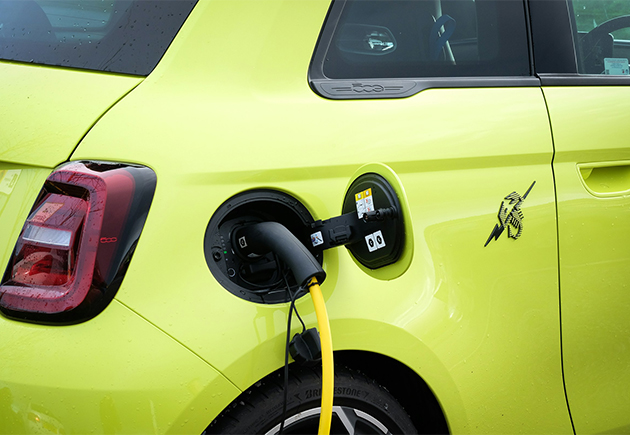
Electric vehicle technology
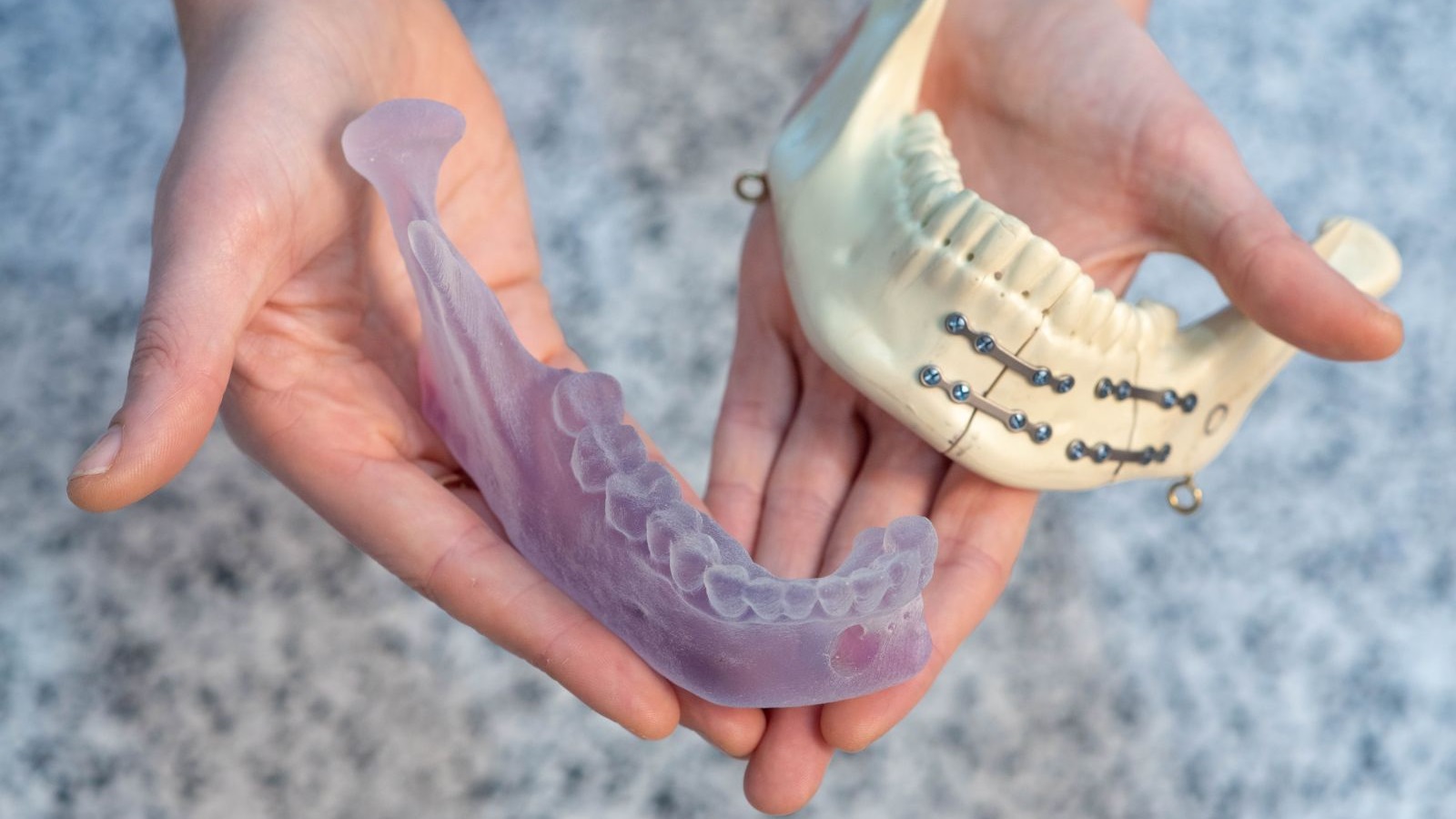
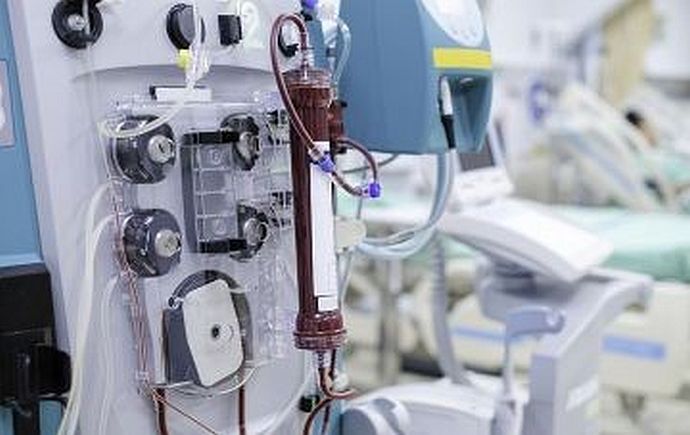
Medical technology
Micro and nano technologies

Mining engineering

Networks for connectivity

Power and energy systems engineering

Renewable energy engineering

Semiconductor

Sensory Systems in Industry 4.0

Smart manufacturing

Sustainable energy transition

Sustainable engineering

Telecommunications infrastructure

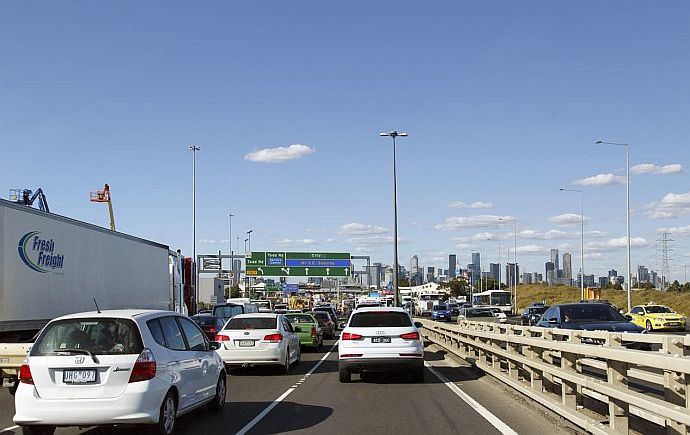
Transport
Earn two degrees with only one extra year of study
Architectural Design

Arts

Biomedical Science

Commerce

Computer Science

Design

Information Technology

Laws (Honours)

Pharmaceutical Science

Science

Hear from our engineering students
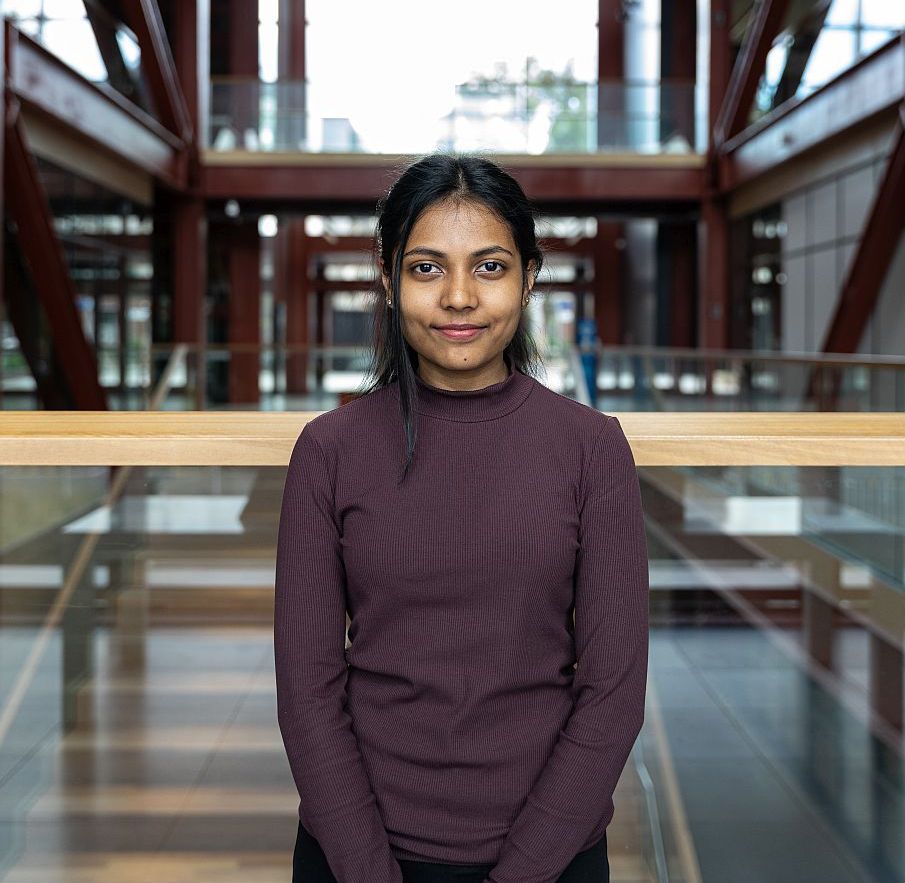
My studies have opened doors to a lot of new skills and opportunities. During my undergraduate degree I did an internship with the Monash Woodside Energy Partnership, which introduced me to research concepts and led me to commencing a PhD with industry. I get the best of both worlds. I work with industry and academics at Monash. Everything that we’ve done is actually so hands-on and we get to see the result of our work much earlier. It’s been great seeing commercial projects come to life.”
Romalya Ranasinghe
Industry Doctoral Program (Industry PhD)
Bachelor of Chemical Engineering (Honours)
Vice President, Monash Pilot Processes team
Latest Chemical engineering news


Ready to apply?
4 years full-time/ 8 years part-time
Starts: February/July
Clayton campus/Malaysia campus
You’re almost there. Find out all you need to know about making an application, including entry requirements, course structure, fees, scholarships, double degree options and more.
How to apply
Chat with us
Book a one-on-one call with an engineering representative to answer any questions you may have about studying Bachelor of Engineering at Monash.