
Mechanical engineering
Bachelor of Engineering (Honours)
MECHANICAL ENGINEERING
Design and develop everything from door locks to space shuttles
How to applyWhat is Mechanical engineering?
Mechanical engineering is about the efficient use of energy in the design and function of all types of mechanisms, from the simplest to the most complex. It builds on physics, chemistry, materials, mathematics and biology to achieve this goal. Growth industries include advanced manufacturing, smart buildings, renewable energy, medical engineering and consulting practice.
As a mechanical engineer, you could design automatic control systems, or create efficiently heated and cooled buildings. You could manage the water supply for a whole state, take charge of the operation of a smart building, design wind turbines or highly efficient, low-cost products for the developing world.

Why study Mechanical engineering at Monash University?
Join Monash and apply your mechanical engineering skills to one of our high-performing student teams, such as Monash Motorsport, Monash Nova Rover or Monash High Powered Rocketry. You’ll gain hands-on experience and industry connections that boost your career outcomes.
#59
in the world for Mechanical, Aeronautical & Manufacturing engineering
81.4%
of graduates secure full-time employment within 4 months of graduating
Recognition
This engineering degree is accredited by Engineers Australia

Your pathway to success

Industry based learning
Monash Engineering offers world class industry internships and programs that put you at the top of the employability market.

World-class facilities
Some of the facilities and research centres that will enhance your learning experience include the Woodside building for Technology and Design, Monash Makerspace, Institute of Railway Technology and Monash Centre for Additive Manufacturing (MCAM).

Join a student team
You can join one of the many student teams like Monash Motorsport, High Powered Rocketry, Monash Nova Rover or Monash Human Power and form lasting friendships, get hands on experience and put your classroom learning into practice.
Your future Mechanical engineering career prospects
When you graduate as a mechanical engineer, you'll discover countless opportunities in a wide range of industries in Australia and overseas. Our graduates have gone on to successful careers in leading companies including:
- Tesla
- NASA
- Rio Tinto
- Department of Defence
- Rolls-Royce
- Deloitte
- Renault Sport Racing
- Jacobs
- Medtronic
- Thales
- Dyson

What you will learn in Mechanical engineering
You could optimise the aerodynamics of trucks and trains, create robots that can operate with greater precision than a human, or use 3D printers to create aircraft parts. In particular, you’ll learn about core areas such as:
Fluid mechanics
Physical understanding of fluid statics and fluid flow and the interaction of fluid forces with solids, including hydrostatics, boundary layers, measurement techniques and applications.
Dynamics
Understand the concepts of time, space, coordinate systems, particles, rigid bodies, forces, work, energy and Newton's Laws of Motion.
Mechanical Systems Design
Integrate mechanical design with material selection, manufacture, and control systems, in-service monitoring to optimise system performance and assess quality, lifecycle and environmental impact.
Thermodynamics
Concepts of heat, work, energy, temperature and pressure and other related concepts that can be used in refrigeration, renewable energy, heating and electricity generation.
Systems and control
The nature and behaviour of simple components, processes and subsystems relevant to engineering control, such as mechanical, electrical, fluid pressure devices and complete elementary control systems.
Specialised elective topics
Such as composite materials, micro and nanotechnologies, wind engineering, advanced dynamics, robotics, neural networks and deep learning.
Expand your skills with an engineering minor
Artificial intelligence in engineering

Civil engineering

Computational engineering

Intelligent manufacturing
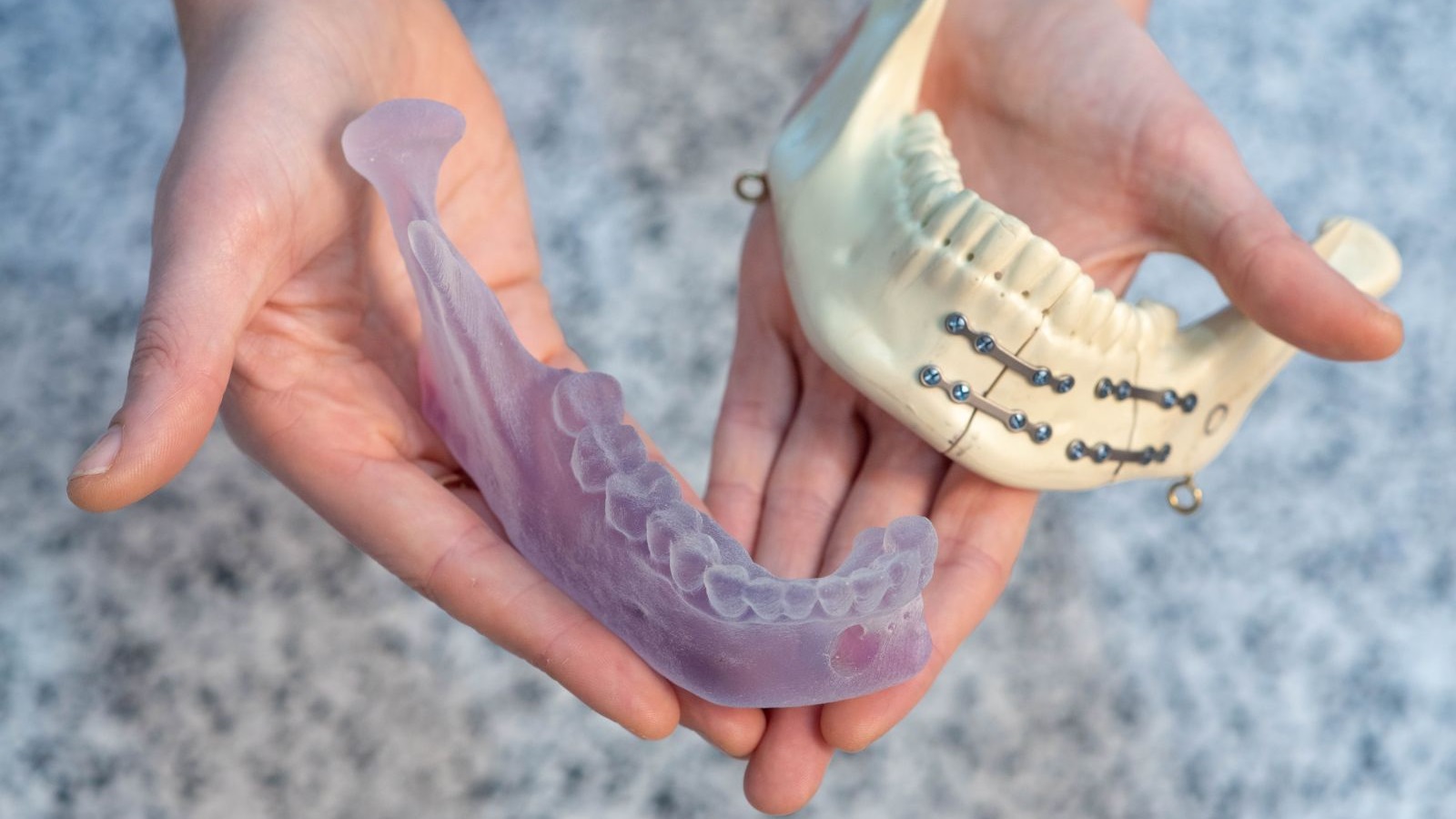
Internet of Things (IoT)

Environmental engineering

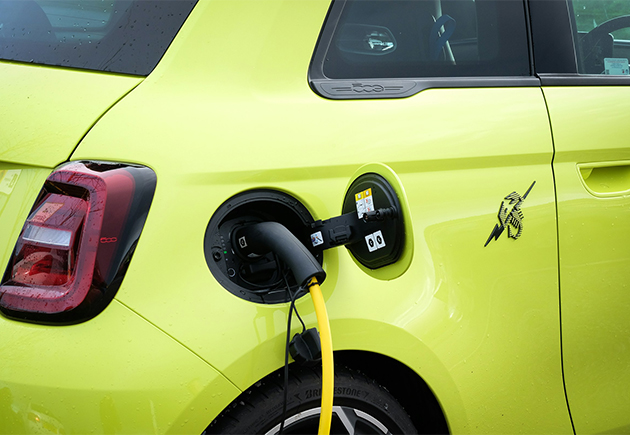
Electric vehicle technology
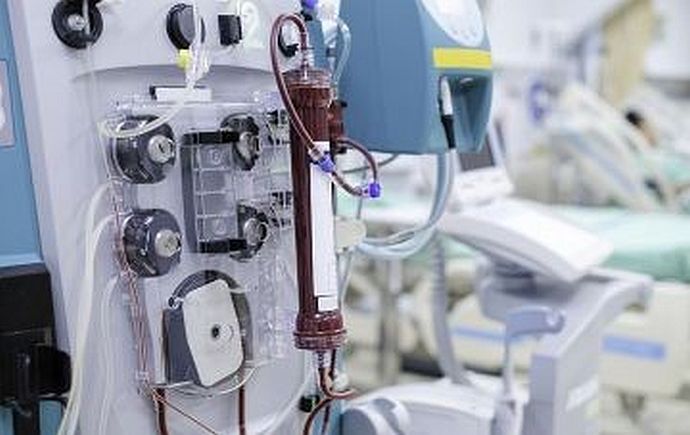
Medical technology
Micro and nano technologies

Mining engineering

Networks for connectivity

Power and energy systems engineering

Renewable energy engineering

Semiconductor

Sensory Systems in Industry 4.0
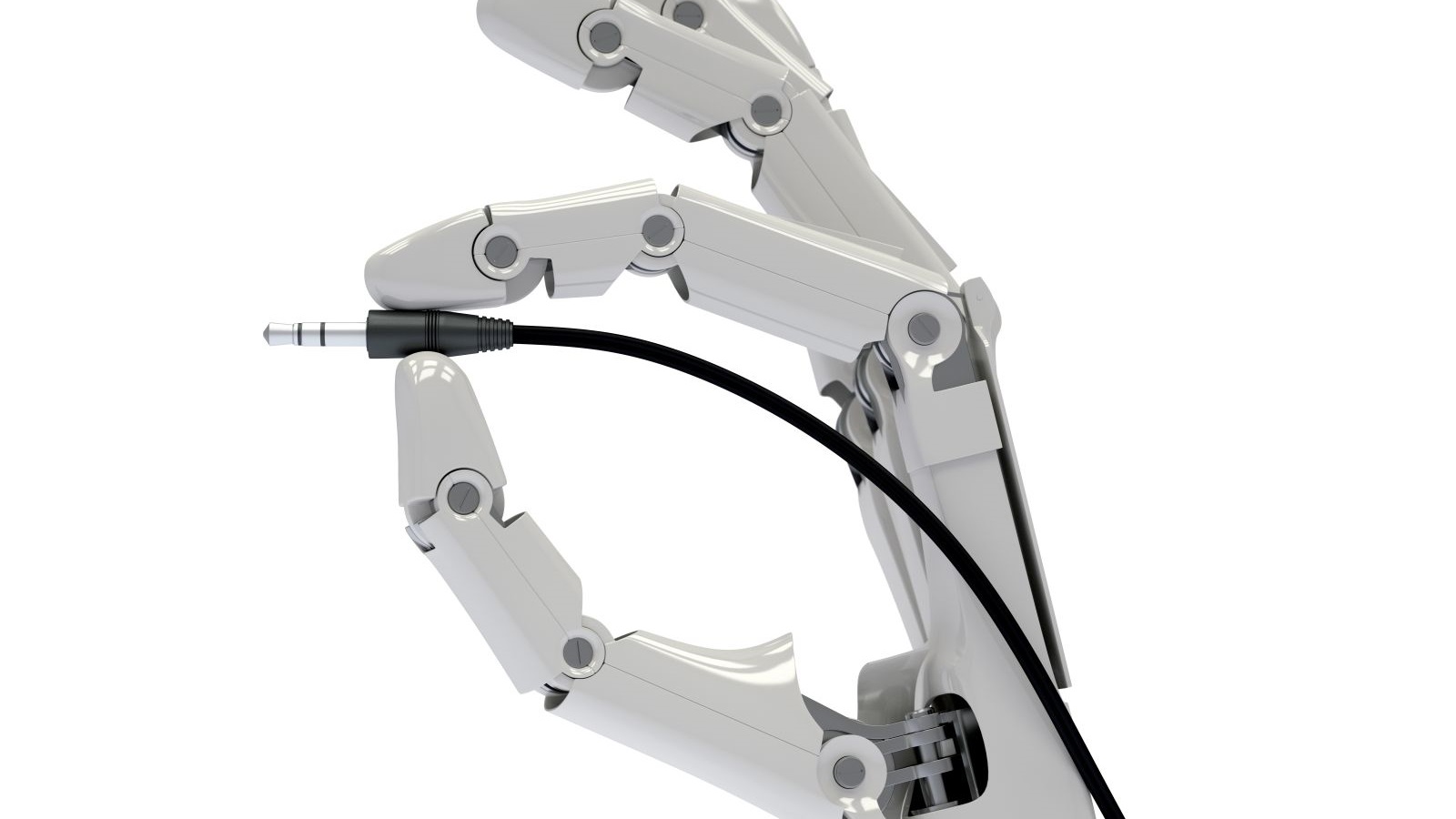
Smart manufacturing

Sustainable energy transition

Sustainable engineering

Telecommunications infrastructure

Transport
Earn two degrees with only one extra year of study
Architectural Design

Arts

Biomedical Science

Commerce

Computer Science

Design
Information Technology

Laws (Honours)

Pharmaceutical Science

Science

Hear from our engineering students

Mechanical systems are involved in almost every field in industry, and the opportunities
for mechanical engineers to branch out are endless. I have a strong interest in medical engineering and undertook a Summer Research Program Scholarship to gain experience working in the industry. I’ve come out with a greater understanding of a research topic, new skills and a network of like-minded people. Working in the CREATElab, and observing how people from so many disciplines are working on slightly different projects, but all geared towards the same goal of improving healthcare has been incredibly inspiring.”
Read Judy's story
Judy Li
Bachelor of Mechanical Engineering (Honours) and Bachelor of Biomedical Science
Principle Maglev Engineer, Monash Heart Hack team
HR Co-Lead Monash Nova Rover
Recruitment officer, Monash Young MedTech Innovators
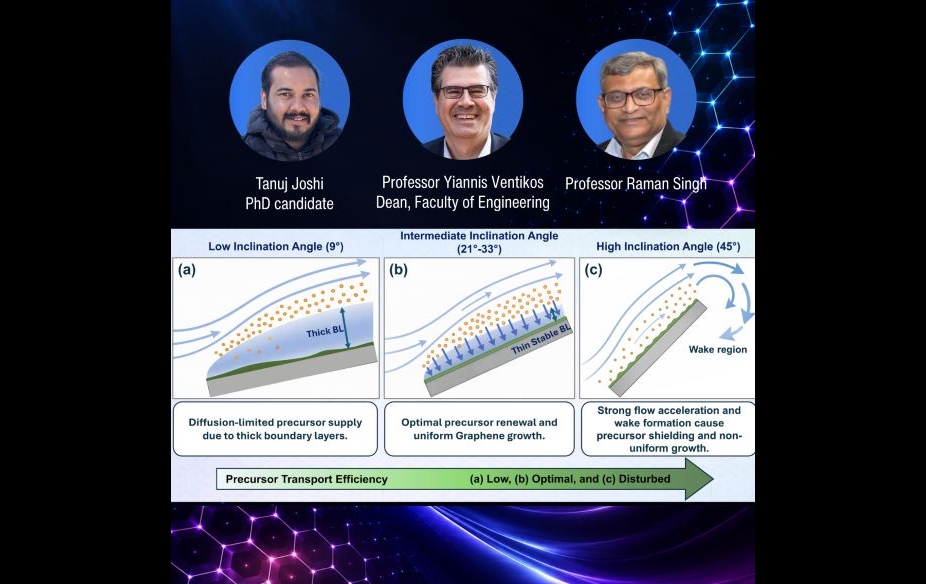
Latest Mechanical engineering news


Ready to apply?
4 years full-time/ 8 years part-time
Starts: February/July
Clayton campus/Malaysia campus
You’re almost there. Find out all you need to know about making an application, including entry requirements, course structure, fees, scholarships, double degree options and more.
How to apply
Chat with us
Book a one-on-one call with an engineering representative to answer any questions you may have about studying Bachelor of Engineering at Monash.