
Robotics and Mechatronics engineering
Bachelor of Engineering (Honours)
ROBOTICS AND MECHATRONICS ENGINEERING
The cutting-edge of creating smarter products, robotic devices and processes
How to applyWhat is Robotics and mechatronics engineering?
Robotics and mechatronics is where mechanical and electrical engineering meet, employing computer control systems to make devices smarter and more efficient.
As a robotics or mechatronics engineer, you could design aircraft avionics for autonomous drones, build robots for industry or medicine, develop systems based on smartphones, or help robots understand human behaviour.

Why study Robotics and mechatronics engineering at Monash University?
You’ll be equipped with the knowledge and skills to design, develop, manufacture and operate the intelligent products and complex systems of today and tomorrow. Benefit from our purpose-built experimental spaces and equipment for robotics researchers, students and industry partners.
TOP 100
in the world for Mechanical engineering and Electrical & Electronic engineering
81.4%
of graduates secure full-time employment within 4 months of graduating
Recognition
This engineering degree is accredited by Engineers Australia
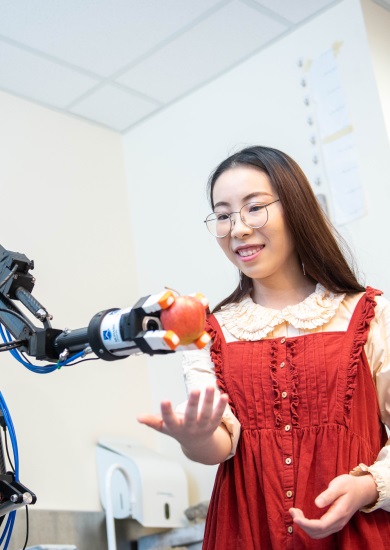
Your pathway to success

Industry based learning
Monash Engineering offers world class industry internships and programs that put you at the top of the employability market.

World-class facilities
Some of the facilities and research centres that will enhance your learning experience include the Woodside building for Technology and Design, Monash Makerspace, Monash Robotics and Monash Vision Group.
Join a student team
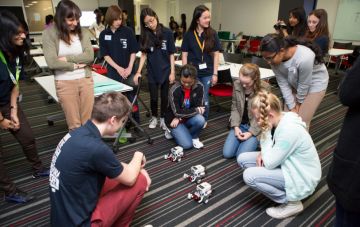
You can join one of the many student teams like Robogals, Monash Motorsport, Monash DeepNeuron or Nova Rover and form lasting friendships, get hands on experience and put your classroom learning into practice.
Your future Robotics and mechatronics engineering career prospects
When you graduate as a robotics and mechatronics engineer, there are opportunities in consulting, management and finance. You may also pursue a career in research and development, in academia, research institutions or advanced industry sectors. Our graduates have gone on to successful careers in top companies including:
- Tesla
- Mitsubishi Electric
- Deloitte
- NASA
- Rocket Lab
- Department of Defence
- Medtronic
- Rio Tinto
- Creature Technology Co.
- PwC
- Dyson
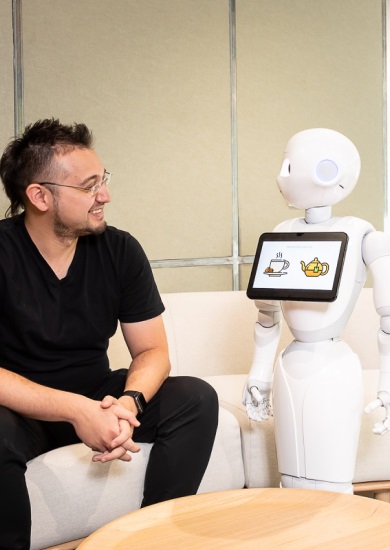
What you will learn in Robotics and mechatronics engineering
You’ll learn how to handle vast amounts of data and create systems that make sense of data in real-time so that a fully automated manufacturing facility can operate safely and efficiently, or a car can drive completely autonomously. You’ll also learn core areas such as:
Artificial Intelligence
Covers neural networks and deep learning, advanced engineering design, computer vision systems, and intelligent robotics.
Automation
Allows you to develop an understanding of manufacturing operations, power systems, and changing technologies.
Computer programming
Introduction to computers and CPU organisation, assemblers and compilers, and algorithm design for engineering problems.
Electronics
The design of advanced analogue building blocks, such as differential amplifier circuits, current mirrors, reference voltage circuits, regulators and operational amplifiers.
Mechanics
Learn all about kinematics, dynamics and strength of materials, including velocity and motion, mechanical vibrations, stress and shear force and bending moments.
Thermodynamics
Concepts of heat, work, energy, temperature and pressure and other related concepts that can be used in refrigeration, renewable energy, heating and electricity generation.
Fluid mechanics
Physical understanding of fluid statics and fluid flow and the interaction of fluid forces with solids, including hydrostatics, boundary layers, measurement techniques and applications.
Digital systems
Modern logic design techniques and hardware used, including decoders, programmable and steering logic, flip-flops, counters, simple analogue and digital I/O interfacing.
Expand your skills with an engineering minor
Artificial intelligence in engineering

Civil engineering

Computational engineering

Intelligent manufacturing
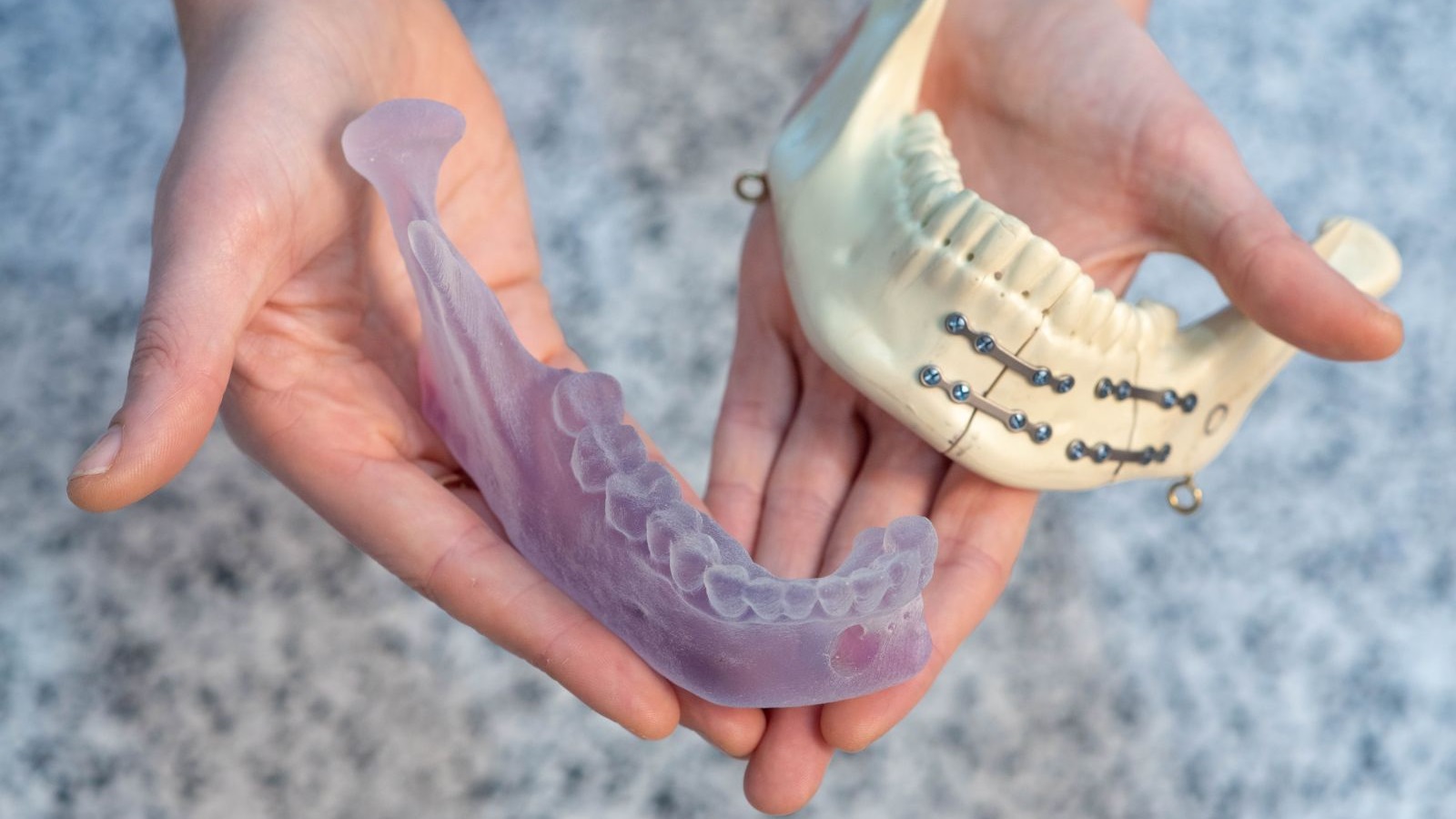
Internet of Things (IoT)

Environmental engineering

Electric vehicle technology
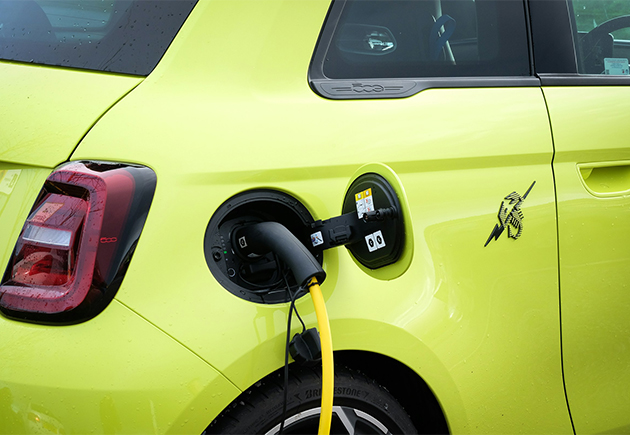
Medical technology
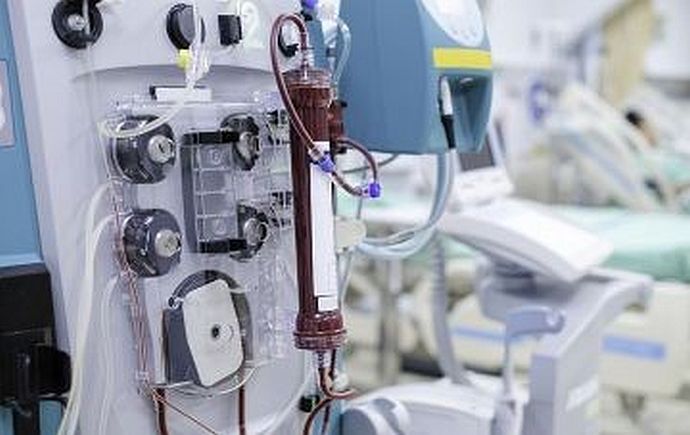
Micro and nano technologies

Mining engineering

Networks for connectivity

Power and energy systems engineering

Renewable energy engineering

Semiconductor
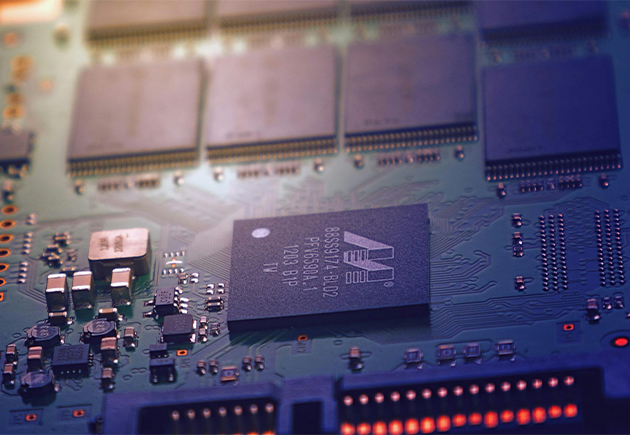
Sensory Systems in Industry 4.0
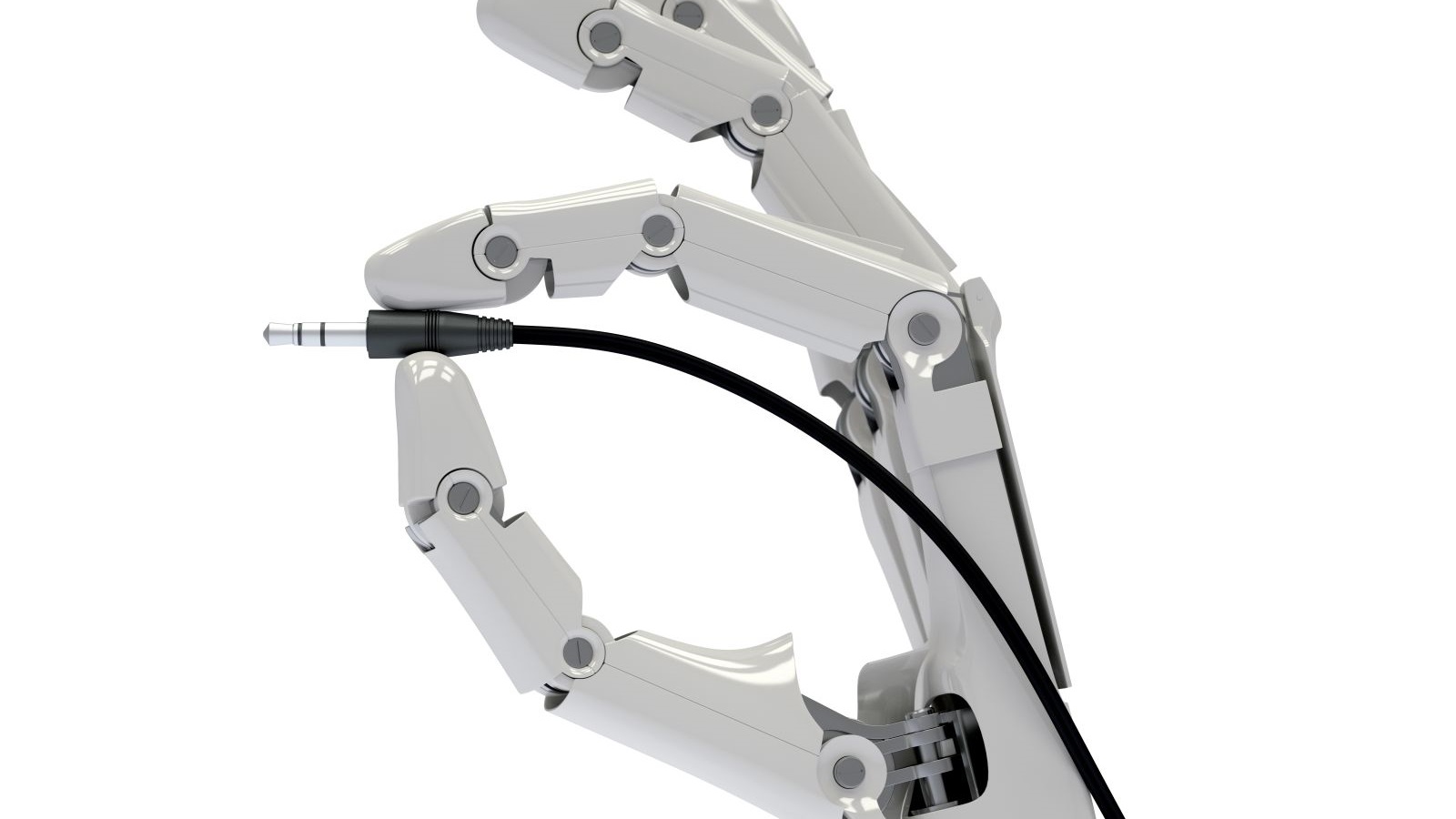
Smart manufacturing

Sustainable energy transition

Sustainable engineering

Telecommunications infrastructure

Transport
Earn two degrees with only one extra year of study
Architectural Design

Arts

Biomedical Science

Commerce

Computer Science

Design
Information Technology

Laws (Honours)

Pharmaceutical Science

Science

Hear from our engineering students
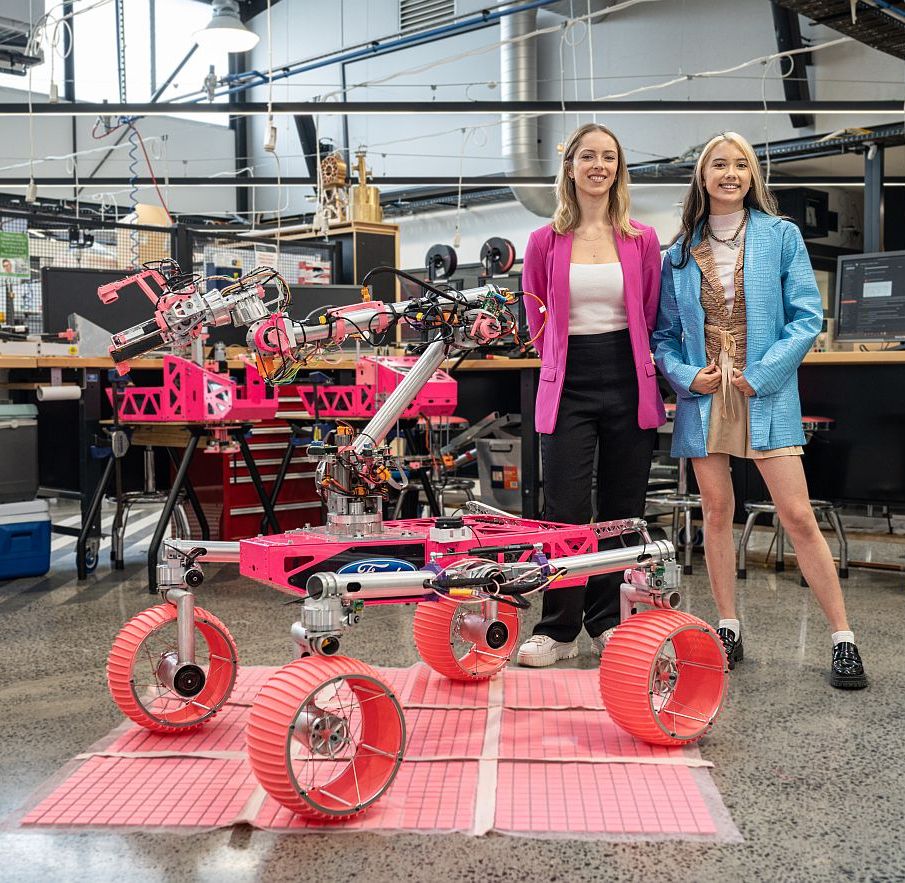
We wanted to start conversations about women in STEM and change perceptions
about who can and should be an engineer. The concept started from chats on social media and landed at turning the Monash Nova Rover competition space vehicle from the traditional grey and orange to a shade of shocking pink! So far the response has been incredible. We can’t wait to roll out the pink rover at competition time and all our outreach events. We don’t just build rovers but rovers that demand action.”
Read Chloe and Rebecca's story
Chloe Chang and Rebecca Leith
Bachelor of Robotics and Mechatronics Engineering (Honours)
Chief Executive Officer Co-Leads, Monash Nova Rover
Latest Robotics and mechatronics engineering news


Ready to apply?
4 years full-time/ 8 years part-time
Starts: February/July
Clayton campus/Malaysia campus
You’re almost there. Find out all you need to know about making an application, including entry requirements, course structure, fees, scholarships, double degree options and more.
How to apply
Chat with us
Book a one-on-one call with an engineering representative to answer any questions you may have about studying Bachelor of Engineering at Monash.