
Materials engineering
Bachelor of Engineering (Honours)
MATERIALS ENGINEERING
A ground-breaking field of research and a thriving job market for aspiring engineers
How to applyWhat is Materials engineering?
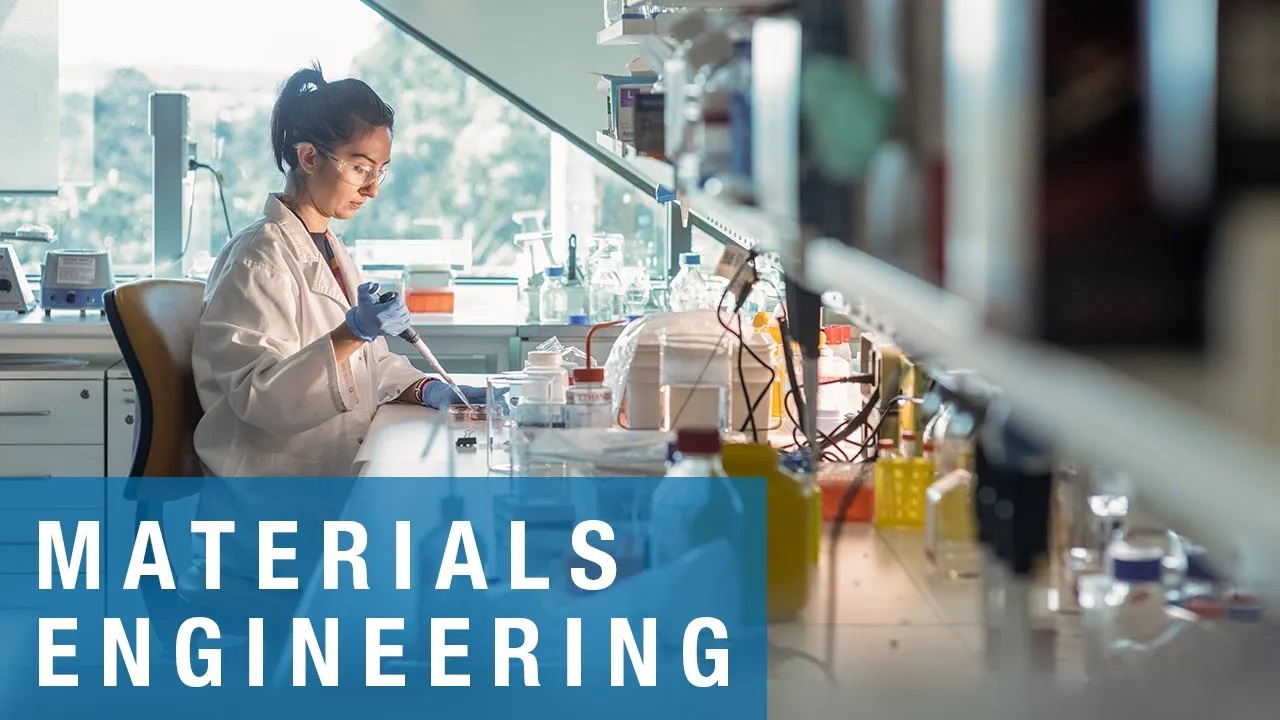
Materials engineering is all about making new materials and improving existing ones. It’s about making things stronger, lighter and more functional, sustainable and cost-effective. It underpins much of engineering – if we want to make things, we need to have materials with the right properties.
As a materials engineer, your expertise will be sought after in the emerging fields of additive manufacturing, nanotechnology, biomedical materials, electronic materials, recycling and energy generation, the development of lightweight metal alloys and in traditional industries such asmetallurgy, mining and infrastructure engineering.
Why study Materials engineering at Monash University?
Demand for materials engineers continues to outstrip supply, with Monash graduates receiving an exceptional response in the employment market. Consistently ranked amongst the best in the world, Monash offers a world-class educational experience for aspiring materials engineers.
#32
in the world and #1 in Australia for Materials Science engineering
81.4%
of graduates secure full-time employment within 4 months of graduating
Recognition
This engineering degree is accredited by Engineers Australia
Your pathway to success

Industry based learning
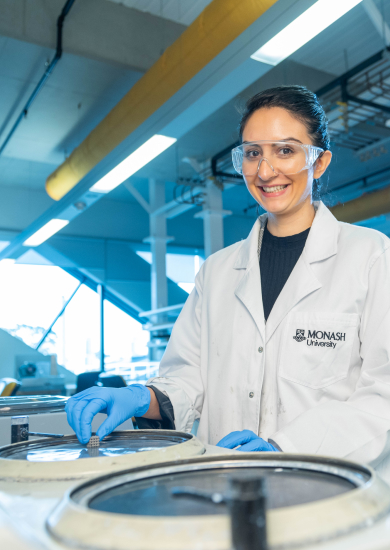
Monash Engineering offers world class industry internships and programs that put you at the top of the employability market.

World-class facilities
Some of the facilities and research centres that will enhance your learning experience include the Woodside building for Technology and Design, Monash Makerspace, Monash Centre for Additive Manufacturing (MCAM) and Woodside FutureLab.
Join a student team
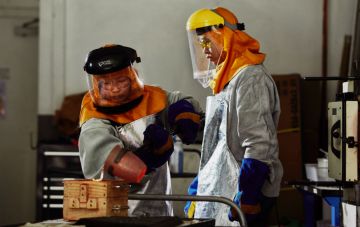
You can join one of the many student teams like Monash Forge, Precious Plastics, Monash Nova Rover or Engineers Without Borders and form lasting friendships, get hands on experience and put your classroom learning into practice.
Your future Materials engineering career prospects
When you graduate as a materials engineer, you will work across a range of exciting industries including aerospace, biomedical, mining, future manufacturing, 3D printing and recycling. Our graduates have gone on to successful careers in top companies including:
- Tesla
- AECOM
- CSIRO
- Deloitte
- NASA
- Department of Defence
- Glaxo Smith Kline
- KPMG
- Dyson
- Woodside
- BASF
- Exxonmobile
- GHD
- Telstra
- BlueScope
- Ford
- Environment Protection Authority
What you will learn in Materials engineering
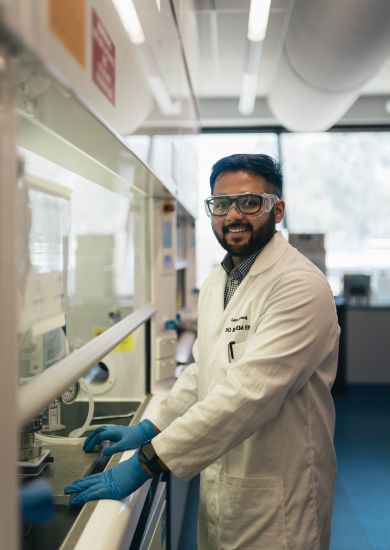
You will explore topics such as crystallography, thermodynamics, biological engineering and solid mechanics.
Look at the applications of materials, concentrating on the unique properties of specific material groups (e.g. polymers/plastics, ceramics, metals, metal alloys), as well as surface properties such as corrosion and adhesion.
Undertake specific studies of the use of real materials in engineering. Materials design and professional skills are also a key emphasis in your final year – as is the major practical research project.
Expand your skills with an engineering minor
Artificial intelligence in engineering

Civil engineering

Computational engineering

Intelligent manufacturing
Internet of Things (IoT)

Environmental engineering

Electric vehicle technology

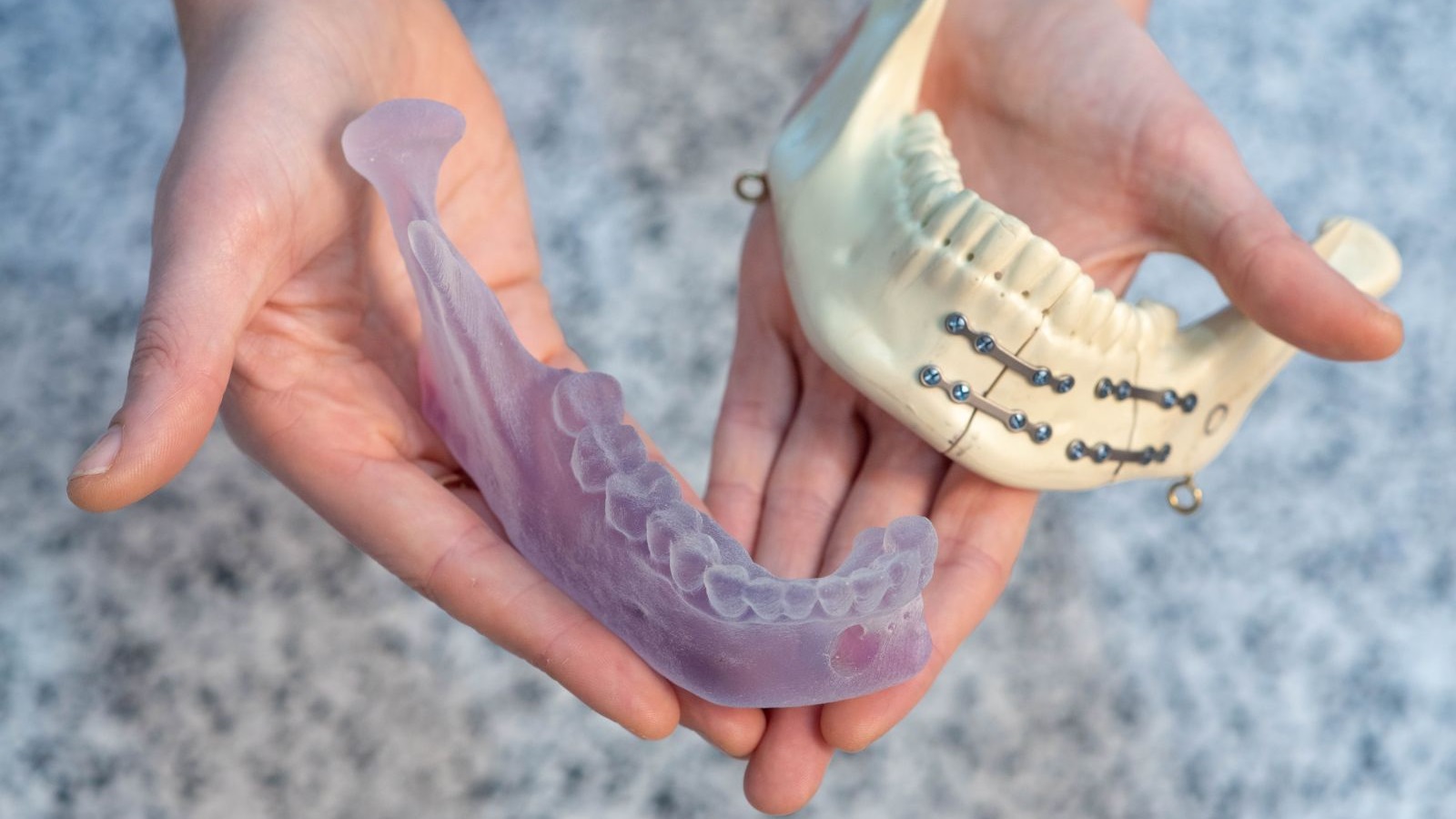
Medical technology
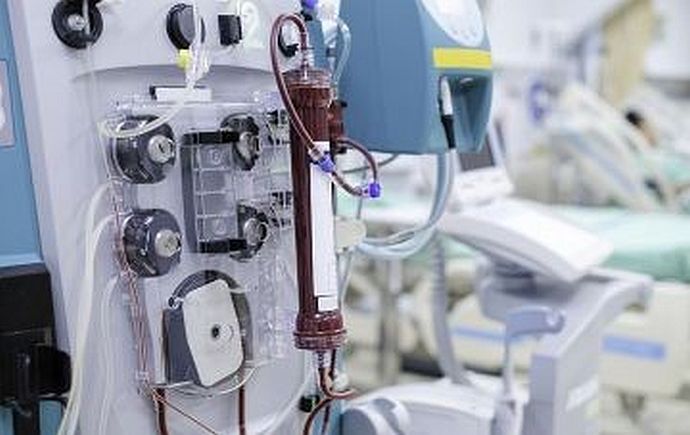
Micro and nano technologies

Mining engineering

Networks for connectivity

Power and energy systems engineering

Renewable energy engineering

Semiconductor

Sensory Systems in Industry 4.0
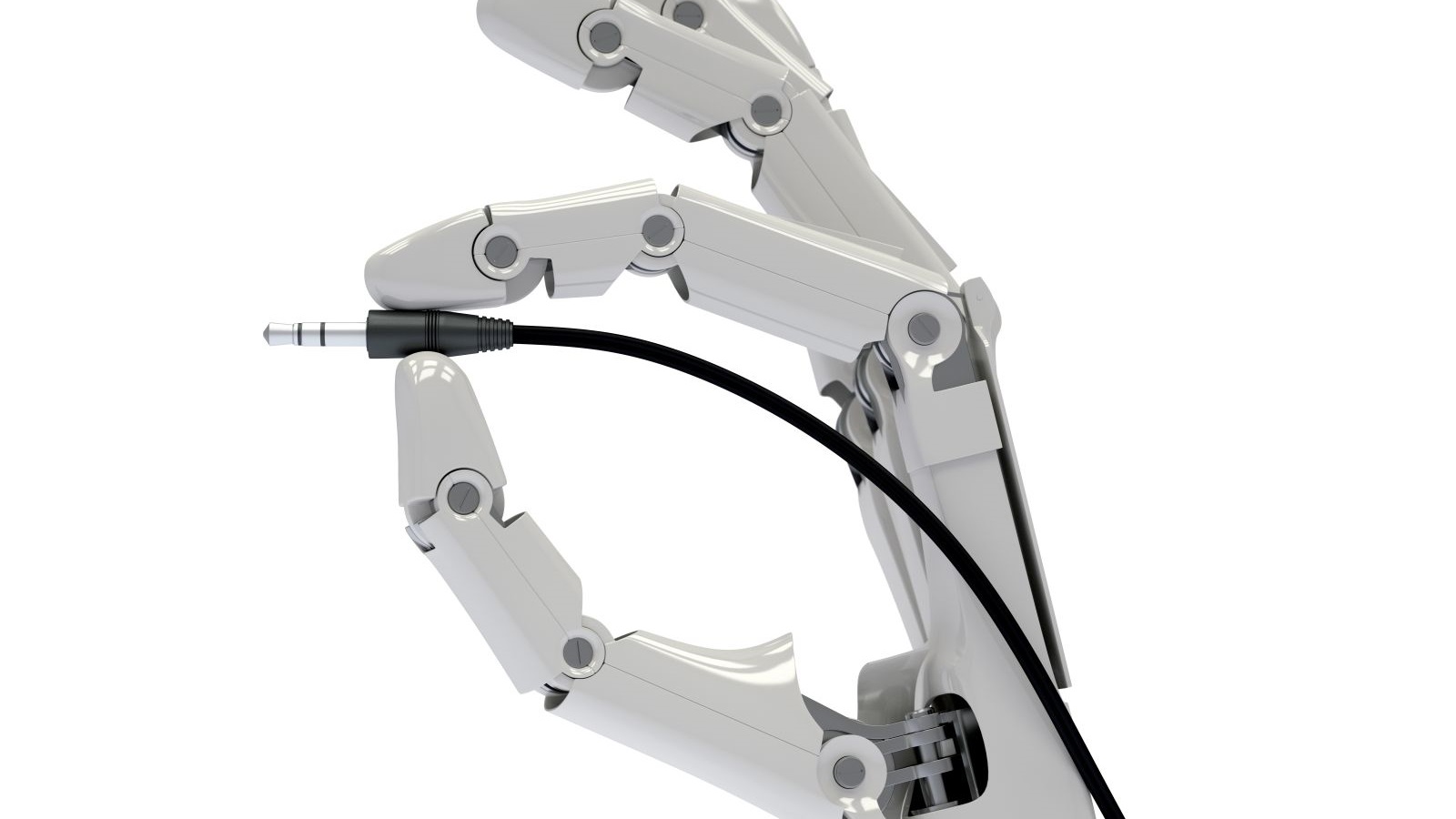
Smart manufacturing

Sustainable energy transition

Sustainable engineering

Telecommunications infrastructure

Transport

Earn two degrees with only one extra year of study
Architectural Design

Arts

Biomedical Science

Commerce

Computer Science

Design
Information Technology

Laws (Honours)

Pharmaceutical Science

Science

Hear from our engineering students
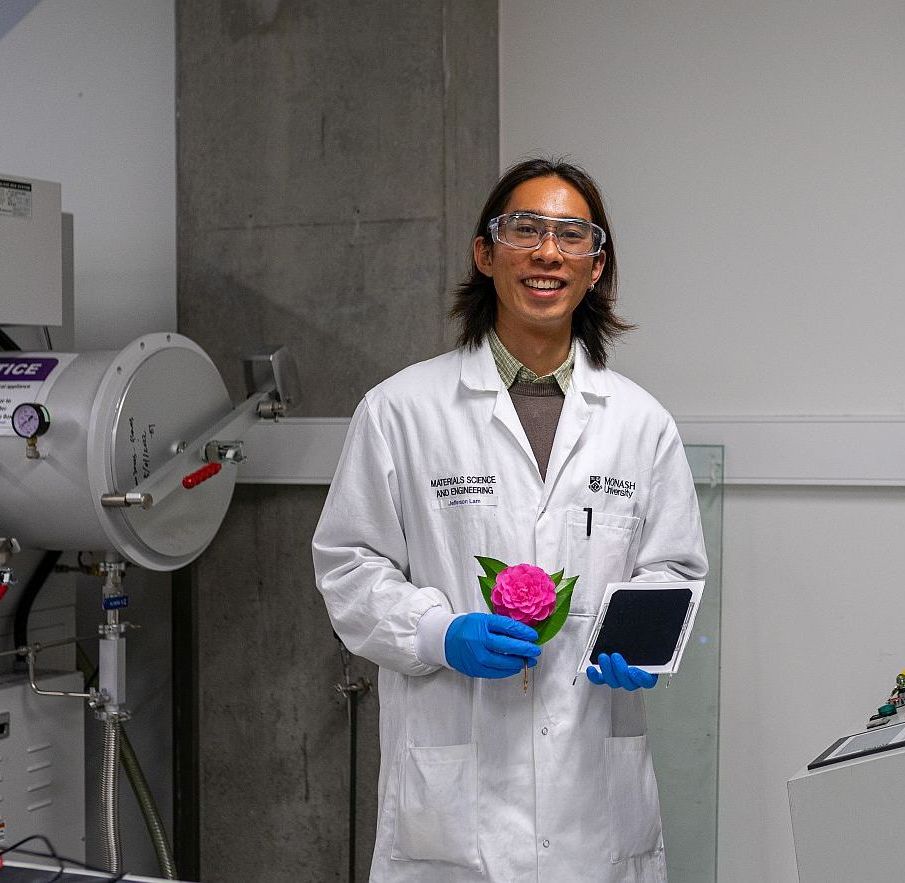
I hope that my research, inspired by plants and their structures, will guide the
next generation of solar panels, so they are more efficient, affordable, lightweight and durable. By probing into the surface structure of plant leaves and discovering how they handle light so efficiently while also being weather resistant, we can begin to replicate similar structures onto solar panels. I dream that one day I’ll look
out my window and see solar panels on rooftops, cars, and building facades, all thanks to my research efforts.”
Read Jefferson's story
Jefferson Lam
PhD Student (Materials Science and Engineering)
Bachelor of Materials Engineering (Honours) and Bachelor of Science
Ezio Rizzardo Polymer Scholarship, Australian Academy of Technology and Engineering
Latest Materials engineering news




Ready to apply?
4 years full-time/ 8 years part-time
Starts: February/July
Clayton campus
You’re almost there. Find out all you need to know about making an application, including entry requirements, course structure, fees, scholarships, double degree options and more.
How to apply
Chat with us
Book a one-on-one call with an engineering representative to answer any questions you may have about studying Bachelor of Engineering at Monash.