From Impact to Interaction: Posters with AR
About this example
Dr. Racheal Louis Vincent designed an authentic learning experience that bridges classroom knowledge with industry practice. For the "Digital Poster with Augmented Reality (AR) Features" assessment, students collaborate with an industry partner to select real products to promote. They design impactful digital posters enhanced with augmented reality features, preparing them to become future-ready and digitally capable graduates.
Faculty of Business and Economics
-
Teaching MKM2300 Introduction to Digital Marketing has always been about more than understanding concepts. It is about equipping students with the digital literacy skills they need to thrive in today’s evolving business environment. Future graduates are expected to be creative, adaptable, and confident in using digital tools to communicate effectively.
I designed this assessment, Digital Poster with Augmented Reality (AR) Features, to give students the opportunity to translate classroom knowledge into practical, industry-relevant outcomes. Students are challenged to create content that is not only visually impactful but also immersive and engaging for audiences. By integrating augmented reality elements into their digital posters, they learn how technology can enhance storytelling, strengthen brand communication, and create memorable user experiences. The project challenges them to combine creativity, strategic thinking, and technology to produce immersive marketing content.
-
Learn the Technology First- Spend 2-3 hours exploring the AR tool yourself before teaching it
- Create one complete example from start to finish
- Test on different devices (phone, tablet, computer)
- Note any problems you encounter and how to fix them
Focus on Learning Outcomes, Not Technical Skill- Write learning outcomes that don't mention the tool
- Example: "Students will develop marketing strategy" NOT "Students will create AR"
- Make learning outcomes worth 60-70% of the grade
- Make technical execution worth only 20-30% of the grade
Provide Examples at Multiple Levels- Show students an "Excellent" example
- Show a "Good" example (solid but not perfect)
- Show a "Satisfactory" example (minimum requirements)
- Explain what makes each one that level
Use Free and Accessible Tools- Choose 1-2 free tools maximum (don't overwhelm students)
- Check the tool works on student devices (Windows, Mac, mobile)
- Provide 2-3 free alternatives in case students can't access primary tool
- Create a resource document with tutorial links for each tool
Design Clear Written Instructions- Write step-by-step instructions
- Use simple language, avoid jargon
- Have someone test your instructions before giving them to students
Encourage Creativity and Experimentation- Create a low-stakes practice task (ungraded or 5%) in Week 2 Tutorials
- Tell students: "Try something. It doesn't need to be perfect."
- Give students choice within the assignment (which product, which audience, which AR effect)
- Let them make creative decisions justified by strategy, not just decoration
Require Video Documentation of AR Experience- Require students to submit a 30-60 second video showing:
- QR code being scanned
- Full AR experience working
- Explain why: "AR apps expire. Without this video, I can't fairly grade your AR work weeks later"
- Provide a simple tutorial showing how to record on iPhone/Android
- Make video documentation worth 10% of grade (optional)
Troubleshoot Common Issues in Advance- Create a one-page FAQ document based on problems you encountered
- Share this document on Week 1
-
The results of this assessment were highly positive, with students producing creative and professional digital posters that combined impactful visuals with immersive augmented reality features. Many successfully transformed product promotions into engaging interactive experiences, showing both technical skills and strategic marketing understanding. The collaboration with an industry partner also motivated students to deliver work aligned with real-world expectations.
The impact on students was significant. They gained hands-on experience with digital tools and emerging technologies valued by employers, while developing creativity, teamwork, communication, and problem-solving skills. Working with actual products helped them better understand branding, consumer engagement, and practical marketing strategies.
What inspires me most is seeing students move beyond traditional assignments and produce meaningful work with direct industry relevance.
-
ESFSS student - Semester 1, 2026
“In this unit, applying concepts to real marketing examples has been the most effective for my learning. Analysing actual brands and campaigns helped me better understand how digital marketing strategies work in practice. In addition, working on the poster and AR video assignment improved my creativity and ability to communicate ideas clearly"
-
ESFSS student - Semester 1, 2026
“I have an interest in marketing so the assignments such as making a poster have really been helpful towards both my interest and in learning this unit”
-
ESFSS Student - Semester 2, 2024
“The assignments are related to real world issues. I like that I can learn augmented reality”.
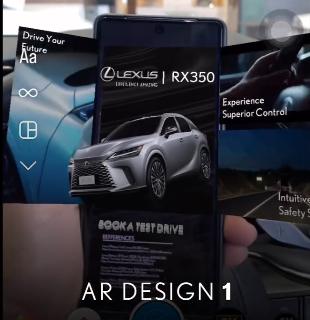
Example of students work
-
Try it out
This exemplar is complex to implement.
Recommended resources and training:
- Collaboration with an industry partner
- Example assessment instructions
- Example assessment rubric
-
A key strength of this project is the collaboration with an industry partner who aims to promote its products through fresh and engaging digital content. The partner provides a selection of products for students to choose from, allowing them to work with real brands and real marketing challenges. This gives students valuable exposure to client expectations while encouraging them to think strategically about target audiences, branding, and promotional messaging.
-
My advice would be to first identify an industry partner who is open to collaboration and willing to provide products or real marketing challenges for students to work on. Having an authentic client adds purpose, motivation, and real-world relevance to the assessment. Start by reaching out to local businesses, SMEs, or brands that may benefit from fresh promotional ideas. Also, having students visit the industry’s partner retail store or retail stockist that carry the products is important. This gives students Learning Outside the Classroom experience.
Secondly, take time to explore and learn how to create augmented reality content yourself using free and accessible AR tools before introducing it to students. Familiarising yourself with the technology will help you design clearer instructions, troubleshoot issues, and guide students with confidence.
It is also important to keep the project manageable by focusing on learning outcomes rather than technical complexity. Encourage creativity, experimentation, and problem-solving, while providing examples and milestones throughout the process. With the right support, students can produce highly engaging work while building valuable digital skills for the future.
Supporting resources
Here are some additional resources that you can browse to help you implement this assessment.