Following on from a qualitative study exploring how biomedical science teaching impacted medical students’ professional identity development, I had to face some hard truths.
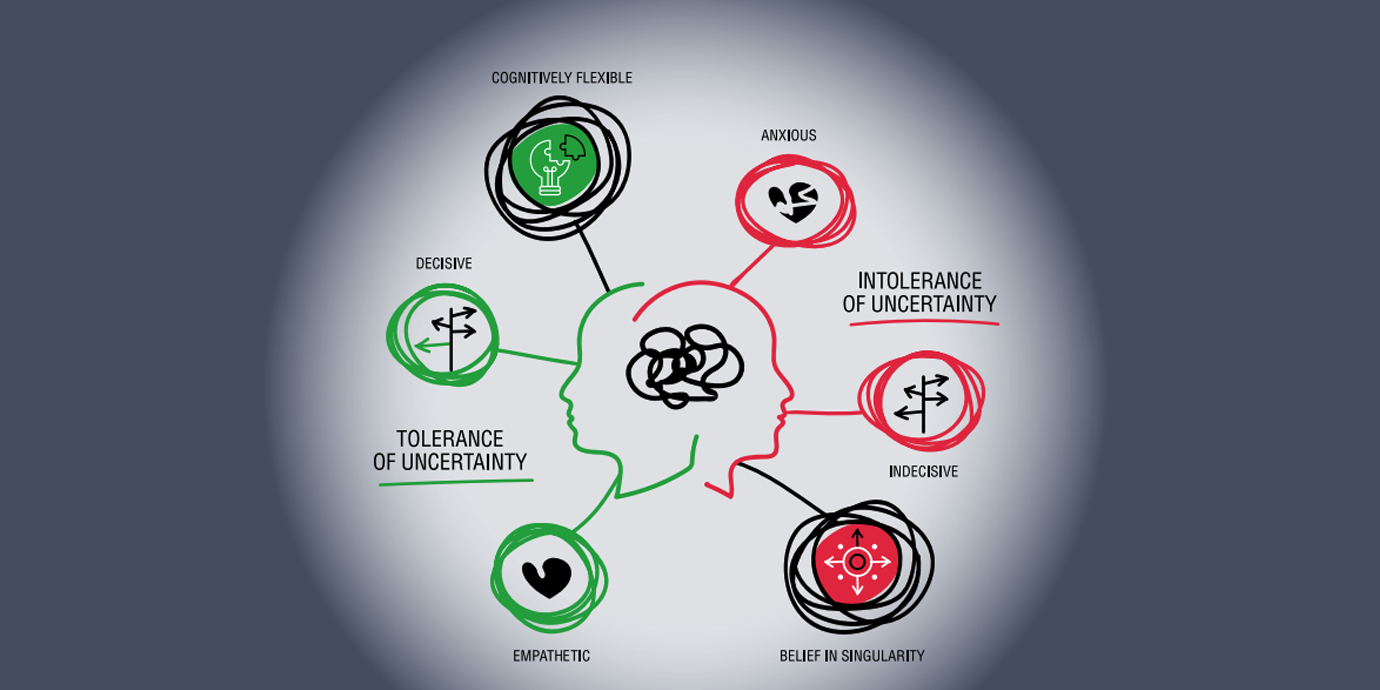
The way I was teaching anatomy was having a negative impact on a key healthcare professional identity attribute – that of uncertainty tolerance.
Students were internalising the idea that science is all known – and knowable – and they believed that if they didn't ‘know it all’ they would harm their future patients. This was openly suggestive of an intolerance of uncertainty.
The reality is that their future healthcare work is filled with uncertainty – that many of the decisions they will make in their careers won’t have a clear-cut right or wrong. The more I learned, the more I realised just how important it was for these students to learn to manage, and become tolerant of, uncertainty.
The evidence was clear: those less tolerant of uncertainty were more likely to unnecessarily order diagnostic tests, had decreased capacity to engage in patient-centred care, were more likely to experience psychological distress and burn out, and less likely to be satisfied in their careers.
I knew I needed to urgently change the way we taught clinical anatomy to foster, instead of hinder, students’ development of uncertainty tolerance.