Reinvigorating the Viva Voce
Try it out

This exemplar is a bit more complex to implement.
Recommended resources and training:
Supporting resources
Here are some additional resources that you can browse to help you implement this assessment.

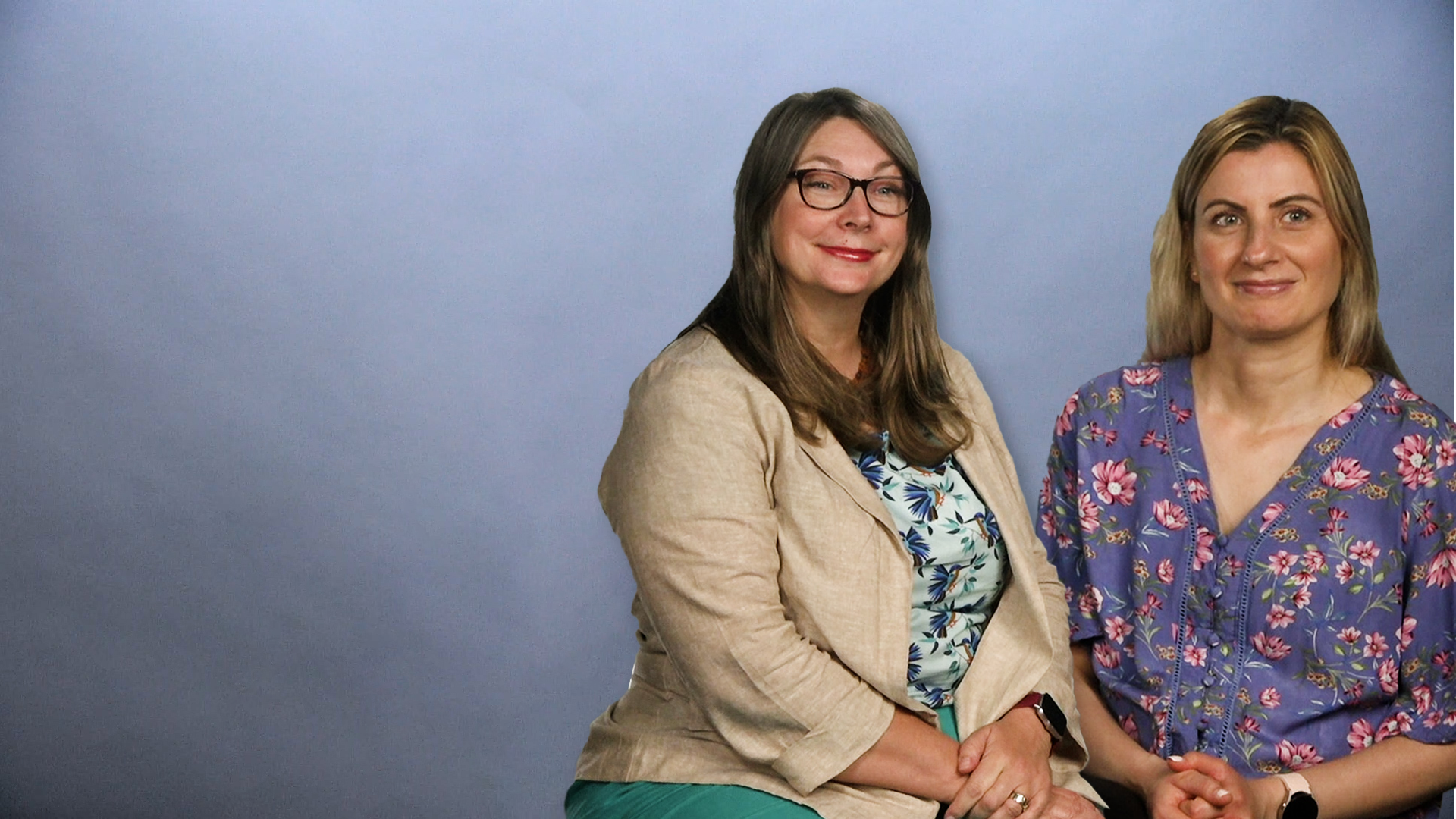
Angelina Piccolo and Caroline Wright discuss how they designed an authentic final assessment task for a postgraduate Master’s unit. With the assistance of expert clinical practitioners, they created realistic scenarios and facilitated a Viva Voce expert panel to simulate an interdisciplinary clinical conversation.
We aimed to create an authentic task that would assess the culmination of the student’s learning and capability development at the end of the two-year Master course. Our students are radiation therapy practitioners enrolled in the Master of Advanced Radiation Therapy Practice. Radiation therapists are responsible for the design and delivery of radiotherapy for cancer patients. Since these students are training to become Advanced Practitioners, they need to be able to communicate complex ideas clearly and confidently. We designed an assessment that allows students to critically analyse and discuss advanced practice within their professional field with a panel of experts.
The viva voce assessment was designed to simulate routine interdisciplinary conversations that occur in real-world clinical practice, where practitioners must provide a rationale for their clinical decisions and discuss potential outcomes.
To ensure authenticity, we co-created scenarios with expert panel members, including a radiation oncologist, a senior radiation therapist, and a radiation oncology medical physicist, each of whom is a practicing clinician. During the viva voce assessment, students receive immediate verbal feedback from the panel members, mirroring the real-time feedback they would get in clinical practice. This dynamic interaction between students and the panel creates a close-to-authentic environment that allows students to demonstrate the clinical reasoning, reflection, and self-confidence required of Advanced Practitioners.
In designing the assessment, we considered what could be achievable within the online synchronous environment and the duration of the assessment. The Master of Advanced Radiation Therapy Practice is primarily delivered online, with one work-integrated learning unit that students can undertake through work-based learning in their clinical practice environments. Since the students are located across various interstate and international locations, conducting the viva voce online ensures a fair and consistent assessment experience for everyone and enables the engagement of candidates and examiners from across the world, increasing the examination’s professional focus. The synchronous online format minimised the likelihood of academic misconduct, and questions were randomly allocated to students to maintain academic integrity, ensuring no student received the same question.
We conducted research on existing case scenarios and best practices for running a viva voce assessment. A key strength was the co-design of the questions with the expert practitioner panel members.
 | We thoughtfully selected panel members who we knew from our professional networks and who also had previous involvement in the course delivery or association with Monash. This collaboration ensured that the questions were grounded in contemporary clinical practice to meet the needs of both students and the profession. |
 | Coordinating the panel required significant effort. We provided panel members with plenty of notice and worked with them to schedule a suitable time for the assessment. During the preparation process, we held a meeting prior to the actual viva to ensure all panel members were familiar with the students’ level of understanding and our expectations for the process. |
 | To prepare students, we organised a mock viva voce panel. This allowed everyone to become familiar with the format and expectations, as well as identify any potential issues. We provided students with clear instructions, example questions, and a rubric well in advance so they knew what to expect. The panel also provided feedback during the mock session to help students reflect on their performance and prepare for the actual assessment. |
 | Acknowledging the students’ anxiety and being there to support and provide them with feedback in a sensitive manner was important for their wellbeing. |
 | Close attention to logistics and technical requirements was also part of this preparation phase. |
We believe the assessment successfully demonstrated students’ clinical reasoning, reflection abilities, and communication skills in a setting that closely mirrors real-world practice, enhancing authenticity. The viva ran smoothly, with all of our students passing with a high degree of success. We allocated 20 minutes for each student, followed by a ten-minute debrief with the panel, during which we recorded verbal feedback for the students and completed each student’s rubric. Post-assessment survey responses from the students indicated their appreciation of the preparation and support that we provided. The mock viva voce was crucial in preparing students, ensuring the actual assessment was seamless.
This exemplar is a bit more complex to implement.
Recommended resources and training:
To set up a similar assessment, consider the following steps:
Our advice for those considering an online viva voce panel is to approach it thoughtfully and with careful planning:
Here are some additional resources that you can browse to help you implement this assessment.