
Home helper robots: Understanding our future lives with human-like AI
Understanding and planning for the social effects of embedding ‘cute’ home helper robots into people’s everyday lives.
This Future Fellowship project aims to understand and plan for the social effects of embedding ‘cute’ home helper robots into people’s everyday lives. The project is expected to generate new knowledge and resources to understand and respond to the emerging opportunities and risks associated with home helper robots, including their ability to support household tasks, and to provide child and aged care and companionship. Expected outcomes include an improved understanding of anthropomorphised robots in everyday life and innovation in home helper robot theory and imaginaries. This should provide benefits such as informing robot design and policy to improve social outcomes, consumer protections and human-robot relationships.
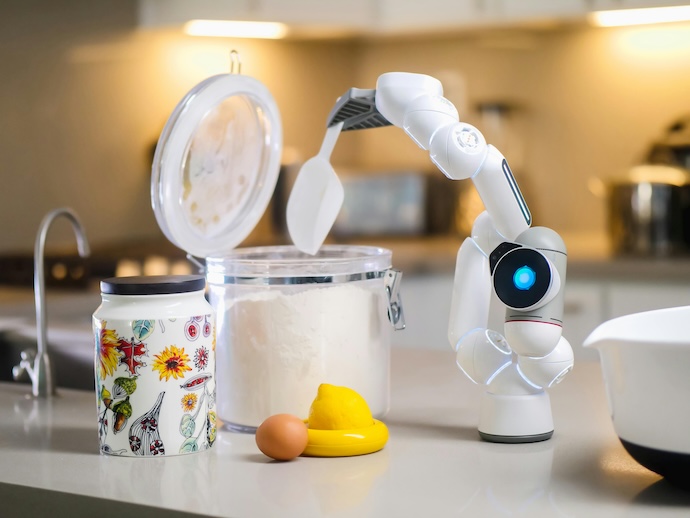
The project is organised around four objectives and stages delivered across four years (2025-2029):
- Identify how industry visions and assumptions shape the aesthetic design and use of home helper robots and inform the relationships people develop with them (Stage 1 and 2)
- Understand the current and potential roles and risks for home helper robots in people’s everyday lives (Stage 3)
- Provide the theoretical and methodological innovation needed to understand the growing importance of human-like AI and anthropomorphised robots in everyday life (Stage 2 and 3)
- Generate a new resource of digital sociological knowledge to guide the development of home robots and AI (Stage 4)
Stage 1 involves digital ethnography narrative analyses of industry visions represented in publicly-available promotional videos, public demonstrations and talks, websites, and marketing materials on home helper robots. This stage also involves ethnography at international trade shows and museums depicting curated visions and spectacles of future home robot imaginaries.
Stage 2 involves a digital ethnography analysis of home robot ‘unboxing’ videos on social media platforms to examine the cute aesthetic and initial impressions and expectations during these first encounters.
Stage 3 involves short-term ethnography (observation, video activities, interviews and design futures activities) with three cohorts of households living and interacting with home robots. Cohorts include older adult households (65+), families with children under 12, and early adopters of home helper robots.
Stage 4 will deliver innovation in human-robot theory and design through synthesis and cross-analysis of the previous research stages.
Visit the Home Helper Robots project page
“This project is uniquely poised to identify opportunities and risks posed by emerging home robots and anthropomorphised AI. It will investigate our evolving relationships with human-like AI and what that means for human practices involving care, intimacy and social interaction.” Professor Yolande Strengers
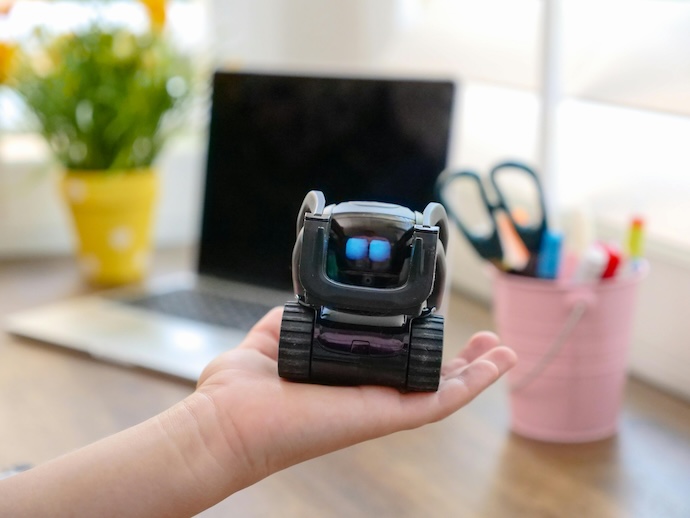
Research team
Professor Yolande Strengers, Dr Jessie Liu
Funding body
Professor Yolande Strengers is the recipient of an Australian Research Council Future Fellowship (project number FT230100021) funded by the Australian Government
Media