

Providing opportunities for children to think critically, ask meaningful questions, and express their findings creatively has never been more important. Research and storytelling through film are powerful tools for young learners to explore complex topics, engage with the community and build confidence.
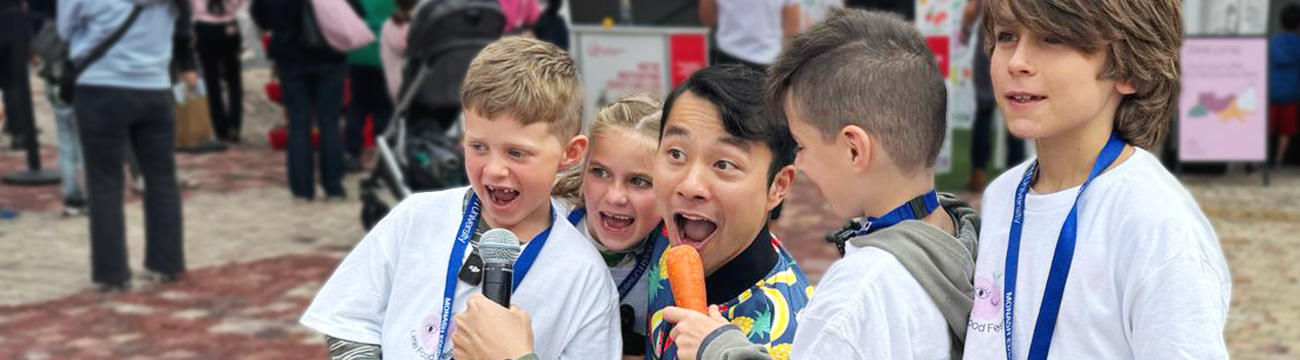
The Little Food Researchers project, piloted by Monash University in 2024 at the Little Food Festival in Melbourne, demonstrated how primary school students can become active investigators – interviewing experts, parents, and peers to uncover insights about food and sustainability.
By exploring the Little Food Researchers project’s approach and outcomes we can provide practical strategies for teachers looking to bring similar experiences into their classrooms.
Filmmaking as a learning tool
Filmmaking and digital storytelling are powerful educational tools that help children share their experiences and knowledge *1. Since the 1980-90s, the Children’s Rights Movement has bolstered children’s participation as active learners, rather than passive recipients.
Adopting participatory learning projects - where students are actively engaged in the research and learning process respects the cultures of childhood to shape narratives and, at times, influence decision-making.
With easier access to filmmaking tools, educators and students can create meaningful, community-led content* which enhances their agency and highlights children’s unique perspectives.
The Little Food Researchers – a case study
Research first
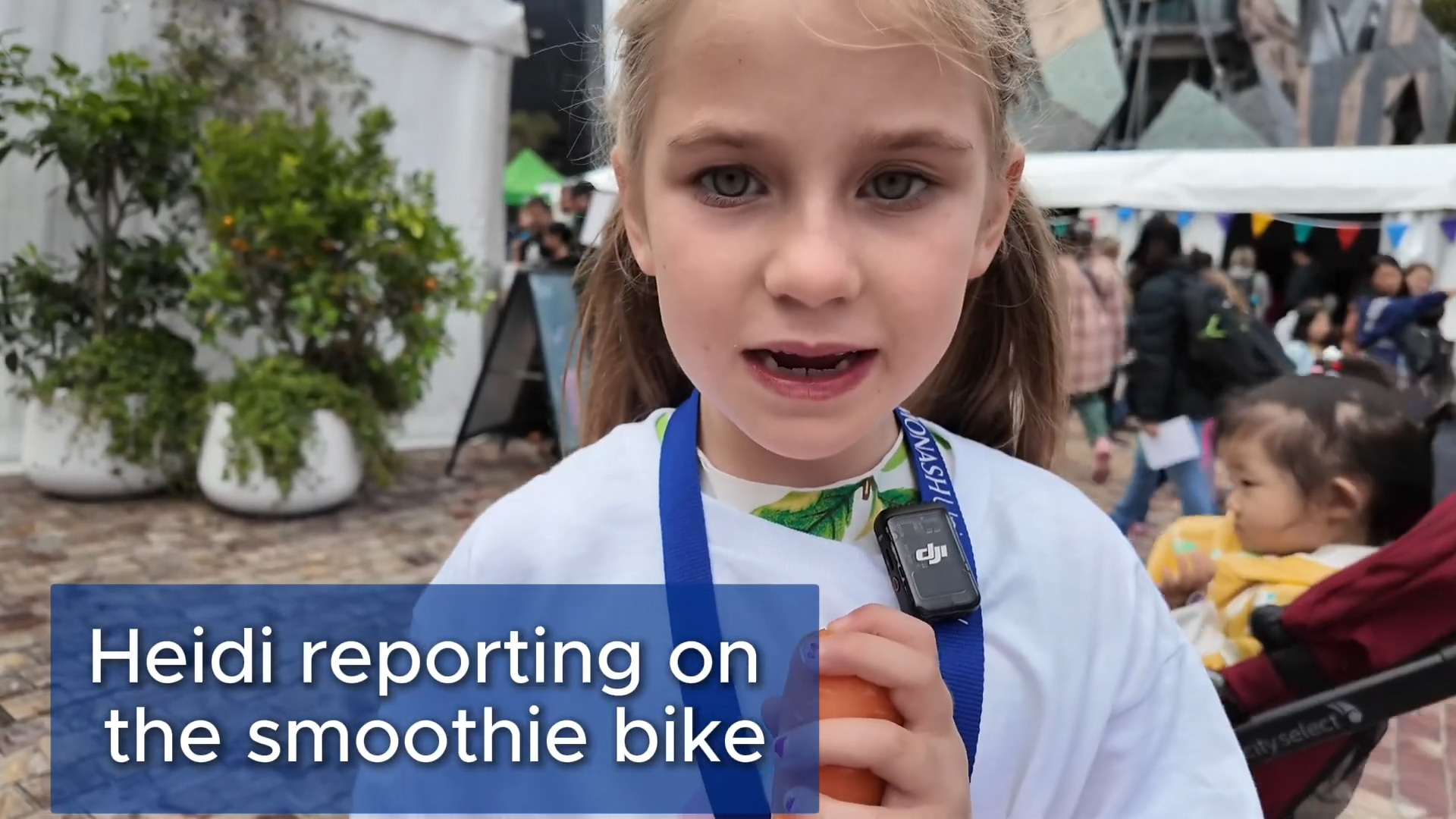
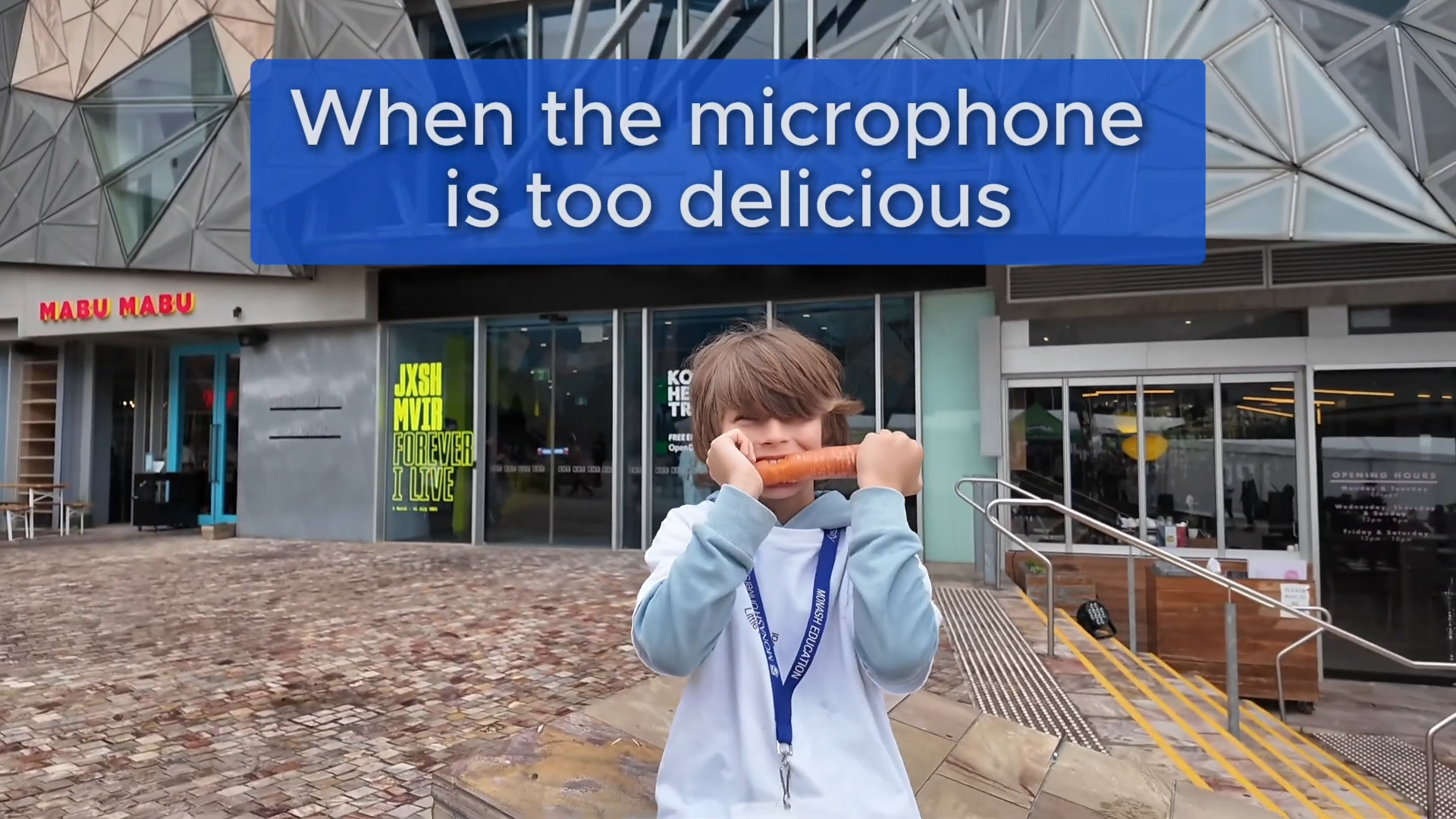
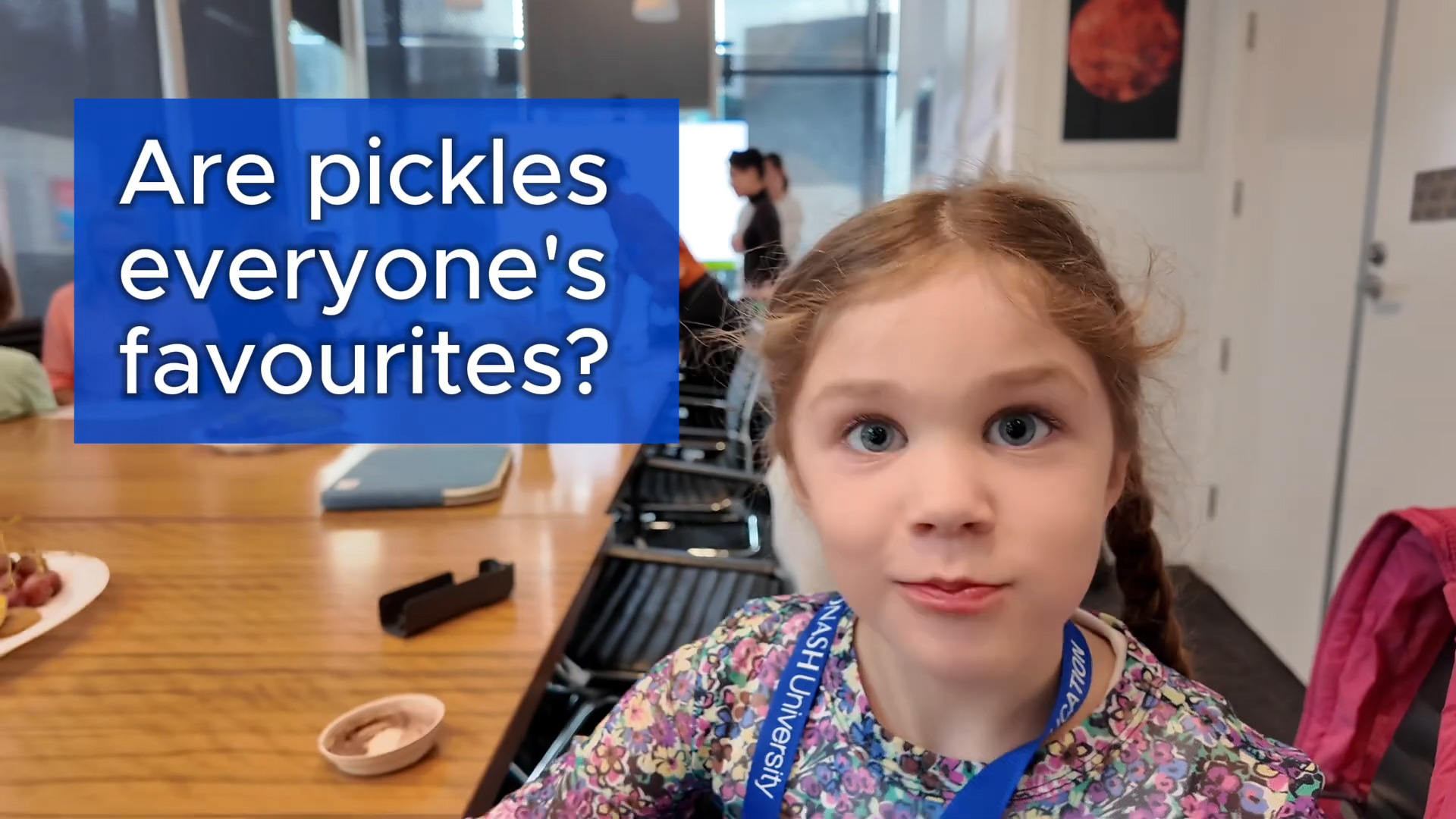
The Little Food Researchers initiative focused on student-led learning, where students conducted research and presented findings through digital storytelling. Some projects use students as presenters, like Gardening Australia Junior, to engage young audiences. However, Little Food Researchers emphasised the research and filmmaking process rather than the final presentation. The students acted as filmmakers and researchers - designing questions, conducting interviews, and documenting their learning at the food-education festival. Beyond learning about growing, buying, cooking, and reducing food waste, they developed essential skills in inquiry, collaboration, and storytelling.
The learning experience: Beyond the camera
The students were introduced to the technical and creative aspects of filmmaking. Some little researchers gravitated toward behind-the-camera roles, while others preferred being in front of the camera as interviewers.
The approach blended structured learning outcomes with opportunities for experimentation. Children developed skills in journalism and research, such as obtaining consent, formulating questions, and gathering data through film.
Once they grasped these foundational skills, they explored spontaneous creativity and taking conversational risks, using film to examine food literacy, cultural traditions, and the values embedded in food systems. They developed empathy and confidence connecting with diverse peers, community and professionals.
The students retained ownership of their content. The film footage was returned to them, and they could review their work and provide feedback on their favourite and least favourite clips. This reflective process helped reinforce learning and self-expression.
The Little Food Researchers in action
Tips for engaging children as researchers through film
1 Explore research topics and develop inquiry questions
Discuss different types of research and data collection methods. What data would children like to gather? What stories do they want to tell? It could be for example, conducting place - or event-based walkthroughs to explore (for example) food environments and food advertising or talking to key adults or experts in the community about food systems.
2 Introduce research concepts
Explain research as the process of answering questions by gathering information, analysing it, and gaining insights for decision-making and storytelling. Highlight key elements such as methodology, ethics, data collection, analysis, and reporting.
3 Discuss ethics early
Teach students how to obtain consent from peers and adults before filming as well as issues of privacy (what is OK to share) and kindness in storytelling.
4 Review and watch clips together
Let students decide what they want to share, consider the sequence of clips, including voice overs, images or drawings and music. Collaborate with a filmmaker or media teacher to help the editing process and consider the audience/ screening of the clips to peers, family, community and decision makers.
example research prompts
School Lunches
- What foods are important to our families and cultures?
- Trace the supply chain of your lunchbox food – where does it come from, what are the origins of the ingredients?
- How can we improve our school eating experiences (e.g. time for eating, cooling and heating food, school canteen and school meals)?
Growing Food
- What edible plants are growing in our school and local community?
- How do seasons affect what we can grow and what edible plants thrive where we live?
- What stories do people in our community have about growing food?
- What would a dream school food system look like?
1 Define and offer flexible roles
Children can practice narrating the research (journalistic role) or filming (technical role). These roles work together to support the storytelling process allow them to swap and gravitate to their interests
2 Filming equipment
Practice shots, explore angles, let them experiment. The Osmo Pocket 3 (used in the Little Researcher project) is good for its image stabilisation and audio quality, along with wireless microphones. GoPros are also excellent options to minimise other screen distractions that using phones or tablets might spur.
3 Prioritise quality over quantity
Encourage children to focus on capturing meaningful content rather than filing too many clips. Simultaneously, focus on the story rather than the footage being perfect.
Interviewing techniques
(Adapted from Alice Zaslavsky’s workshop with The Little Food Researchers in 2024)
How to position your body when interviewing people
Maintain eye contact, stand in an open posture, and avoid putting hands in pockets. Use gestures.
Managing nervousness
Shake out any nerves before filming – imagine “setting the butterflies free.”
Listen actively
Instead of verbal affirmations (e.g., “yes,” “hmm”), show engagement through nodding and eye contact to avoid disrupting the audio recording.
How to find the right interview subjects
Look for people who have a good vibe/energy or are naturally curious about the project. They don’t have to be camera ready, sometimes it’s refreshing to get people who are less camera ready.
Structuring an interview
- Start by introducing yourself, the location, and the interviewee’s name.
- Signal the end with a simple “thank you.”
- Ask open-ended questions to encourage thoughtful responses (e.g., “Tell me more about…” or “Why do you think that?”).
- Follow the conversation naturally rather than rigidly sticking to a script.
- If someone rambles, tactfully cut them off after a breath and refocus the conversation on their main point.
Conclusion
Engaging children as researchers, filmmakers, and storytellers, is a unique opportunity to critically engage with a particular topic, in this case study it was food systems, while building essential research, communication, and technical skills. Whether in a festival setting or a classroom project, student-led media nurtures agency, curiosity, creativity, and a deeper understanding of the world.
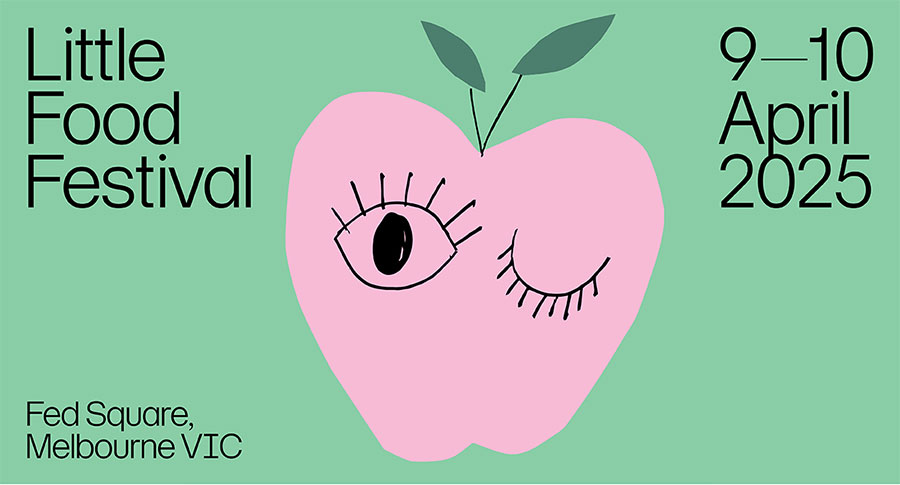
The Little Food Festival is on 9 & 10 April 2025 at Fed Square and is a free event in the school holidays.
We would like to thank the children and the families for their enthusiasm and ideas throughout the project. We thank Catherin Laurens, a former Monash M.Teach student, who was a terrific project worker with the little food researchers.
Thanks to Kunyung Primary School and Principal, Kim Jackson, for your generous support of this project.
Resources
Little Food Festival – a free event co-founded by the Sandro Demaio Foundation and Monash University at Fed Square in Melbourne. Designed for children aged 5–12, the festival explores key food system concepts—growing, buying, cooking, and reducing food waste—through interactive, hands-on activities.
Curious Feast showcase (2018) – our pre-service teachers explored food knowledge and skills through film-based assessments.
VCAA Farm to Fork Making a Documentary Unit of Work Levels 5 & 6
Vic Health - Building Better Food Systems for Healthier Communities
ABC: Every Bite - Little lunch, big impact — Making a meal of school lunches
ABC: The Conversation Hour - Why kids need to understand food systems
ACMI Film it: the filmmakers toolkit
Reference
Angelöw, A., & Psouni, E. (2025). Participatory Research With Children: From Child-Rights Based Principles to Practical Guidelines for Meaningful and Ethical Participation. International Journal of Qualitative Methods, 24, 16094069251315391.
Baumann, S. E., Merante, M., Folb, B. L., & Burke, J. G. (2020). Is film as a research tool the future of public health? A review of study designs, opportunities, and challenges. Qualitative Health Research, 30(2), 250-257.*1
McManus, S., Pendergast, D., & Kanasa, H. (2025). The Intersection Between Food Literacy and Sustainability: A Systematic Quantitative Literature Review. Sustainability, 17(2), 459.
Staal, H., Rasch, M., Gijsen, J (2024). Hands on research for artists, designers and educators. Vilnius LT: Set Margins’