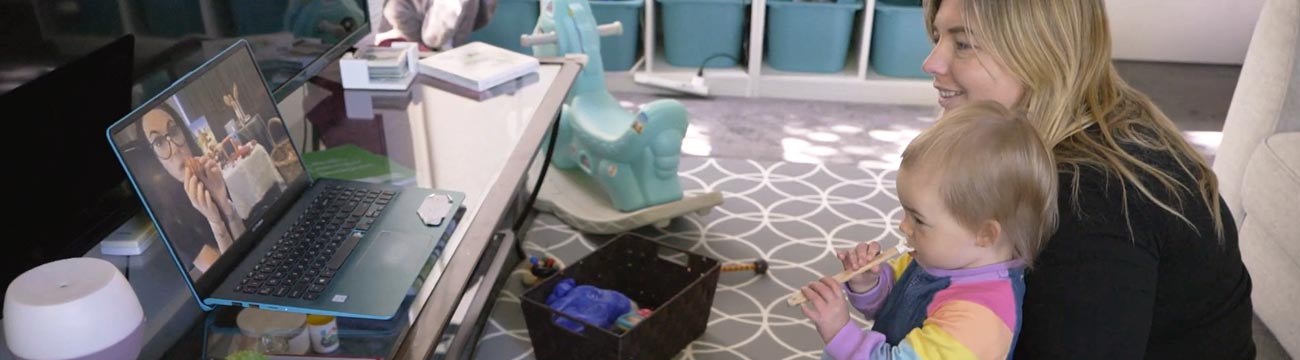


Conceptual PlayWorld is a new and effective tool that parents can use to foster STEM thinking in their infants, toddlers and preschoolers.
This article explores how it works and why it’s important.
Long term research highlights the complexities of involving parents and caregivers in their children’s STEM education (i.e. science, technology, engineering and maths). Any STEM teaching needs to be easy-to-implement and effective. It should recognise the child's social environment and harness the unique capabilities of parents in supporting their child's STEM learning.
Conceptual PlayWorld is an innovative and effective pedagogical model developed by Laureate Professor Marilyn Fleer for introducing STEM concepts to infants, toddlers and preschoolers through play. The Monash PlayLab team further developed this work over a 5-year research project to include teaching children STEM at home.
Fleer’s Conceptual PlayWorld uses a strength-based model that values parents’ perspectives. It empowers children to actively engage in STEM education at home. While basic numeracy and literacy are more straightforward for families, we have found that STEM learning at home demands a more structured, carefully planned approach.
Conceptual PlayWorld for families is a model of intentional teaching to help parents and caregivers with ideas of how to easily integrate STEM learning into their daily routines, making it a joyful and fun experience that aligns with children's natural inclination for play and exploration.
Trialling Conceptual PlayWorld with families
During the COVID-19 pandemic we ran a Conceptual PlayWorld@homeLIVE program via Zoom for over 100 children and their families. As part of the program, a storyteller "visited" family homes across Victoria to read a storybook and introduce a play problem that children and caregivers solved together. Each PlayWorld was based on a famous children's storybook like ‘Rosie's Walk’, ‘Gingerbread Jan’, ‘Going on a Bear Hunt’, and ‘Sheep on the Jeep’.
This approach weaves the joy of problem-solving into the story, creating motivating conditions for STEM learning at home.
Watch Clara and her mum use the Conceptual PlayWorld to unlock some creative STEM play fun.
What have we learned from this study?
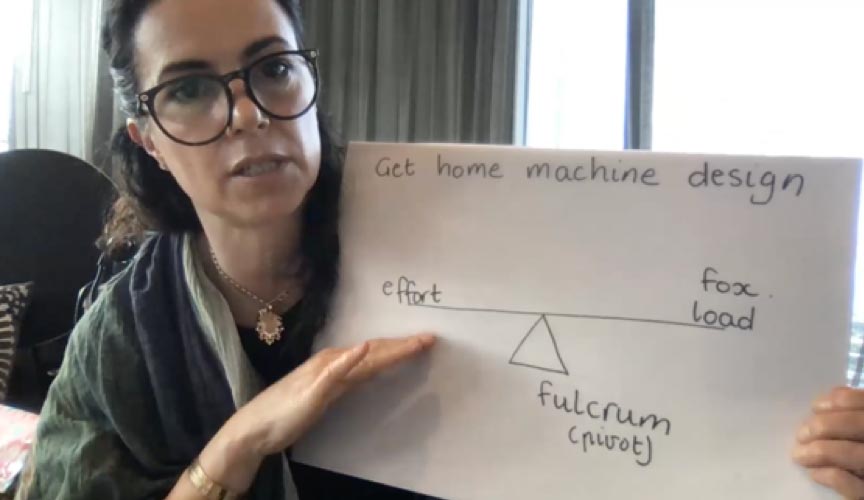
It was the engagement in collective imaginary situations created through children’s storybook telling that was central to their concept learning. For example, in ‘Rosie's Walk’, children pretended to be Rosie's friend and designed a "get-home machine" for the fox so it could get back to the jungle.
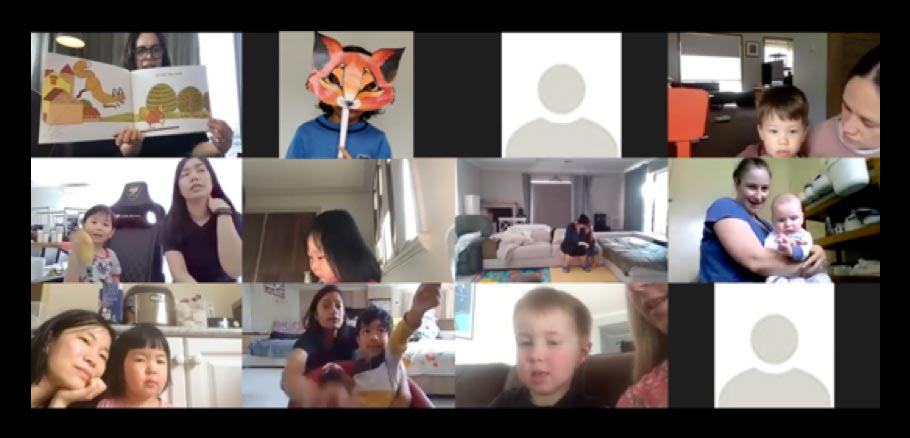
How did Conceptual PlayWorld support parents in our study?
As a result of using the Conceptual PlayWorld model, parents were able to develop their play-based approach and build confidence in teaching STEM to their children. Families were supported in these four stages:
1. Building common knowledge
One of the first steps for engaging parents in their children’s STEM education is to understand the developmental conditions of children in their home and other settings. Recognising what matters to children and their parents can offer a holistic understanding of children’s social situation. This helps us draw on family’s expertise in parenting and child development. The child should be considered as integrated into their everyday experiences rather than as a solitary thinker.
2. Developing new practices of imaginary play and STEM
Conceptual PlayWorlds have been very effective in showing people how to teach STEM at home. Children and caregivers are engaged together in problem solving. For example, designing the get-home machine for the fox in the story of ‘Rosie's Walk’ or learning to bake cookies in ‘Gingerbread Jan’s story. It was evident that families moved from generalised interest in science to specific concept learning. The storyteller introduced new concepts via Zoom, allowing children to explore with their parents while solving the problems presented.
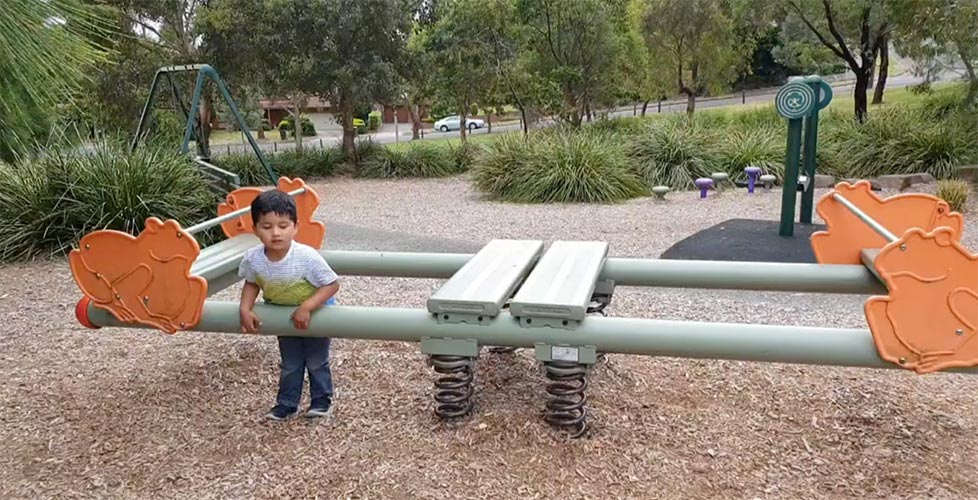
The collective narrative developed through the storybook created opportunities for different ways to explore STEM concepts in children's everyday settings, like discussing fulcrum, load and effort in the park or while playing with toys (see images below).
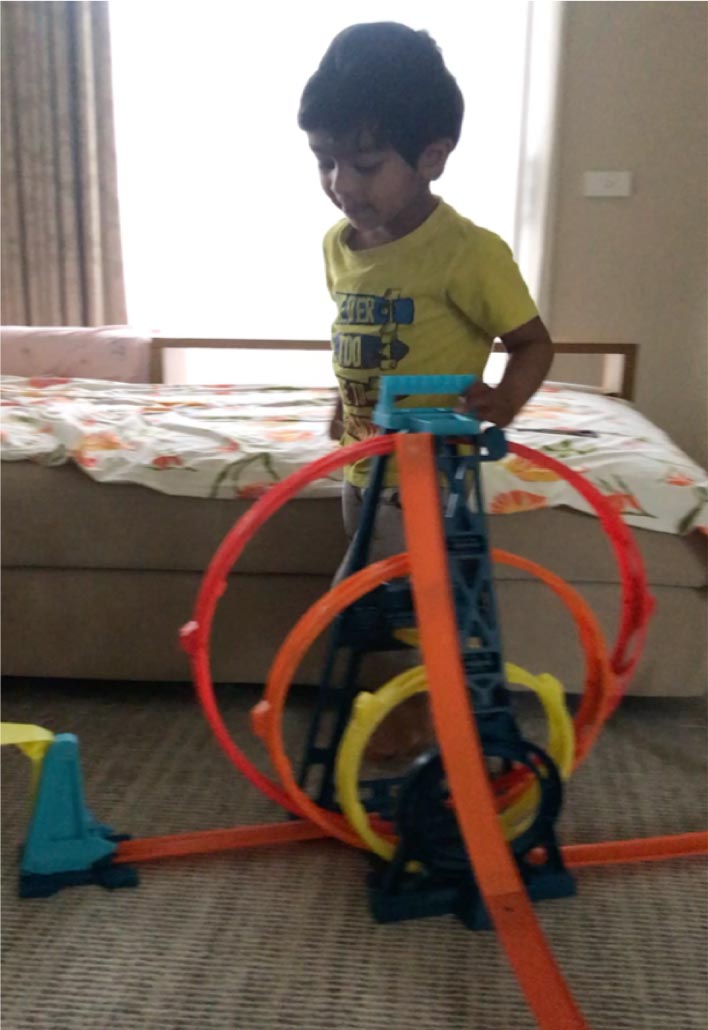
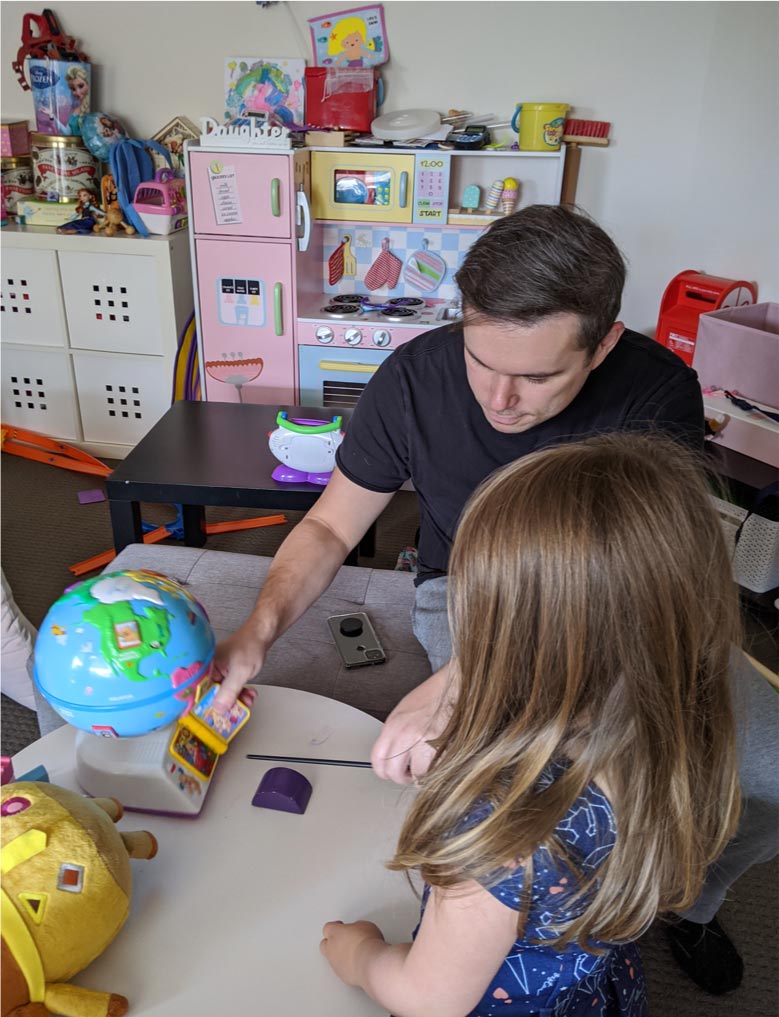
(Click on image to enlarge)
3. Helping families teach through play
Families learned new ways of playing, particularly imaginary play where adults and children played together. Children contributed their expertise on pretend play and adults suggested problem scenarios and offered concepts to make play more engaging.
In the photo below, the child is very engaged playing the role of Rosie, the hen and became an active participant in the problem solving. The mother worked with the child and offered a concept that could help them solve the problem.
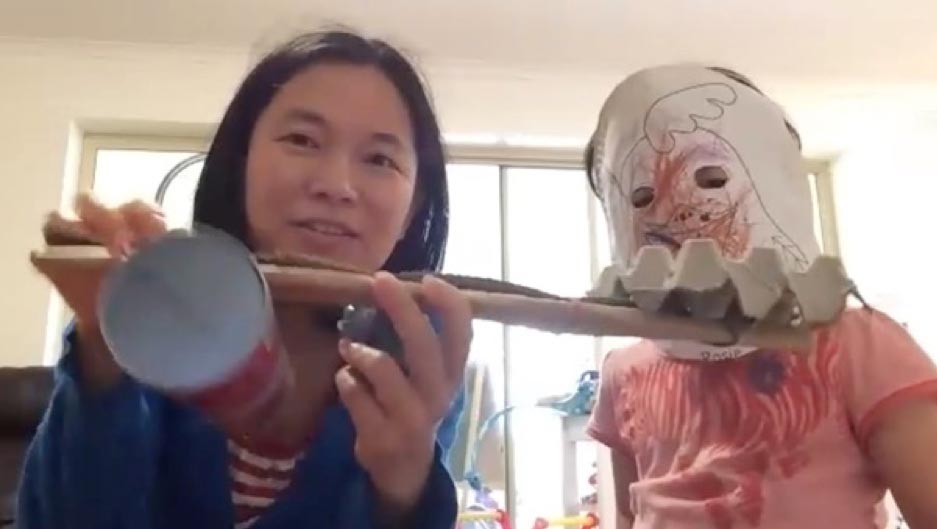
Based on a children’s storybook Conceptual PlayWorld creates condition for children’s play exploration and offer opportunities for science learning in the home setting. This aligns the children’s play motive with the adult’s intention to teach STEM.
4. Building parent’s confidence and competence
Conceptual PlayWorld aims to give families resources to use simple STEM language that kids can easily understand. This has helped many parents overcome a lack of confidence about teaching STEM concepts.
One of the key learnings of the research has been not to work only on children’s learning but also developing parent’s confidence so that they are in the best position to support and continue learning the Conceptual PlayWorld.
Developing a collaborative practice empowers families to create meaningful STEM learning experiences at home. Our research aims to bridge the gap in early childhood education by understanding how families can best support STEM learning opportunities in their home settings.
Curious? Go to our Create your own PlayWorld website to access our free resources.