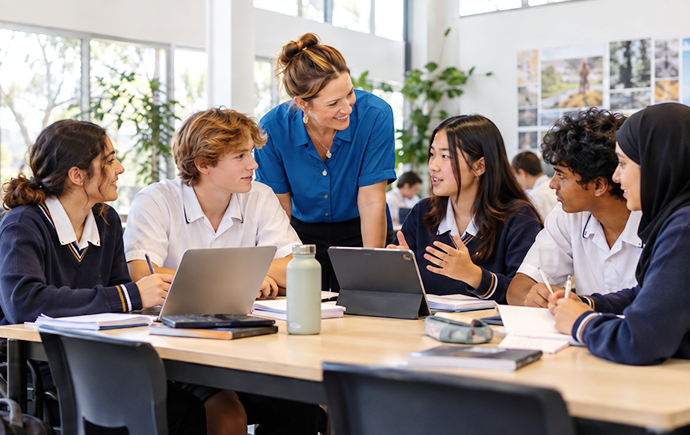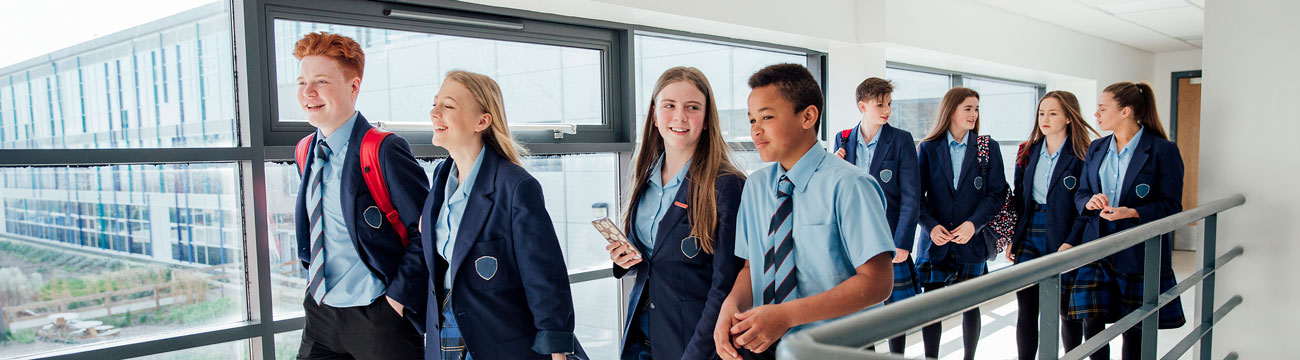





Monash University researchers offer insights into what secondary school students need from teachers to improve their sense of belonging at school.
A study involving 184 Australian secondary school students aged 12 - 20 years explored student perspectives of practices influencing belonging.
Student responses showed that teachers matter most in their experiences of school belonging. The findings provide practical insights into student concerns and how teachers can directly influence students’ school belonging experiences.
All quotes in this article are from students who participated in the study.
Emotional support and wellbeing
"Teachers shouldn't wait until there is a problem to help."
Teenage students experiencing a lack of school belonging can experience stress, depression, and anxiety with longstanding implications well into adulthood. Proactive and preventative teachers can address this by building belonging and wellbeing.
"Check in on me once in a while."
A simple, heartfelt check-in from teachers can make students feel seen and valued. A quick chat or a note to ask how they are doing can foster a supportive environment.
"Actually get to know you and not treat you like a lesser being."
Students in our sample wanted to be noticed by their teachers almost above everything else. Students crave recognition as individuals, not just as part of the crowd. Teachers who take the time to understand each student's unique strengths create an inclusive atmosphere.
"Realise when I'm upset or troubled and try and find out why instead of just saying ‘it'll be fine’."
Acknowledging a student's emotional state and taking the time to understand their troubles can be a game-changer. Sometimes, all it takes is someone who cares enough to listen and offer help.
Academic support and feedback
"Just because we don't ask for help in front of everyone, doesn't mean we don't need it."
Students can hesitate to seek help in front of their peers. When teachers provide private avenues for students to ask for assistance, they are ensuring students receive the support they need without fear of judgment.
"Give me more feedback. Encourage me more often."
Students value constructive feedback on their work. This can allow for improvement and a sense of progress.
"Have a better understanding of why I feel like an outsider, and try and help me not feel this way."
Some students might feel like outsiders for many reasons. Teachers who try to understand these concerns and work to create a more inclusive atmosphere can make a difference.
"Make sure they read my file because I have additional needs."
When teachers are familiar with students' individual needs, they can better support and cater to their students' diverse requirements.
Classroom environment and teaching methods
"Getting small groups of people together might help people make friends."
Creating smaller groups within the class allows students to connect intimately with their peers. Students sometimes need help with peer relationships.
"I would like them to teach what they are passionate about. Classes are better that way."
Passionate teaching can be contagious. When teachers are enthusiastic about their subjects, it makes learning more engaging and enjoyable.
"Teach to engage the class rather than complete textbook questions."
While getting through the curriculum is necessary, engaging teaching methods that go beyond rote learning can make students feel connected to their lessons. It shows that education is not just about passing tests but about fostering a genuine understanding of the subject matter.
Inclusivity and equality
"Respect my religion."
Respecting and acknowledging students' diverse religious and spiritual backgrounds is essential in creating an inclusive environment.
"Treat the boys and girls the same."
Gender equality is paramount. Treating all students, regardless of gender, with fairness and equality is a fundamental aspect of building a sense of belonging.
"Learn every student's name."
Learning each student's name may seem small but it can have a profound impact. It shows that teachers value each student as an individual.
"Use preferred names and pronouns."
Respecting the preferred names and gender pronouns of students is crucial, particularly for LGBTIQA+ students. This inclusive approach fosters a welcoming environment.
"Support LGBTQ+ community."
Inclusivity extends to LGBTIQA+ students, who may face unique challenges. Teachers who help support and respect boundaries create a safe space for LGBTIQA+ students.
Student autonomy & individual needs
"Realise that for some people drawing or listening to music in class is the only good part of the day …[and it] helps people focus."
"Allow students who process information in different ways to do that, rather than trying to force one “acceptable” learning method."
There is no ‘one-size-fits-all’ approach. Teachers who can accommodate individual educational needs enable students to fit in more.
New ideas for connection
"At my primary school, there was an idea for some kind of machine that would be on the wall, and you could press the button to say if you were feeling lonely, and it would show you where other people were who were feeling lonely too."
Innovative ideas like this can be transformative. Creating spaces for students to connect and find support, especially when they're feeling isolated, can make a significant difference in fostering school belonging.
"I wanted to be paired up with a buddy when I started secondary school, but they didn't do it."
Buddy systems can help new students navigate the challenges of transitioning to secondary school. This idea highlights the importance of support networks in creating a sense of belonging.
Positive relationships
A friendly and caring attitude goes a long way in creating a sense of belonging and this is not something that requires further PD to learn about. Most people are equipped with the basic knowledge of how to build successful relationships.
The student-led solutions from this survey identify practices they believe will improve their sense of school belonging. These tips can be used as a resource for schools to implement practical approaches to enhance school belonging. The efforts may have positive outcomes for students’ mental health, academic achievements and social connections.
To find out more, refer to the research publication below.
Resources
Acknowledgement
We would also like to acknowledge Christine Grove, Fiona May, Gerald Wurf & William Warton for contributing to the research that this article is based on.