
Monash University researchers have worked with young people with disability to create resources to support self-determination in community programs.
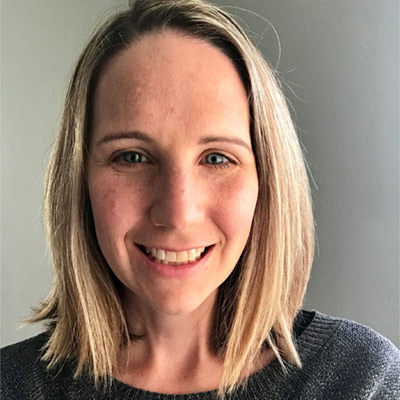
Supported by funding from Scope’s Dr Jennifer Fitzgerald Research Grant, six young people with disability were engaged as co-creators, working closely with Dr Bethany Devenish and Emily Chan, who both have ADHD.
The suite of resources
Too often young people with disability face challenges in realising their dreams in sport, dance, scouts, drama, or any other community program they are involved in. This can be because they may be expected to do things in a particular way that might not bring out their best abilities. By sharing their insights and experiences, they have provided ideas about the types of resources they felt would help them achieve their personal goals.
“I feel like it's not helpful when people say, ‘Oh, you should do this in this particular way’, because not everyone can do that, but also - not everyone wants to do that. And I think when you embrace the different versions - that's when it's better.”
“Even if you're not doing what everyone else is doing, you have a unique way to contribute to the world, which would make it more interesting, or gives it a different perspective”
“I think I need no more than 5 step plans … if it's any more than that, I'm not doing it … Any more steps than that, it's no longer of interest.”
These ideas were collated, and in collaboration with Monash researchers a set of practical resources were developed to support them to identify strategies that can support their achievement and help them to manage stress and emotions.

The final suite of 16 resources (plus additional versions) includes poster templates, interactive quizzes, handouts, website guides, scripts, videos, and an activity card set.
Download your free resources at the project's website:
Self-determination in community programs: a digital toolkit for young people with disability
Many of the resources can be downloaded and personalised prior to printing, with options to add text or images. This allows young people to have full control over what information they include in a resource before they print for personal use or share with families or community program leaders/coaches.
“I can't underestimate how powerful that reflection tool was! Really put me in a great spot … whenever I think about that period again, all I can think about is a positive memory, and a positive experience, and something that really enhanced my independence and maturity. The reflection process is something that does make you a more mature person.”
Videos featuring three young athletes who shared their experiences in footy, para athletics and soccer, highlight what young people with disability can achieve in their community programs, their unique contributions to their teams, and the power of role models for young people's identities, confidence and drive to achieve.
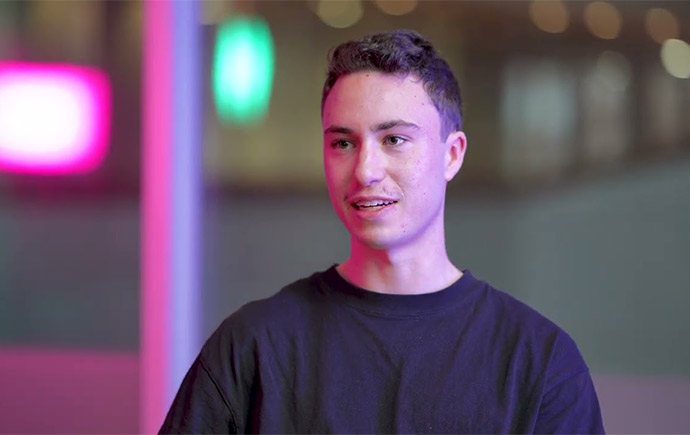
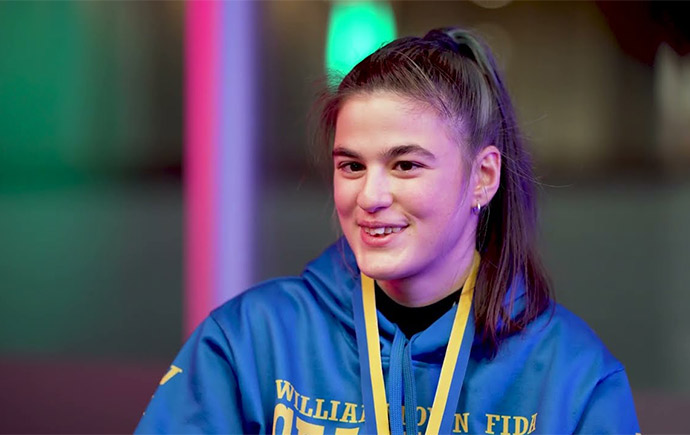
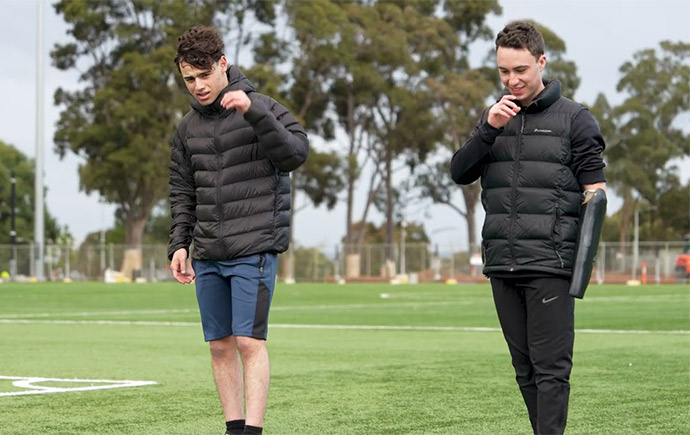
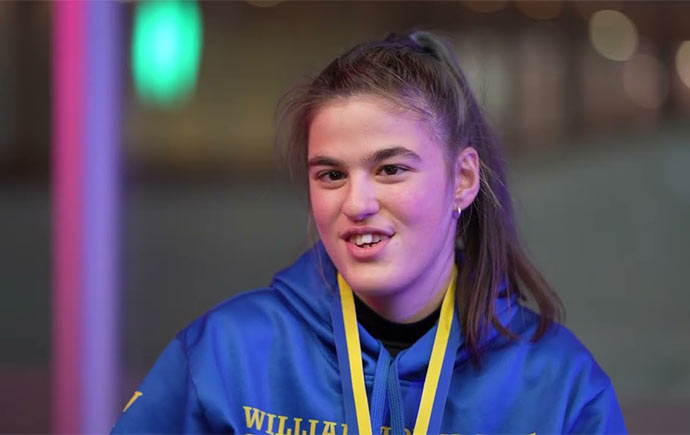
"It's just the inspiring nature of those people, showing everyone how incredible they are…and then showing young people with disabilities how they can grow and become these amazing athelete[s]... They've come from the same spot you are in right now. So that gave me a lot of confidence and belief in my identity that, as someone with a disability, I can be the best version of myself. I can be anyone I want to." - Anthony
The benefits of collaboration
When researchers with disability and young people with disability work together to provide solutions to the barriers they perceive as important, it fosters the environment needed for youth to experience self-determination.
By making space for youth with disability to be active change-makers in this project, young people were able to channel their personal experiences, strengths, and insights into the development of these valuable resources that can support the self-determination of other young people with disability.
Co-creation, done well, can take ‘nothing about us without us’ beyond lip service, into tangible, real-world impact, for the researchers, the young people involved, and the community.
One young person, when asked about whether involvement had any benefits responded,
“Absolutely. 100%. Definitely. I have the power to set my own goals, and do my own reflection process, and make decisions that are decisions that I want to do. I'm so much more passionate about everything I do.
Having that power to make decisions provides you with greater confidence, because it's something that you know that you want to do. All these factors have allowed me to be more confident in myself. And ultimately, when I'm confident, that's when I'm performing at my best. That's been a great beneficiary to my wellbeing, my confidence, self esteem. Over these 6 months I have really loved what I do.”
And similarly the researchers noted,
“Listening to the young people sharing their own experiences had a significant impact on my own identity as a person with disability. There were these poignant moments where they shared experiences that mirrored my own. In those moments I had clarity on aspects of my identity that I hadn’t realised related to my disability. That change in my understanding of myself was empowering – a critical step in extending understanding and acceptance towards myself.” - Dr Bethany Devenish
"These remarkable young people are passionate and self-determined. Listening to their experiences have allowed me to reflect on my childhood and my own identity, acknowledge some difficult moments, and practise self-compassion." - Emily Chan
These free resources are provided for people with disability, teachers and /or parents to achieve positive outcomes, whether they want to:
- set and achieve personal goals
- optimise gain from community programmes
- manage stress and emotions at the community programme
- be inspired about what young people with disability can achieve
Download the resources
Self-determination in community programs: a digital toolkit for young people with disability
Enquiries regarding the toolkit and the project
Bethany Devenish
Bethany.Devenish@monash.edu
Acknowledgements
This research was made possible by Scope’s Dr Jennifer Fitzgerald Research Grant, a $30,000 grant open to experienced researchers or graduate research students with disability. Dr Jennifer Fitzgerald AM was Scope's Chief Executive Officer from 2012 until 2022, and the grant was established to recognise her significant contribution to the disability sector and ongoing commitment to research and evidence-based practice.
Resource design by Kris Pechotsch. Video production by TLS, Monash Education.
Filmed at Monash University with special thanks to Monash Sport.
We would like to acknowledge and thank all young people with disability who contributed to the research, co-creation, or filming. You inspire us.