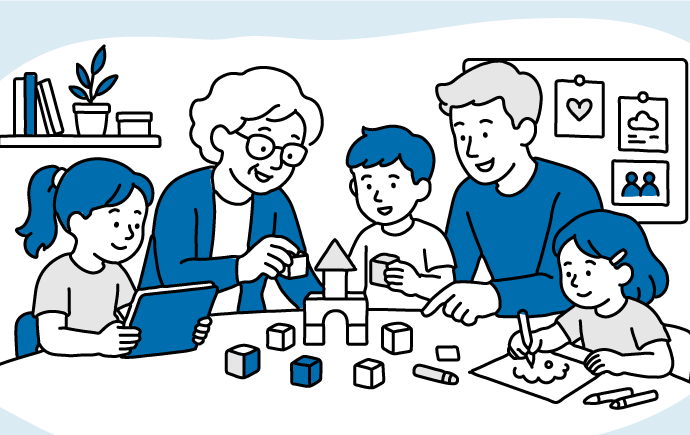


As teachers, it’s essential to take the time to understand each student’s unique needs, tailoring your approach where possible to support their development.
In our latest TeachSpace article, Dr Penny Round, lecturer in Inclusive and Special Education at Monash University, and Maddy Curtin, foundation teacher and learning specialist at Cranbourne Carlisle Primary, discuss differentiation – and share practical strategies for building an inclusive and supportive learning environment for all students.
Listen to the full discussion
This article is based on a discussion from the Let’s Talk Teaching podcast.
What is ‘differentiation’ and why does it matter?
At its heart, differentiation means adapting teaching methods to ensure students can access the curriculum in ways that align with their abilities, interests and challenges.
“It’s about really knowing your students and factoring in their unique needs when planning your lessons,” explains Dr Penny Round. “That includes what you’re teaching, how you deliver the content, how you assess learning outcomes and the learning environment itself.”
This might mean scaffolding tasks for children with dyslexia or ADHD, providing extra support for children with disabilities or complex learning needs – or offering open-ended challenges for gifted students to keep them engaged.
“It’s not just about academic level,” says Maddy Curtin. “It’s about recognising students as whole people.
“Some might have learning challenges. Some might have something going on at home. Others might have different social or emotional needs. Confidence, for instance, plays a critical role in a child’s ability to engage and succeed. All sorts of factors affect the way children learn.”
Build trusting relationships
Differentiation starts with strong teacher-student relationships.
“Before you touch the curriculum, you need to build trust an understanding with your students,” says Maddy. “If you don’t have that foundation, learning will become really challenging further down the line.”
Four tips for forming trusting relationships
1. Positive classroom environment
Focusing on establishing a positive classroom environment – and a good rapport – at the start of the year.
2. Set expectations
Discuss expectations at the outset. What you expect of your students and what they expect of you. Some students might expect you to use a particular tone of voice, for example.
3. Understand students likes and dislikes
“Discussing students’ likes and dislikes can also help you get to know them – as people and as learners.”
4. Understand how students learn
Once you have a better understanding of who your students are, you can start to figure out how they learn and what kind of support will help them reach their potential.
To gain deeper insight, you might review student reports, speak with their previous teachers, observe them in earlier classrooms to see how they engage and conduct informal assessments to gain a clearer picture of their strengths and areas for growth.
“It’s all about observation,” says Penny. “How are students reacting? Are they starting the task – or are they chatting? Do they seem responsive? Regularly observing their interactions can provide invaluable insights.”
Three strategies for differentiation
Once you’ve got a clear picture of your students’ strengths and challenges, you can start adjusting your teaching to support their learning. It can be as simple as tweaking task demands or as nuanced as redesigning an assessment.
1. Adjust tasks to meet students where they are
Breaking instructions into manageable chunks, allowing certain students extra time or giving them time to think about the answer to a question before you come back to them can make tasks feel less overwhelming.
2. Incorporate visual and sensory supports
Tools like visual aids, fidget toys and wobble stools can help students with specific needs focus and engage.
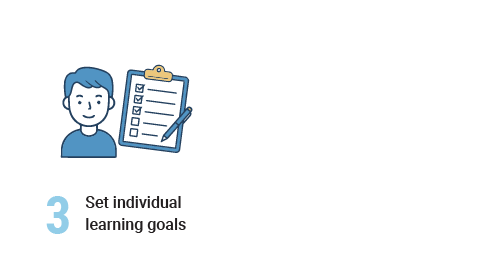
3. Set individual learning goals
Draw up an individual education plan for any student with specific needs.
Include 2 or 3 goals for that child to work towards, asking for their input on what they want to achieve. Then, document how you will adjust your teaching to support their progress.
A concrete plan will help you consistently apply strategies to support their learning – and make your discussions with parents more focused and productive.
“For me, differentiation is problem-solving,” Maddy explains. “It’s about figuring out what isn’t working and asking yourself what you can do about it.”
Penny shares an example from her experience teaching Year 12 English:
“For students uncomfortable with oral presentations, I suggested they present via video or a one-on-one conversation instead of in front of the class. Or I let them use their notes.
“The biggest part of the assessment was the content, not the delivery, and this helped make the task more comfortable for them. It’s about meeting the learning outcomes in ways that work for them.”
Differentiation is for everyone
Though it’s often associated with students needing additional support, differentiation is equally vital for high-achieving learners.
“Gifted students often have higher emotional sensitivities,” notes Penny. “We need to recognise their unique needs and ensure they remain challenged and engaged.”
Ultimately, tailored teaching creates a more accessible learning environment for all students. Independent projects and open-ended challenges can benefit advanced students, while visual aids and scaffolding work well for students learning English as an additional language.
Overcoming challenges and helping students thrive
Differentiation can feel overwhelming, especially for new teachers. But it doesn’t have to be.
“You don’t have to work it all out by yourself,” adds Maddy. “Collaborating and debriefing with colleagues, school leaders and curriculum coordinators can make a big difference.
Four tips for managing differentiation
1. Start small
Focus on a few key strategies and refine them over time.
2. Leverage support from peers
Share challenges and successes with colleagues and brainstorm solutions.
3. Use online resources
Explore tools like the Abilities Based Learning and Education Support (ABLES) suite or Australian Professional Standards for Teachers (APST) to guide your practice. Sites like Twinkl, Teachers Pay Teachers and Top Teacher also have useful resources.
4. Log details for consistency
Document adjustments in your lesson plans so cover teachers can continue the tailored approach seamlessly.
Ultimately, differentiation transforms the classroom into a space where every student feels seen, supported and capable of growth.
“When you have your students’ confidence, they’re willing to have a go,” says Maddy. “And that’s where the magic happens.”
Listen to our podcast, “Let’s Talk Teaching” Season 2, Episode 2, to hear our full discussion on the benefits of tailored teaching, with more practical tips to help implement differentiation in your classroom.