
Five pieces of advice teachers wish they’d heard before graduating

Most educators enter their career with an idea of what kind of teacher they want to be. Usually, it’s the Robin Williams in Dead Poets Society kind — inspiring, funny, profound teachers who change the lives of their students forever. And while the reality might differ a little from the movies, that’s a great ambition to have.
But transitioning from student to teacher can also come as a shock, and the picture you have in your mind of what life as a teacher looks like may not always match your actual experience. That’s why we spoke with some of our graduates and asked them what advice they wish they’d heard before taking that first step into the classroom. This is what they had to say.
1. You will make mistakes, don’t beat yourself up
Experienced school principal Greg McMahon put it, “Teaching puts you on the stage every day.” And like actors in a play, there will be times where you flub your lines, trip over a cord or completely miss the mark. “That’s OK,” says primary teacher Adam Zito. “Don’t take yourself too seriously. You are going to mess up sometimes … [but you] have a fresh start at the start of every lesson, or even halfway through a lesson.”
Lin Qi agrees. “Try to have fun … trust yourself and that you can do anything and overcome anything.” Because as school teacher and researcher Blake Cutler says;
“No one expects you to run your classroom perfectly, so don't put too much pressure on yourself. Making mistakes, having lessons go wrong and asking for help are all natural parts of being a graduate teacher. In fact, you will learn more in your first few years in the classroom than you ever did at university!”
2. Building relationships with your students is everything
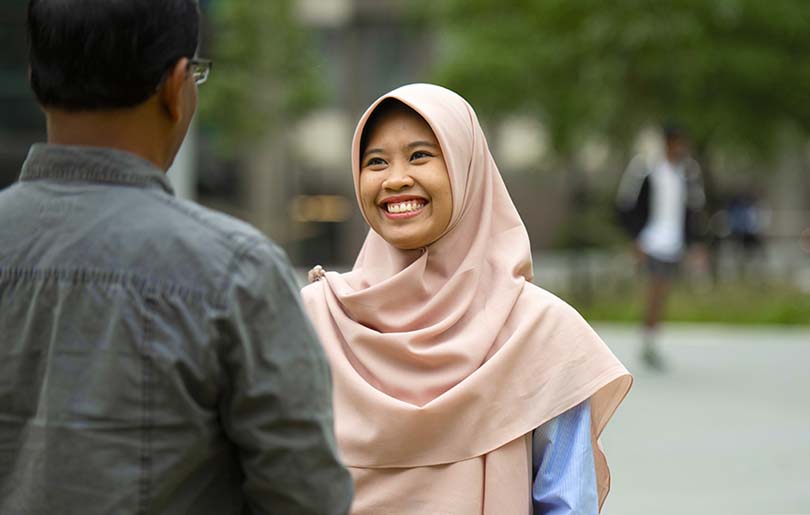
While it can feel like a huge responsibility to shape young minds and act as a role model every day, most teachers agree that inspiration is a two-way street. “Believe it or not, nobody is stopping you from getting students to help you plan lessons and units of learning,” Adam says.
“Young people value their voice being heard – whether it be a five-minute chat about their day, or helping you to design a unit of learning, – student agency is the most important aspect of teaching!”
“It’s all about relationships,” says early childhood leader Jono Parlamentas. “Learn and understand each individual student to maximise their time with you.” Because, as Greg says, students these days have access to infinite knowledge and resources and they may even be able to teach you a thing or two: “Assume everyone in the classroom has something to contribute, and knows something you don’t.”
3. Ask for help when you need it
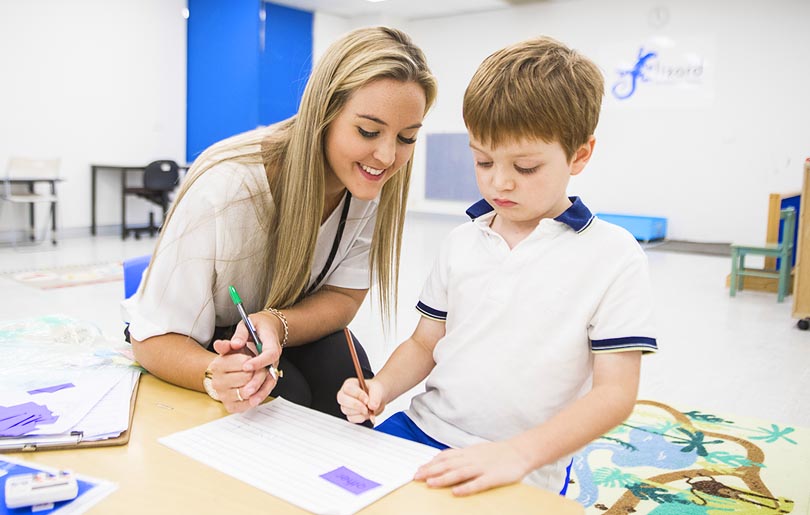
Like any profession, teaching gets easier with experience. So it makes sense that people who have been teaching for a lot longer will be able to provide you with guidance and advice when you need it. “If something doesn’t make sense, or you are struggling to apply what you have learnt to the real world, then ask those with more experience for help,” says Ashleigh O’Connor. “No matter how much we learn in this field, there is always more or another way something can be applied. Listen to those with experience, don’t rush through the learning process, take it step by step and really take it all in.”
Don’t be embarrassed to ask so-called ‘dumb questions’ says Lin Qi. And Colin Dobson, who is the Principal at the Monash Children’s Hospital School, recommends building relationships with your colleagues right off the bat: “Seek support from colleagues or the leadership team early, not late,” he says. And don’t just stop there. According to Adam, you will also benefit from getting to know (and appreciating) the other members of staff at a school too. “Learning support, admin staff, cleaners, laboratory and food techs, IT support, business managers, timetablers, and other ‘behind-the-scenes’ colleagues are often the most valuable members of your community,” he says. “Without them you could not do your job. Be grateful for them every day.”
4. Say yes to every opportunity
Being enthusiastic about your career and committed to learning and growing as a teacher will open up new doors for you. Michael Devine, a school improvement leader and experienced educator working in some of the most challenging schools, says saying ‘yes’ is the best way to become a world-class teacher.
“Take every opportunity as it comes,” he says. “I’m talking about the small opportunities, the ones you might not even perceive as opportunities – a meeting, a discussion, agreeing to help out with a project. From little things, big things grow.”
Being a considerate and punctual colleague will also help you in the long run, says primary school teacher Nicole Lowe: “Always offer your help and never show up late to meetings!” Teacher Victoria Stewart even advises building up your experience before or while you’re still studying: “Pick up a part time job or volunteer position [that] involves working with kids,” she says. “The compulsory placement days isn’t nearly enough to gain experience about the behaviours of students both in and out of the classroom.”
5. It will be hard, that’s what makes it worth it
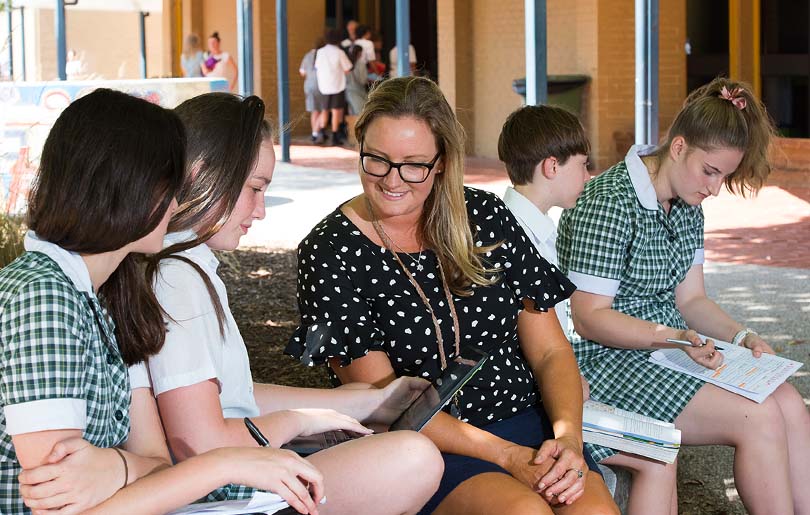
“Teaching is hard, especially in your first year,” admits Keetah Evans. “But if you make the most of opportunities that come your way, then you will succeed.” In fact, school principal Fran Reddan says that it’s your job as teachers to demonstrate what hard work and dedication look like:
“Our job is to help students take intelligent risks, engage with fear, and find a productive relationship with it. We all need a little nudge to step out of our comfort zone, and confront our fears, and each time we do this, our confidence and resilience build.”
Of course, all teachers strongly encouraged self-care as well. “If you ever get to the point where you’re not loving it, then take a break,” says Dianne Drew. “Because your impact on kids is so powerful, and if you’re in a place where you’re not in the frame of mind to teach, that will impact the kids. There will always be hard times, but find ways to switch it up so that you can continue to be the teacher you always wanted to be.” Blake agrees:
“Teaching is a tiring profession! Make sure to look after yourself and give yourself a break from schoolwork. You can't be the best teacher when you're working yourself into the ground.”
Get the latest on our news, events and more. Subscribe to Monash Education Newsletter