
MIPS researcher awarded lifetime contribution award
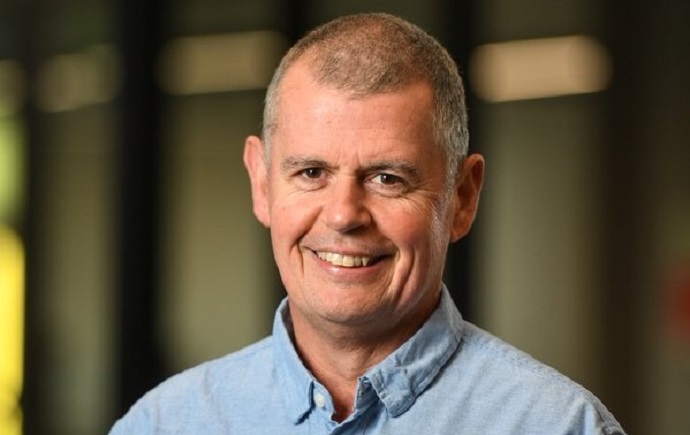
Professor Ben Boyd, a researcher with the Monash Institute of Pharmaceutical Sciences, has been named the winner of the Australian Synchrotron Lifetime Contribution Award for 2022.
The Australian Synchrotron User Advisory Committee (UAC) presented Professor Boyd with the honour in early December, in recognition of his significant contributions to pharmaceutical and biomedical research through applying synchrotron science. This includes the development of new techniques to understand how pharmaceutical and food materials behave in the body.
As noted in a nomination letter by his peers, Professor Boyd has displayed innovation and productivity during his many years of involvement with the Australian Synchrotron – the major research facility based in Clayton.
“Professor Boyd has been an outstanding scientist and ambassador for synchrotron techniques over his distinguished career,” said UAC Chair Courtney Ennis.
Dr Ennis said Professor Boyd’s work with the Australian Synchrotron has seen a large number of graduate students trained, the publication of over 100 papers, and the awarding of significant funding related to his synchrotron endeavours.
“This is in addition to his continual service to the Australian Synchrotron facility in advisory roles and in communicating synchrotron research to the community.”
Professor Boyd said it was a great honour to receive the award, “which is really in recognition of the contributions of my group to utilising and progressing synchrotron-based research”.
“The hard work, many overnight research shifts and countless hours spent with enthusiastic young scientists at the facility have been a highlight of my time working at the Australian Synchrotron and at other facilities around the world,” he said.
“Regular access to synchrotron facilities has allowed us to work on some amazing projects with industry, great international collaborators and philanthropic organisations such as the Bill & Melinda Gates Foundation to help bring new drugs and drug delivery systems into clinical trials.”
The Australian Synchrotron is one of Australia's most significant pieces of scientific infrastructure.
It produces powerful beams of light that are used at individual experimental facilities to examine the molecular and atomic details of a wide range of materials.
The advanced techniques are applied to research in important areas including health and medical, food, environment, biotechnology, nanotechnology, energy, mining, agriculture, advanced materials and cultural heritage.
ENDS