
Drug Delivery Disposition and Dynamics
Our research involves designing and developing the next generation of drug delivery systems to enhance the effectiveness of medicines.
.
-
mRNA has immense potential to change how we treat diseases, such as viral infections, cancer and autoimmunity. mRNA, however, is a large, fragile molecule. After injection, free mRNA will degrade before reaching the target cells. Nanoparticles encapsulating mRNA can protect mRNA and deliver it to the cells of interest. For example, the delivery of mRNA was crucial for the success of COVID-19 vaccines.
Multiple projects with new applications in cancer immunotherapy, vaccines and formulation manufacturing are available under this umbrella project. Please get in touch with Harry.Al-Wassiti@monash.edu for a discussion of available project details.
Overall, several projects are available to investigate new methods of delivery and mRNA formulations such as lipid nanoparticles and the consequence of delivery to their application into immunological diseases.
Outcomes: Our lab is innovative and continuously inventing new IP. We work closely and collaboratively with industry partners to quickly translate the inventions into new medicines and applications. Therefore, publications, patents, new manufacturing methodologies and inventions are likely the output of this project.
Depending on the specific projects, students are expected to develop some of those skills:
Skills in generating Nanoparticles, mRNA synthesis and production, in vitro and in vivo potency testing, and mRNA delivery science. In addition, students are expected to develop analytical methods for mRNAs and their formulation, technological development, collaborative industry engagement, cross-national collaboration, innovation and commercialisation.Contact
Leave this here so that Accordion nested does not detect this CT as not existing. -
Crohn's disease (CD) and ulcerative colitis (UC) are inflammatory bowel diseases (IBD) that are characterised by chronic and aberrant mucosal immune response. Factors including genetic susceptibility, environmental factors, dysregulation in gut immune cells and microbiota have been shown to contribute to IBD progression. Recent studies also suggest the involvement of vascular dysfunction in IBD. While the pathogenic role of blood vessel proliferation is well defined, the changes in lymphatic function in IBD are less understood.
Despite the improvements in diagnostic modalities and treatments for IBD, a substantial proportion of patients are either at the refractory phase of the available treatments or develop colitis-associated cancer. New therapeutic targets of IBD are thus necessary to manage the disease more adequately.
The project aims to:
1. Investigate the changes in lymphatic function and the associated mechanisms in IBD
2. Explore lymphatic therapeutic targets to treat IBD
Contact
Leave this here so that Accordion nested does not detect this CT as not existing. -
Malaria and Sleeping sickness (Human African Trypanosomiasis, HAT) are tropical diseases of developing countries that are caused by protozoan parasites. The infections are transmitted by fly or mosquito vectors, and are fatal if untreated. Current treatment options are unsatisfactory due to toxicity, emerging resistance and impractical administration requirements in resource-poor tropical countries. There is a pressing need to discover new drug targets to facilitate the development of new medicines for malaria and HAT. Protozoan parasites possess many unique genes and metabolic pathways that enable the parasite to survive in the diverse nutritional environments of the insect vector and the mammalian host. The aim of this project is to discover unique aspects of parasite and host metabolism that will enable discovery of new and safer drugs.
This project will utilise advanced LC-MS based metabolomics technologies in combination with bioinformatics and biochemical studies to elucidate interactions between antiparasitic compounds and metabolic pathways. The specific aims of this project are:
1) to identify novel roles for genes of unknown function,
2) to characterise novel metabolites and determine metabolic pathways responsible for their production, and
3) to identify drug targets for novel antiparasitic compounds.Contact
Leave this here so that Accordion nested does not detect this CT as not existing. -
The core concept of cancer immunotherapy is activation of the immune system to mount an attack on malignant cells, allowing the body to recognise, and in some cases, eliminate cancer. However, in spite of some complete responses to treatment, there remains a subset of patients who are non-responders and a number of cancers where malignant cells are distributed in multiple locations making it more difficult to treat. These pose a significant challenge in drug delivery, where therapy needs to be specific, selective and accessible to the site of action. In this project we will target immunomodulators or immune activating therapy to both tumours and the effector cells of the immune system, which are highly concentrated in the lymphatic system. By altering dosing strategies to redirect cancer therapy to the lymphatic system we may be able to improve treatment responses.
This project will use nanomedicines and protein therapies in combination with cancer models to investigate the impact of lymphatic targeting on immune responses to cancer. The specific aims of this project are:
1) to evaluate the lymphatic transport of immunotherapy and immune activating therapeutics
2) to measure the change in immune response at the lymph node and tumour using flow cytometry
3) to determine how effective this strategy is in killing tumours.
Contact
Leave this here so that Accordion nested does not detect this CT as not existing. -
In recent years there have been significant advances in vaccine technology to treat diseases such as HIV, flu and even cancer. However, a number of these new vaccines are limited in their in vivo activity as they are degraded too readily by the body. Encapsulating the vaccine in nanoparticles protects the vaccine from degradation and can target it to specific immune cells. We have developed a new self-assembling polymer system which allows us to control the size and degradability by altering the composition of the particles. In this project, you will investigate the formulation of particles by varying the molecular weight of polymers used, and load a model vaccine into the carrier.
This project will involve some basic polymer synthesis, as well as materials characterisation by DLS, electron microscopy, and high-resolution fluorescence microscopy. Interactions of the particles with cells will also be investigated using live cell microscopy.
Contact
Leave this here so that Accordion nested does not detect this CT as not existing. -
Nanoengineered drug carriers have the potential to revolutionise the treatment of a number of diseases. For maximum therapeutic efficiency, drugs not only need to be delivered to the right cells, but to the specific compartments within these cells where the drug is active. The aim of this project will be to understand the mechanisms of nanoparticle trafficking in cells using a combination of high-resolution fluorescence microscopy, live cell imaging and functional fluorescence assays. You will also work on functionalising nanoparticles to control their trafficking and localization within the cell.
Contact
Leave this here so that Accordion nested does not detect this CT as not existing. -
Nanoengineered drug carriers have the potential to revolutionise the treatment of a range of diseases. These nanoparticles work by delivering drugs specifically to the cells in the body where they have a therapeutic effect, thus limiting harmful side effects and maximising the activity of the drug. For maximum therapeutic efficiency, drugs not only need to be delivered to the right cells, but to the specific compartments within these cells where the drug is active.
The student will work with the supervisors to create new surface types, anticipated to greatly enhance the SPR signal to enable binding detection of small drug-like molecules to the target protein. The student will modify the SPR surfaces containing membrane proteins and test their suitability for studying protein-protein and protein-drug interactions. In addition to SPR, techniques including cryoFESEM, Raman microscopy, XPS and small angle X-ray scattering will be used to confirm the correct functionalization of the surface.
Contact
Leave this here so that Accordion nested does not detect this CT as not existing. -
This project aims to develop a new generation of synthetic and biomimetic polymers with advanced biomedical properties. The polymers will be used for the fabrication of a range of nanoparticles, which will allow studying the effect of architecture, composition and surface functionalisation on their behaviour in a biological environment. Carefully conducted structure-physicochemical property relationship and bio-nano interaction studies will generate new knowledge in the area of stealth and protein repellent nanomaterials. Nanoparticle systems studied in this context are: lipid nanoparticles (LNPs), nanorods, micelles, and polymer-drug conjugates.
The intended outcome of the project is the generation of a platform of bioinert materials that could potentially find applications as building blocks in next generation nanomedicines and medical devices.
A number of projects are available for highly motivated students with an interest in interdisciplinary research. All projects will allow the students to gain a diverse set of skills in the areas of polymer synthesis, materials testing, particle formulations, surface modifications, cell cultures, cell imaging etc.
All projects can be tailored to the specific interests of the students. If you are interested in joining, send us an email.

Contact
Leave this here so that Accordion nested does not detect this CT as not existing. -
Nanotechnology innovations have paved the way to novel therapeutic and diagnostic agents/carriers and tools in pharmaceutical and biomedical research. A challenging area of research, however, remains the treatment of central nervous system (CNS) disorders. Drugs for treatment of CNS disorders have to enter the brain in order to show a therapeutic effect, which can be accomplished by invasive and non-invasive methods. In the latter case, the compound has to be able to cross the blood-brain barrier (BBB), an obstacle which limits the application of numerous treatments. To overcome this issue, (polymeric) nanomaterial-mediated CNS delivery has been proven to be a suitable strategy. Careful design of drugs and carriers is a prerequisite for the development of novel therapeutic methods and the successful treatment of, for example neurodegenerative diseases.
The ultimate aim of this project is the design of ‘smart’ nanomaterials, in particular nanoparticles which have the potential to interact with and/or cross the BBB for the treatment of Alzheimer’s disease or multiple sclerosis. In this context, a number of projects are available for highly motivated students with an interest in interdisciplinary research. All projects will allow the students to gain a diverse set of skills in the areas of polymer synthesis, material testing, particle formulations, BBB cell cultures, cell imaging etc.
The projects can be tailored to the specific interests of the students. Funding for the continuation into a PhD is available. The involvement of the team in the Monash-Warwick alliance and the ARC Centre of Excellence in Convergent Bio-Nano Science & Technology provides further opportunities for high achieving students.

Contact
Leave this here so that Accordion nested does not detect this CT as not existing. -
Antibiotics were once 'Magic Bullets' that transformed modern medicine and saved millions of lives. However, nowadays bacterial 'superbugs' resistant to all or most antibiotics when administered as monotherapy present one of the three most serious threats to human health. This global health crisis is exacerbated by a lack of new antibiotics in the development pipeline. Consequently, we are at risk of reverting to the pre-antibiotic era where people died from common infections. Given the dire shortage of new antibiotics, mechanistically-informed, rationally optimised antibiotic combination regimens represent one way to combat the ever growing multidrug-resistant bacteria.
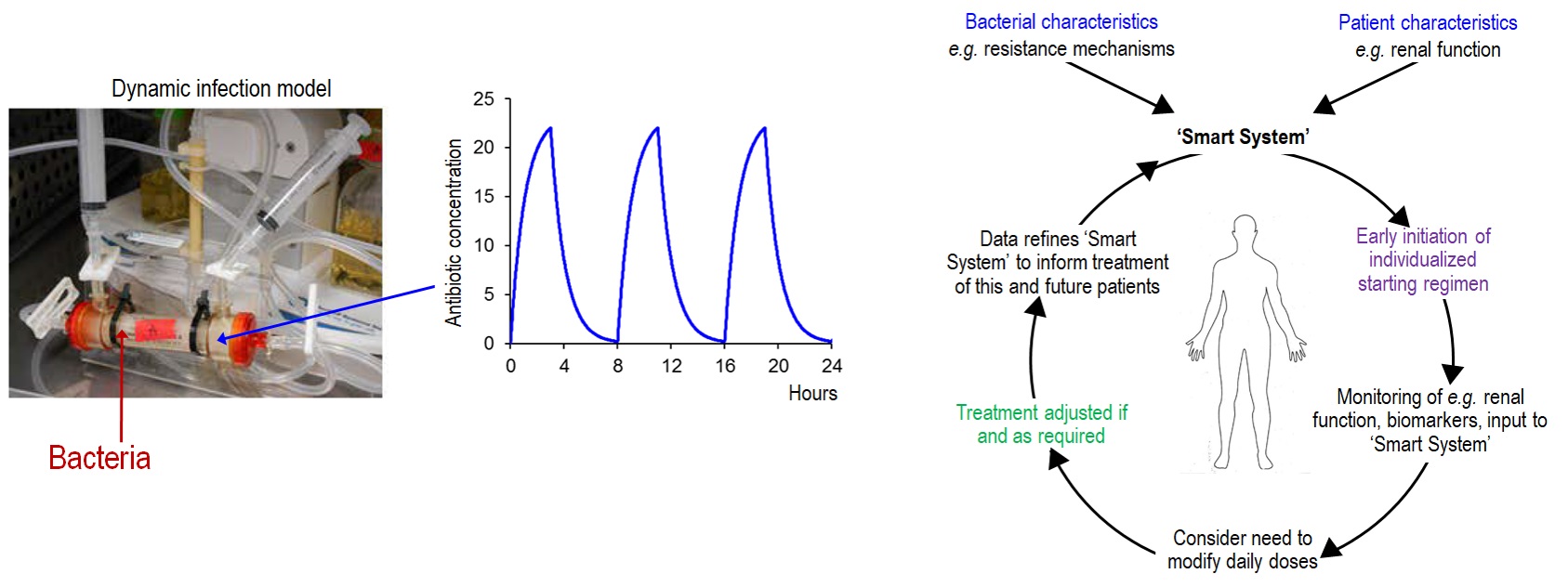
This project will identify and systematically optimise novel antibiotic combination dosing strategies that kill 'superbugs' and minimise the emergence of resistance. It will include an innovative combination of established and cutting-edge experimental methods to evaluate antibiotic combinations and elucidate the mechanisms of synergistic killing and resistance prevention. Our dynamic laboratory employs gold-standard dynamic in vitro infection models to simulate the time-course of antibiotic concentrations in patients. We utilise mechanism-based mathematical models to rationally translate the results from these in vitro models into safe and effective antibiotic combination dosage regimens to ultimately benefit patients.
We are part of an international research network and can offer a wide range of innovative projects utilising latest approaches to combat resistant bacterial 'superbugs' for one or multiple students.
Contact
Leave this here so that Accordion nested does not detect this CT as not existing. -
For many decades, a ‘one-size-fits-all’ approach has been used for the dosing of antibiotics as single agents or multiple antibiotics in combination therapy. This is increasingly ineffective and has facilitated the emergence of ‘superbugs’ that are resistant to all antibiotics. New antibiotic development has been in decline. Therefore, it is vitally important that the dosage regimens of available antibiotics are optimised to save patients’ lives and preserve antibiotic activity for the future.
Our projects combine dynamic in vitro infection experiments that expose bacteria to antibiotic concentration-time profiles as seen in patients, molecular and genomic studies of mechanisms of action and resistance to antibiotics, clinical pharmacokinetic studies and development of novel mathematical models to optimise treatments for patients.
Projects include flexibility for students to spend the majority of their time undertaking experimental work in our laboratories, or performing mathematical modelling, or a combination of both. The research involves collaborations with microbiologists and clinicians.
Research Placement
Undertake a placement of a defined period in an external institution, either domestic or international, gaining experience in a different research environment that will augment your PhD. Research placements may focus on genomics studies (for example at the lab of A/Prof Antonio Oliver, Palma de Mallorca, Spain), or AI/machine learning. Industry placements focused on pharmacometrics may also be an option.
Contact
Leave this here so that Accordion nested does not detect this CT as not existing. -
The student will work in the Medicines Manufacturing Innovation Centre on a project designed with an industry partner. This project may involve developing and characterising an inhaled delivery system, a controlled release oral formulation or a device and therapeutic combination product.
Contact
Leave this here so that Accordion nested does not detect this CT as not existing. -
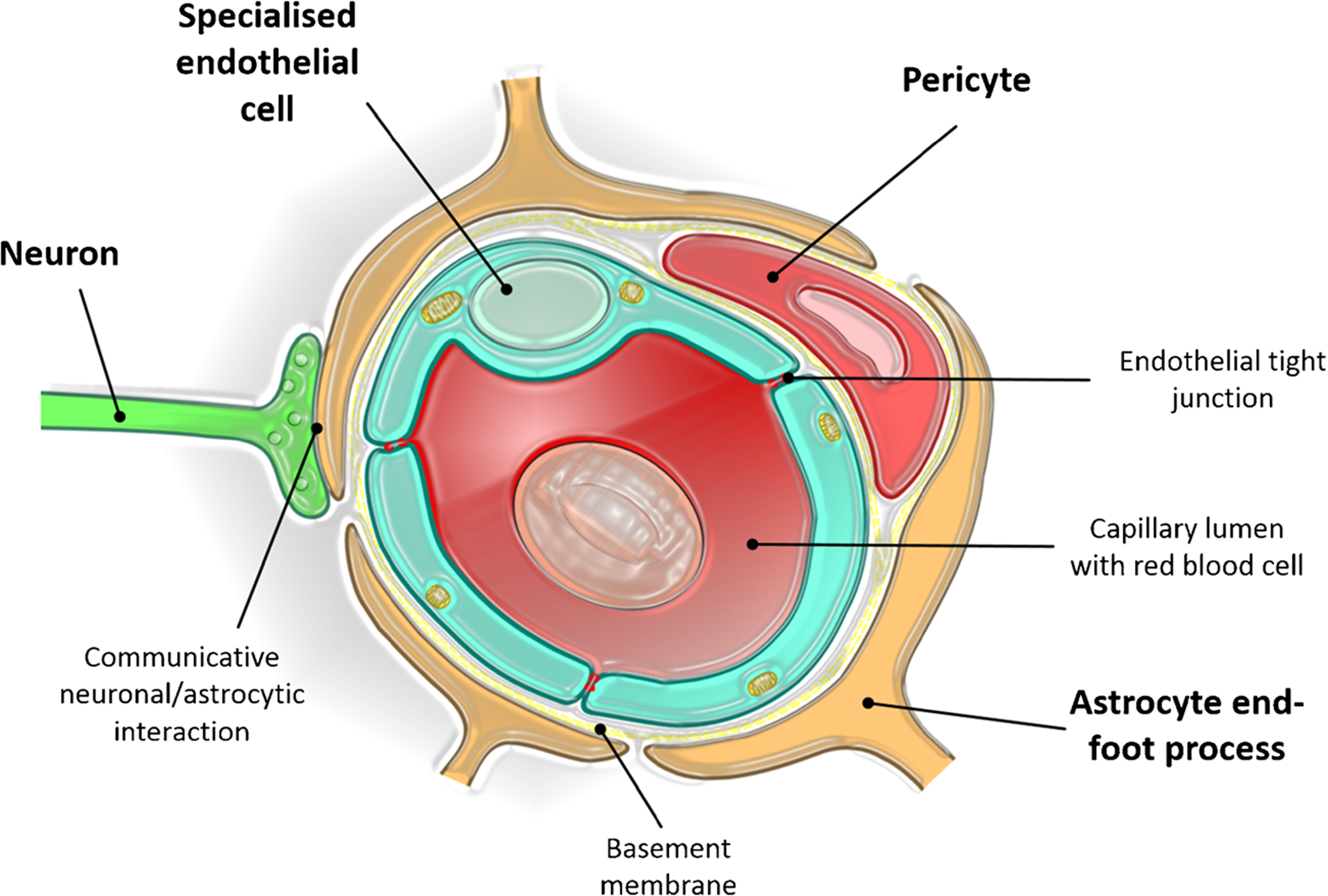
Alzheimer’ disease (AD) is the leading cause of dementia with up to one diagnosis being predicted every 30 seconds by 2050. Despite this, a cure for this disorder is currently unavailable. It is suggested that aberrant brain parenchymal accumulation of the extracellular protein β-amyloid (Aβ) mediates the neuronal toxicity associated with AD, and this accumulation has been more recently demonstrated to be due to faulty clearance of Aβ from the brain parenchyma into the bloodstream across the blood-brain barrier (BBB).
Our laboratory focuses on the mechanisms responsible for the faulty BBB clearance of Aβ, the transporters which are responsible for this faulty clearance, and approaches that can be exploited to enhance BBB transporter function assessed by in vitro and in vivo methods.

Contact
Leave this here so that Accordion nested does not detect this CT as not existing. -
Alzheimer's disease (AD), the leading cause of dementia with no current cure, is associated with lower brain levels of the cognitively-beneficial fatty acid docosahexaenoic acid (DHA). As the brain has a limited capacity to produce its own DHA, the majority of brain DHA is derived from the plasma, and so DHA trafficking across the blood-brain barrier (BBB) is essential to maintain brain levels of DHA, and therefore, cognitive function. We have previously demonstrated that the BBB transport of DHA is significantly reduced in a mouse model of familial AD and have associated this with reduced levels of transporters essential for this process. Our laboratory is currently investigating approaches to restore the expression and function of these carrier proteins, which is expected to result in increased brain access of DHA and improved cognitive function in AD, ultimately of benefit for the significant number of individuals with this disease.
Contact
Leave this here so that Accordion nested does not detect this CT as not existing.
-
Strategies for inducing supersaturation of poorly water soluble drugs (and thereby enhancing drug absorption and bioavailability) are becoming increasingly important due to the development of new drug molecules with poor solubility profiles. To address this issue, lipid-based formulations (LBFs) have been employed to good effect to prolong supersaturation, although rapid precipitation during digestion still plagues certain molecules.
One strategy for increasing the duration of supersaturation afforded by LBFs is to include a small amount of polymer in the formulation. The extent to which a homogeneous LBF incorporating a polymer can be prepared will be dictated by the particular lipids used and the polymer structure. This project will explore the potential of a novel class of lipidated polymers as precipitation-inhibiting additives in lipid based formulations, and examine the extent to which these materials increase the concentration of a model drug during digestion.
The student will gain skills in advanced polymerization techniques, basic synthetic organic chemistry and pharmaceutical formulation testing.
Contact
Leave this here so that Accordion nested does not detect this CT as not existing. -
Nanomaterials offer transformative potential in the development of advanced delivery systems for a wide array of pharmaceutical and biomedical applications. This research program aims to harness these opportunities, benefiting the pharmaceutical industry and healthcare sector.
We are focusing on creating a versatile biomimetic drug delivery platform utilizing nanoparticles with engineered morphology and architecture. These nanoparticles are designed to emulate gut microbes, facilitating enhanced mucus penetration and transcytosis through the intestinal or respiratory epithelium. This approach aims to significantly improve the delivery efficiency of large biomolecules, including pDNA, mRNA, and proteins.
Key areas of investigation include:
- Nanoparticle-Cell Interactions: Understanding the interactions between nanoparticles and specific epithelial cells to optimize delivery mechanisms.
- Enhanced Mucus Penetration: Developing nanoparticles that can effectively penetrate the mucus layer to reach target sites within the intestine or respiratory system.
- Transcytosis Mechanisms: Exploring how nanoparticles can be engineered to cross the intestinal/respiratory epithelium more efficiently.
- Oral Vaccine Development: Designing nanoparticles to enhance the efficacy of oral vaccines, potentially improving infection control and cancer prevention, particularly for diseases like colorectal cancer.
The expected outcomes of this program include the development of more effective delivery systems that can lead to better therapeutic outcomes, improved vaccine performance, and advancements in pharmaceutical applications.
Projects within this program may involve:
Synthesizing and characterizing nanoparticles with specific morphological features.
Investigating the biological interactions and pathways of nanoparticles in in vivo or ex vivo intestinal models, such as organoids-derived monolayer models.
Evaluating the efficacy of nanoparticle-based delivery systems in preclinical settings.
Designing and testing novel oral vaccines leveraging the developed nanoparticle platforms.By contributing to this program, students will gain hands-on experience in cutting-edge nanotechnology, immunotherapy, and drug delivery research, preparing them for impactful careers in both academia and industry.

Contact
Leave this here so that Accordion nested does not detect this CT as not existing. -
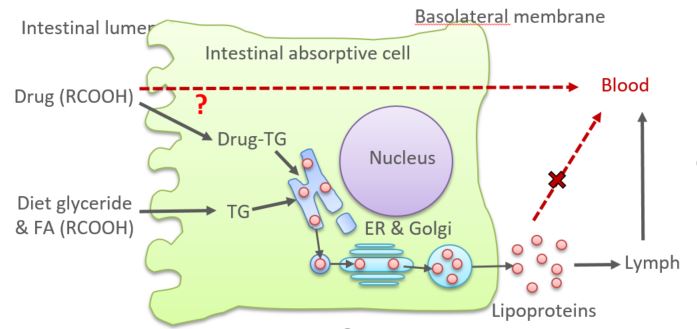
Drugs with carboxylic acid functional groups can be recognized by enzymes that metabolize fatty acids. This can result in formation of drug-lipid conjugates such as triglyceride (TG), phospholipid or cholesterol ester like compounds (1). For example, 4.5-9% of the anti-inflammatory ibuprofen in the blood circulates in the form of a TG conjugate. Ibuprofen is esterified to glycerides in fat where ibuprofen-TG conjugate concentrations are ~20 fold higher than in the blood. Despite this literature no studies have previously explored whether drug-TG conjugates are formed in the intestine and drug-TG conjugate formation has only been explored for a limited number of drug classes. This is surprising given that the intestine re-synthesizes TG from dietary fatty acids and glycerides in substantial amounts every day. This knowledge is important as drug-TG conjugate formation will influence the route of drug absorption from the intestine (lymph vs blood) (2), drug distribution to sites of lipid storage (e.g. fat, liver) and ultimately drug distribution to target and off-target tissues where therapeutic and toxic effects are mediated. This project will determine the efficiency of drug-TG formation for a range of drug substrates with different structures and will investigate the role of the intestine when compared to other tissues (fat, liver etc) in drug-TG formation. The student will learn a range of laboratory skills such as cell and tissue culture, LC-MS-MS analysis and fluorescent imaging. The data will inform design criteria for drugs, particularly those for diseases promoted by disturbances in lipid metabolism such as obesity, atherosclerosis and type 2 diabetes. 1. Fears, Prog Lipid Res. Vol. 24, pp. 177-195, 1985
Contact
Leave this here so that Accordion nested does not detect this CT as not existing. -
Acute disease (AD) is usually managed in emergency and intensive care settings, and includes sepsis, trauma, haemorrhagic shock and pancreatitis. Worldwide, 20 million people per year are admitted to intensive care units with AD and of these 30% die. Death results when AD progresses from an acute systemic inflammatory response syndrome (SIRS) to multiple organ dysfunction syndrome (MODS). Current management of AD is generic, including fluid resuscitation, enteral feeding, antibiotics and vital organ support. Effective and disease specific treatments that stop the progression to SIRS, MODS and organ failure are critically needed. Recent findings in our collaborators lab have identified gut-lymph as a source of toxic factors that promote SIRS and MODS. According to the gut-lymph hypothesis blood flow to abdominal organs is reduced in AD in order to maintain perfusion of vital organs. This results in gut ischemia and breakdown, and the release of toxic factors that drain into the gut-lymph. Toxic gut-lymph flows into the thoracic lymph, bypasses the liver and enters the systemic circulation via the subclavian vein. Toxic gut-lymph subsequently damages vital organs remote from the gut. This project will address the gap in effective and disease-specific treatments for AD via the development of approaches to target candidate treatments to gut-lymph. The project aims to: 1. Develop novel drug delivery systems to target gut-lymph in AD, 2. Demonstrate that gut-lymph targeted delivery systems facilitate improved treatment of experimental AD. The project will involve interaction with our synthetic chemistry team and AD specialists in NZ. The student will receive training in drug delivery and pharmacokinetics, cell culture, analysis (LC-MS-MS) and AD models.

Contact
Leave this here so that Accordion nested does not detect this CT as not existing. -
We have developed nanostructured surfaces that allow the direct and quantitative analysis of small molecules in body fluids including saliva, urine, sweat, blood and breath by means of laser desorption ionisation mass spectrometry.
This platform technology has many exciting applications: we initially focussed on non-invasive illicit drug detection in collaboration with the Australian Federal Police, then started to pursue detection of doping substances funded by the World Anti-Doping Agency and now are also engaging in collaborations with clinicians to detect and quantify small molecular biomarkers for cancer and neurodegenerative disease. For example, lung cancer (LC) is the leading cause of cancer related deaths worldwide and there is not a synchronised method for detection/treatment. Our technology is conducive to enabling informed disease management through early LC detection directly from body fluids.
Several projects are available for interested Honours students.
Contact
Leave this here so that Accordion nested does not detect this CT as not existing. -
An early and accurate diagnosis of cancer is essential to improve treatment outcomes. The next generation of medical imaging technology combines MRI and PET, and new imaging agents are required to optimally exploit the synergy of both modalities.
In this project you will develop a new imaging agent based on our silicon nanoparticle platform and you will be able to work with CSIRO and Australian’s only research dedicated MR-PET scanner at Monash Biomedical Imaging.
You can expect to learn about the synthesis of porous silicon nanoparticles, functionalization with polymers and chelators, radiochemistry (zirconium-89) and the basics of MRI/PET imaging.
Contact
Leave this here so that Accordion nested does not detect this CT as not existing. -
This research project will extend the capability of our nanotechnological platforms and electrochemical bionsensing capabilities towards a wearable patch that enables non-invasive, pain-free sampling of sweat for the monitoring of physiological events and the diagnosis of diseases.
The project aims to develop a nanostructured electrochemical biosensor. Using nanoarchitectures, we seek to develop, optimise and validate a diagnostic sweat-based biosensor able to detect metabolite levels (glucose, lactate) and, ultimately, proteins such as interleukins, tumour necrosis factors and neuropeptides, as levels remain significantly similar in plasma and sweat. This biosensing platform will provide a novel approach for addressing the current challenges in reliable diagnostic biosensors that can be integrated onto wearable device platforms.Contact
Leave this here so that Accordion nested does not detect this CT as not existing. -
Nanostructures on biological surfaces are fascinating. They make butterfly wings iridescent, help geckos defy gravity, keep shark skin free of bacteria, and repel water from flower petals. In human bodies, the architecture of the extracellular matrix has been linked to cancer formation and metastasis. Our lab has also discovered that the topography of the nanostructures within tissues, such as spinal cord and tendon, can guide the differentiation of adult stem cells to the major cell types of the respective tissues. Thus, nanostructures on the surfaces of cells, tissues, and organisms play a central role in life, and are at the intersection between materials science, chemistry and biology.
We aim to understand how these nanostructures work in nature. Studying these nanostructures is difficult, because native biological surfaces contain a complex, intertwining combination of factors that prevents a systematic investigation of the functions of surface topographies. We seek to copy these topographical signals to a new surface, away from their original biochemical context, and hence without the interference from other factors. Moreover, like deciphering a new language, we plan to vary these signals in a systematic, controlled manner, in order to elucidate their meanings and functions.
Combining the research strength of the Monash Institute of Pharmaceutical Science (MIPS), the Melbourne Centre for Nanofabrication (MCN), and the City University of Hong Kong (CityU), we aim to record the 3D architecture of biological surfaces (such as those in mammalian tissues and on marine organisms), "print" these nano-features with synthetic materials, and characterise the biological behaviours of microorganisms and human cells on these surfaces.
Cancer cells actively remodel nanostructures of the tissue they reside in to ‘build’ a favourable environment for cancer progression and spreading. This project aims at characterizing the tumour microenvironment by directly transferring the nanostructures of tumour biopsies onto synthetic materials, and systematically altering the features of the original tissue structures in order to find out the physical parameters within the microenvironment that compile the cancer progressing signal. The result will benefit future cancer drug/therapy development with respect to extracellular matrix remodelling and allow the better design of in vitro cancer models.
Depending on the scientific interest of the student, this research project may involve mammalian cell culture, surface topographical characterisation (Atomic Force Microscopy), nano-scale printing (Nanofrazor), cell staining, and microscopy.
Contact
Leave this here so that Accordion nested does not detect this CT as not existing. -
Porous silicon nanoparticles are very promising as a drug carrier thanks to their high porosity, biodegradability and biocompatibility. However, when using hydrophobic or ionic interactions, it is often difficult to fully control drug release. Therefore we would like to investigate several responsive linkers that will provide controlled and long-term release of drugs. These linkers will release the drug in specific conditions (e.g. using lower pH in tumour microenvironment, in presence of enzymes or via a novel click-release mechanism).
In this project you will investigate several responsive drug linkers and incorporate these into polymers, prepare polymer-coated porous silicon nanoparticles and evaluate the suitability of each responsive linker for controlled drug release.
You can expect to learn about organic chemistry, polymer chemistry, functionalization of silicon nanoparticles and how to carry out drug release studies in physiological media and in cells.
Contact
Leave this here so that Accordion nested does not detect this CT as not existing. -
Antimicrobial resistance (AMR) is a growing global health challenge that threatens the effectiveness of many current treatments for infectious diseases. As bacteria and parasites become increasingly resistant to existing drugs, there is a need to identify new drug targets and develop new therapies to treat these infections.
This project focuses on the discovery and characterisation of small-molecule inhibitors targeting malaria parasites and bacterial pathogens. The project may involve:
- Identifying and characterising novel anti-infective compounds with new modes of action
- Discovering and validating drug targets in malaria parasites and bacteria
- Investigating how small molecules interact with their targets to support the development of improved anti-infective agents
Students will gain research experience across microbiology, biochemistry, structural biology and mass spectrometry. This project is suitable for students with an interest in infectious diseases and drug discovery, and provides an opportunity to contribute to research addressing an important global health challenge.
Contact
Leave this here so that Accordion nested does not detect this CT as not existing.