
New discovery: ‘Switching off’ enzyme prevents diet-induced obesity, other metabolic diseases
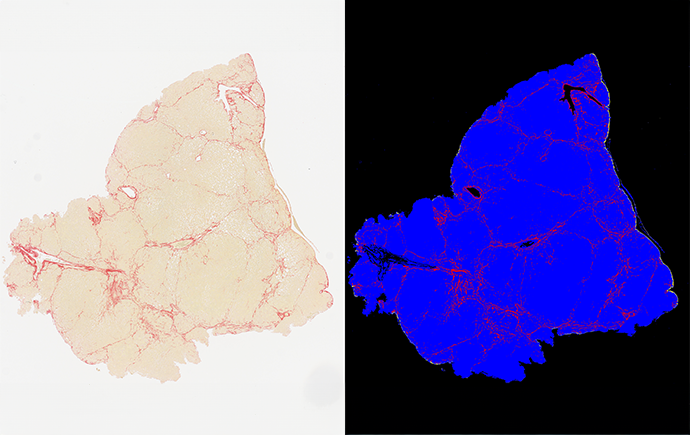
Microscopy image of a liver section, supplied by Monash University
24 September 2025
An international team led by Monash University and Baylor College of Medicine, Texas, has found ‘switching off’ an enzyme called CaMKK2 in immune cells that drive inflammation prevents diet-induced obesity, diabetes and fatty liver disease.
CaMKK2 (Calcium/calmodulin-dependent protein kinase kinase 2) helps regulate how cells and the whole body use energy, and also controls inflammation driven by macrophages – a type of immune cell which lives in almost every tissue and sends signals to other cells to turn inflammation on or off.
In mice that were genetically altered so their macrophages lacked CaMKK2, the team behind the Molecular Metabolism study found the mice were protected against the harmful effects of a high-fat diet, including obesity and other metabolic diseases.
Dr John Scott from the Monash Institute of Pharmaceutical Sciences (MIPS), a lead author on the study, said the discovery shows CaMKK2 is a key player in how macrophages affect metabolism and inflammation.
To read the full article, visit here.