


Technology has become a key tool in our fight to maintain learning during a global pandemic. But not every nation has used technology in the same way. Where some countries had sophisticated and wide-spread education technology programs already when covid-19 hit, others did not.
Monash Education researchers asked teachers in Asia how they approached remote learning during COVID-19 compared to Australia. Here’s what we learned.
In some places, maintaining learning with lockdowns meant developing content for radio channels and TV stations. For others, new learning platforms and devices were distributed to students.
To better understand how other nations and education systems addressed learning in lockdown, we tapped into a network of colleagues in South-East Asia to see what they did differently to Australia.
Singapore's experience
In some ways Singapore was ready for the closure of schools.
The SARS outbreak in 2003 had prepared Singaporeans for pandemic disruptions. And even before this, teachers in Singapore were nurturing the relationship between learning and ICTs (Information Communication Technologies).
The 1997 ICT Masterplan for Education in Singapore promotes effective learning with ICT, infrastructural support, school ICT leadership and teacher professional development.
The Student Learning Space (SLS) — launched in 2018 and followed by a framework of e-pedagogical strategies — supports the use of ICT and active learning, which promotes thinking and discussion among students.
So when the COVID-19 circuit breaker was implemented from April 2020 in Singapore, the move to online learning was quick and easy.
Educators leveraged online communities and digital resources to share ideas for effectively implementing home-based learning.
Teachers also shared examples of learning from technology through short units of ICT-delivered lessons, learning with technology by using ICT as a thinking tool, and learning through technology with online discussions.
Encouragingly, and despite the pandemic, educators forged ahead with a transcendental use of technology1 — using ICT for knowledge-building among students.2
Brunei's experience
Brunei also had a smooth transition to online teaching and learning as the country went into lockdown.
Teachers quickly transitioned to various online platforms like Microsoft Teams, Google Classroom, Zoom and mobile apps such as WhatsApp. To support teachers during lockdown, Brunei Darussalam Teachers Academy provided webinars on how to use digital platforms for teaching and learning.
However, the transition had challenges regarding accessibility to devices and the cost of connectivity. The Ministry of Education (MOE) prepared home learning packages for students and live lessons for primary students were streamed on national television.
A joint initiative with MOE and national network provider DST reduced the cost of accessing e-learning applications and platforms such as OneDrive, Zoom and Google Drive for all institutions across the country.
Indonesia's experience
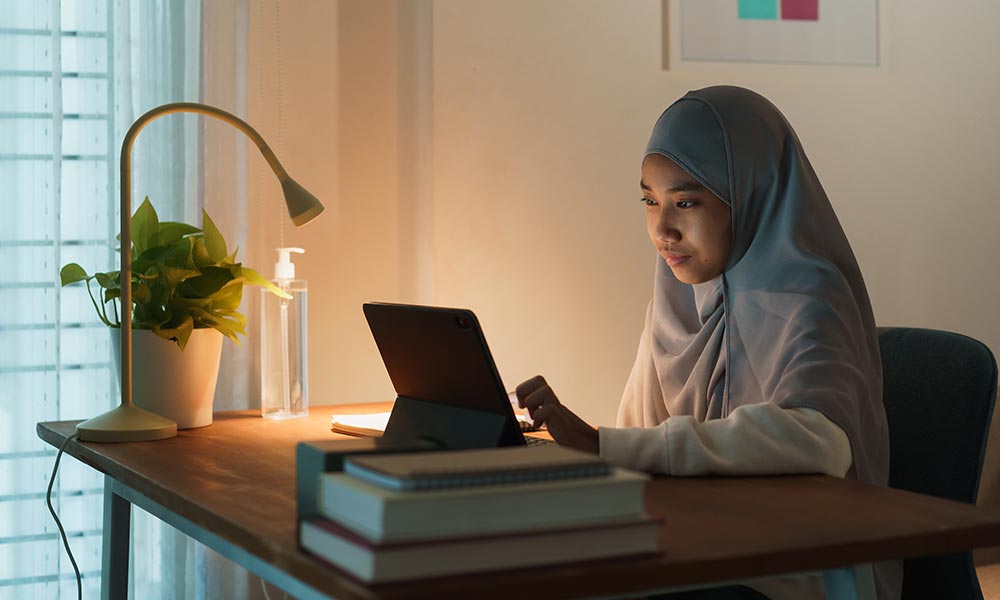
For the education system in Indonesia, going online is not the default answer when schools close. Here, teachers found solutions that fit their students’ context and situation, and which helped address the digital divide.
Some teachers prepared worksheets and asked parents to collect these from the schools and return them at the end of the week. Home visits were another alternative for students with no access to the internet and for early learners who needed a teachers’ presence.
Local state radio and TV were effective channels to reach students in places where local media is more accessible and does not require parents to buy internet data.
Some teachers used low-bandwidth tech tools such as WhatsApp, Telegram and Facebook, and repurposed these for teaching, collaborating, sharing content and doing activities.
Australia's experience
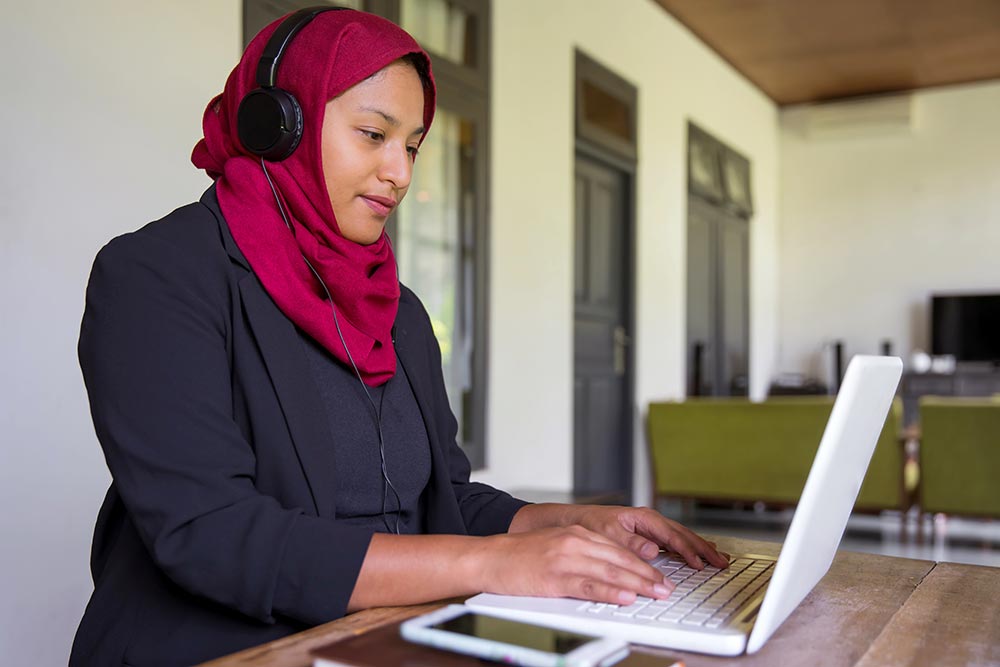
Teachers in Australia told us the pandemic pushed them to explore new approaches to teaching.
Initially, many teachers just translated their classroom materials to online versions, with similar content. But over time, they shifted their practices from online teaching toward online learning.
This shift continues to evolve even now as some schools re-organise the structure of their school day and how subjects are taught. They may consider a flipped or blended approach to learning.
Some teachers expressed a desire to capitalise on their learning during the repeated lockdowns, focusing on an improved practice of teaching and newfound teaching expertise, rather than the negative impacts of the pandemic.

What we can learn from this
We celebrate the incredible achievements of teachers across all these countries over the past 18 months.
Although there is a digital divide within and between each of the four countries discussed here, great creativity for working with technologies has occurred.
We saw teachers and communities transform their lesson delivery from classrooms to radio broadcasts and television, and use different digital platforms to reach students rather than a one-size fits all.
The affordability of social media and technologies meant learning could still occur for many children. In 2019 we had technologies in the classroom. By 2020 technologies have become the classroom. And in 2021, we see technologies transcend the classroom.
In speaking to our teachers, we know online teaching is not the same as online learning. Online learning is more likely to occur if the teacher is doing more than replicating their classroom lessons on a technology platform.
The teacher needs to use the technology to promote thinking and discussion. Lessons then become opportunities for learning with and through technology to create transcendental learning.
References
- Magana, S. (2017). Disruptive Classroom Technologies: A framework for innovation in Education. Corwin.
- Teo, C. L., Tan, S. C., & Chan, C. (in press). Pedagogical transformation and teacher learning for knowledge building: Turning covid-19 challenges into opportunities. Canadian Journal of Learning and Technology.