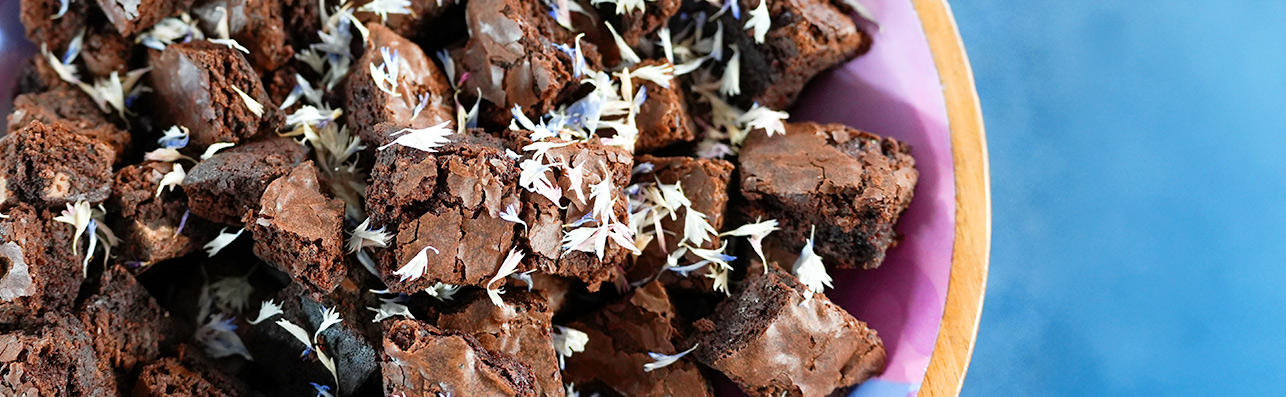
NAIDOC Week offers an opportunity to reflect, connect, and honour the enduring strength and rich culture of Aboriginal and Torres Strait Islander peoples. The 2025 theme, The Next Generation: Strength, Vision & Legacy, calls educators and communities to support young people as carriers of cultural knowledge and custodians of Country.
One way this can be nurtured is through food, especially through native bushfoods. In Australian classrooms, native plant and bushfood education offers a meaningful bridge between past and present, science and story, nourishment and respect.
Monash Edcuation's Indigenous Industry Fellow, Kylie Coleman, and sister Kursty Coleman, share deep intergenerational knowledge of bushfoods. Their workshops, storytelling and recipes, bring native ingredients to life, showing how simple recipes can help embed Indigenous perspectives in education in accessible, respectful ways.
The significance of Bushfoods
In Indigenous culture, bushfoods are more than ingredients, they are stories, medicines, teachings, and living connections to Country. Knowledge of plants like saltbush, river mint, and warrigal greens has been handed down for thousands of years, carefully refined through observation, trial, and memory.
Kursty and Kylie speak of plants as companions; seasonal, responsive, generous. Saltbush, for example, not only flavours food but stabilises soil and maintains its own water table. Bower spinach grows where the branch meets trunk, echoing the balance of ecosystems and kinship. And the banksia flower was traditionally used to filter water, an early form of ecological engineering that teaches both ingenuity and respect.
Many native foods, like native raspberry, lemon myrtle, and pepperberry, are nutrient-dense, environmentally sustainable, and carry strong, original flavours. Bringing them into classrooms invites students to connect with Australia’s oldest living cultures through the simple act of preparing and sharing food.
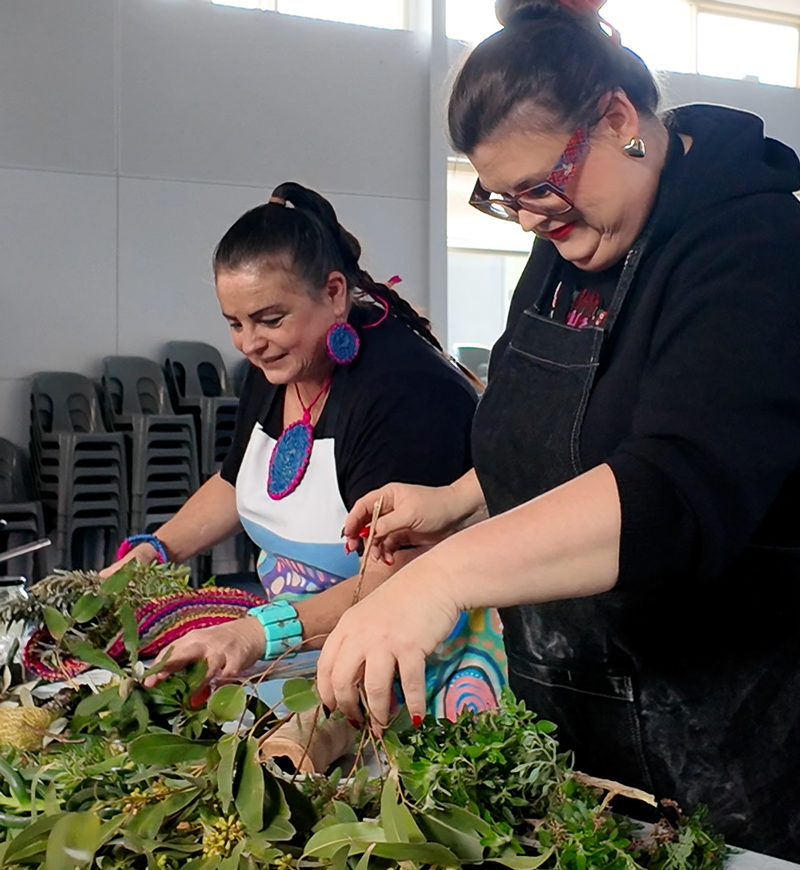
Kylie and Kursty Coleman
Bushfoods in the Classroom
When students learn about native plants, they’re engaging in a cultural understanding that includes science, history, geography, and ethics, which supports teachers in successfully embedding the Aboriginal and Torres Strait Islander Histories and Cultures cross-curriculum priority across learning areas.
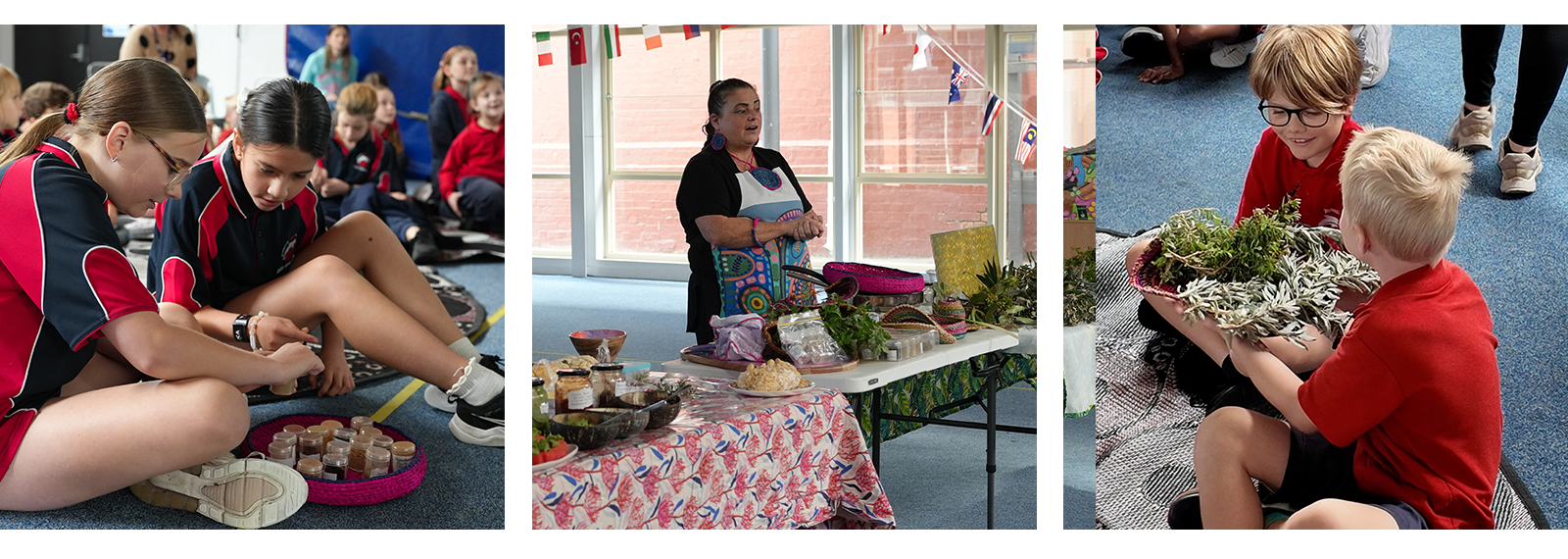
Kursty and Kylie encourage a respectful, practical approach. Start small: grow warrigal greens in pots, learn the story of the rounded noon flower, compare native mint varieties. Allow space for sensory exploration, smelling crushed mint, tasting damper, noticing the shape of leaves. Always acknowledge the Traditional Custodians of the land and, when possible, collaborate with local Indigenous communities or educators.
A key reminder from Kylie:
“We do the best we can with what we’ve got.”
Whether using native plants or suitable alternatives, the essence of the lesson is what matters; care, curiosity, and a willingness to learn together.
Recipes from Your Green Perspective

Making Bushfoods Accessible
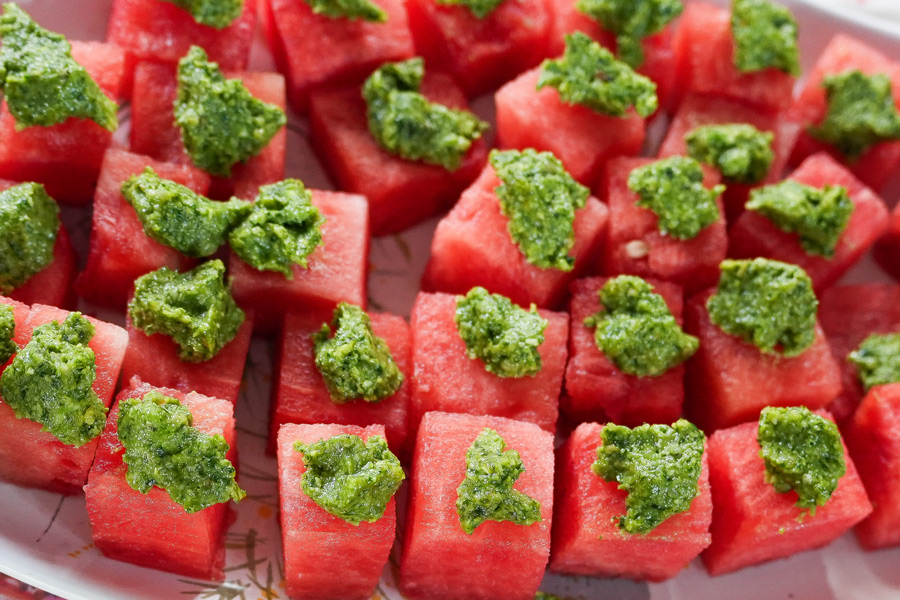
While some native ingredients can be foraged, many are also available through Indigenous-owned suppliers and local native nurseries.
If certain plants are hard to find, substitute thoughtfully; english spinach for warrigal greens, mint for river mint. Focus on the principle of using what’s available while still centering Indigenous stories and knowledge.
Beyond NAIDOC week, bushfoods can become part of everyday classroom culture. Teachers can use native herbs in science experiments, explore seasonal calendars in geography, or map out food sources in Australia.
Conclusion
Bringing native plant education and bushfoods into classrooms is a meaningful act of reconciliation, sustainability, and respect. It allows students to connect with Country, and honour Indigenous knowledge holders like Kursty and Kylie.
Tip for educators: Try Kylie and Kursty’s recipes from Your Green Prescription. Share them with your students. Talk about where the ingredients come from and whose stories they carry.
Monash University recognises that its Australian campuses are located on the unceded lands of the people of the Kulin Nations, and pays its respects to their Elders past and present.