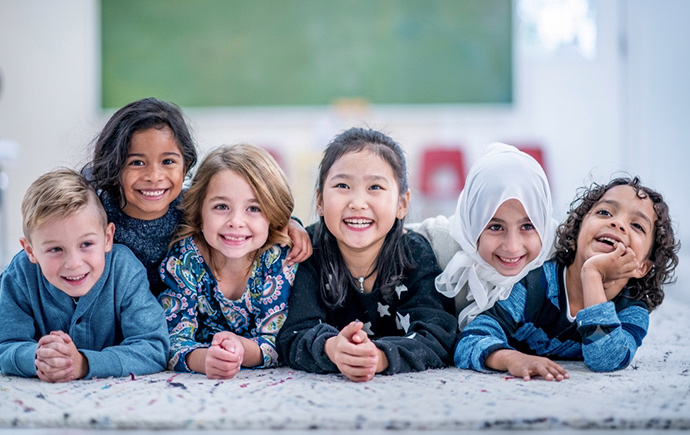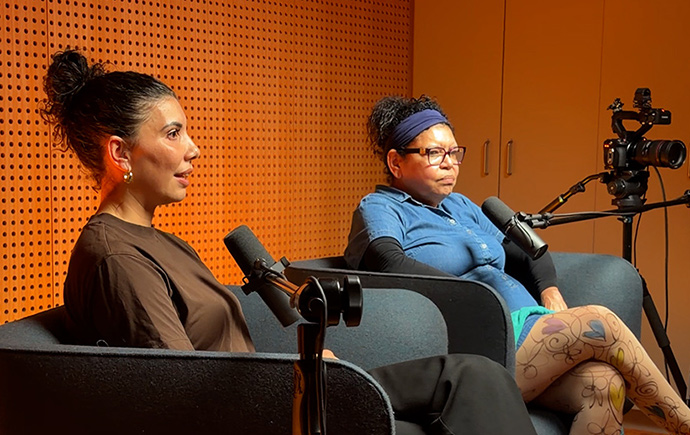
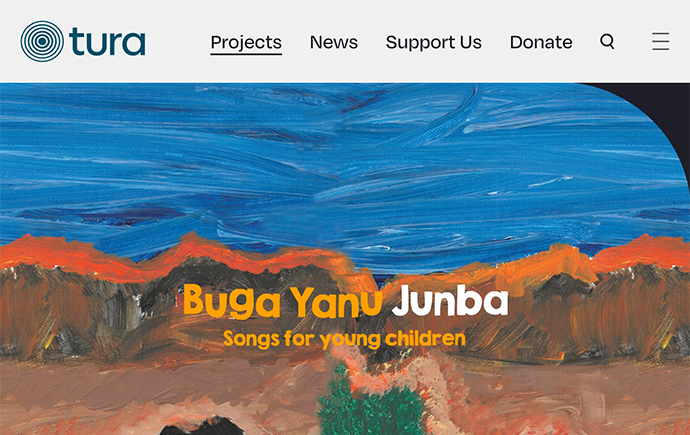
One example of what can occur with strong community partnerships is the Buga Yanu Junba project in Fitzroy Crossing – a collection of songs in Bunuba, Gooniyandi, Walmajarri, Kimberley Kriol and English – that helps young children learn their heritage languages. Created by a large team of early childhood educators, language specialists and community members in collaboration with musician and researcher Dr Gillian Howell, local organisations and Tura’s Sound FX program, it shows what is possible when we work together.
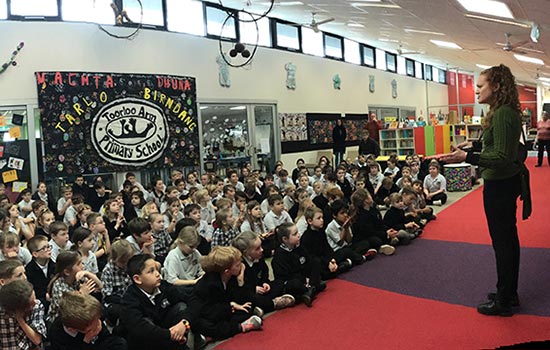
Around Australia, more schools are singing in Aboriginal and Torres Strait Islander languages – often called First Languages – as part of language revitalisation, and as a way of embedding Indigenous perspectives in school classrooms.
This work can be exciting and powerful, but it is also complex. It involves local histories, living cultures, language sovereignty, deep relationships with community and care for Country.
This TeachSpace article offers some starting points and considerations for teachers who want to get involved in ways that are respectful, sustainable and genuinely supportive of First Nations communities.
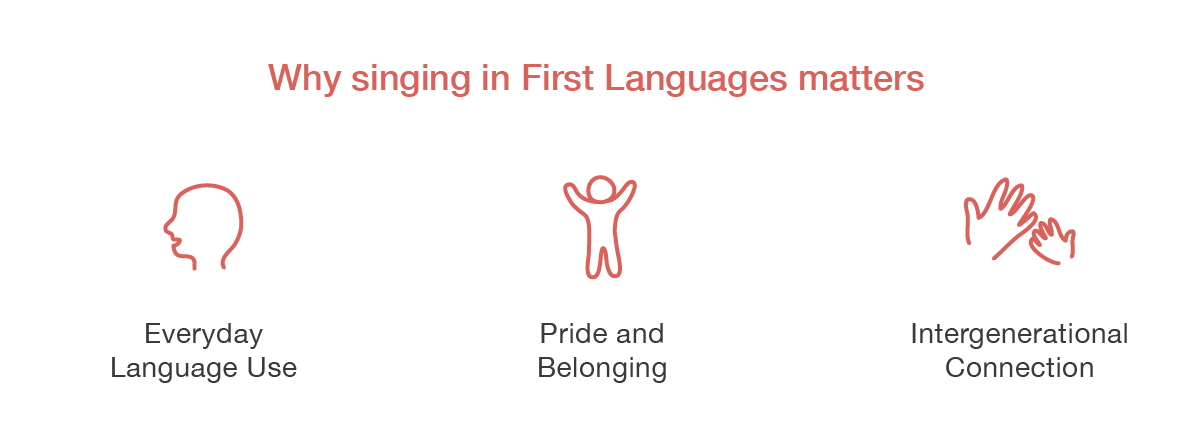
Why singing in First Languages matters
Song has carried Aboriginal and Torres Strait Islander communities’ languages, knowledges and stories for thousands of generations. Songlines and songspirals connect people, Country, ancestors and future generations.
Today, many communities are co-creating new songs in language with and for young people. The Singing Indigenous Languages Collective (SILC) examples show how song creation can:
- grow everyday use of First Languages
- build pride and belonging for children and young people
- strengthen intergenerational connections between Elders, families and schools.
School-based projects work best when they sit alongside and support community-led language work, rather than replacing or overshadowing it. That means paying attention to power – who decides, who benefits and whose knowledge is centred when First Languages are sung at school.
Key considerations to help guide non-Indigenous teachers get started:
Understanding the specific cultural and linguistic context
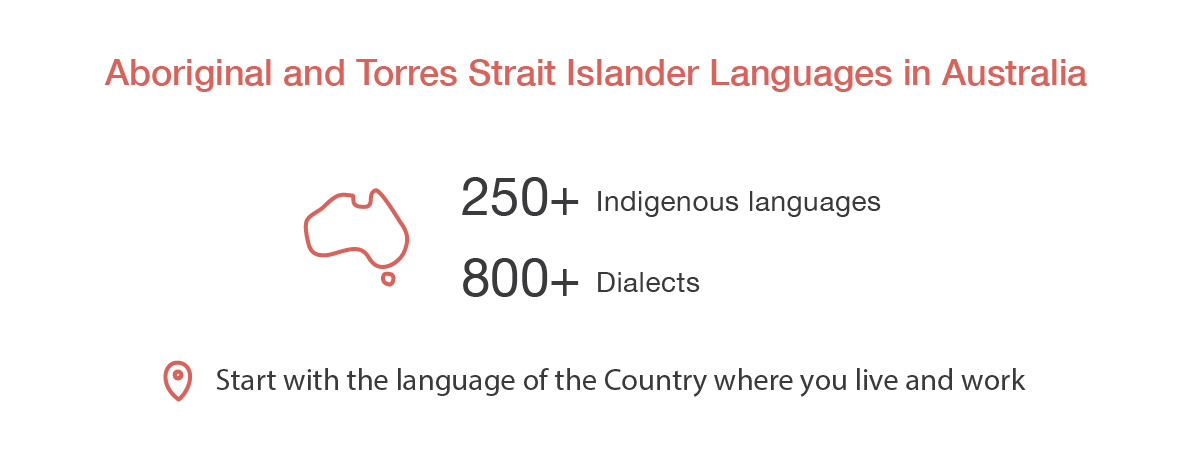
There are more than 250 Aboriginal and Torres Strait Islander languages and around 800 dialects across the continent (AIATSIS). Many of these languages are considered ‘endangered’ and are in different stages of reclamation and revitalisation.
Language sovereignty is central to First Nations peoples’ ongoing fight for justice. This means Aboriginal and Torres Strait Islander communities must lead decisions about how their languages are shared and used.
As there are diverse views about when, where and by whom First Languages should be spoken and sung, it is essential to listen to Traditional Custodians from where you live and work.
It helps to understand:
- Aspirations – What are First Peoples’ goals for language, culture and education in your region?
- Local leadership – Who are the language and cultural leaders? What are their goals and needs?
- Existing language use – Where is the language already being spoken and sung outside school? Do community programs already exist?
- School-community alignment – How might your school’s goals align with local community goals?
- The role of music – Which parts of the language revitalisation process can singing and music-making support best? For example, pronunciation, everyday phrases or cultural concepts.
Building your cultural competency through self-reflection
A frequent concern from teachers regarding Indigenous language and culture in the classroom is “We’re not sure what we are allowed to do and not do”.
This is understandable. Cultural responsiveness is ongoing professional learning. No one expects you to know everything, but all of us can take responsibility for learning.
Singing in First Languages is not just a musical choice – it is also a political and cultural act. For many communities, speaking and singing in language was forbidden for a long time. For many, to sing in First Languages on unceded land is a radical act of resistance and healing.
For many, to sing in First Languages on unceded land is a radical act of resistance and healing
There is now a wealth of guidance from Indigenous scholars, educators and communities on culturally responsive practice. Tools such as AITSL’s Indigenous Cultural Responsiveness Self-Assessment Tool can help you identify your strengths and next steps.
As teachers thinking about creating or using songs in First Languages with students, it can help to ask:
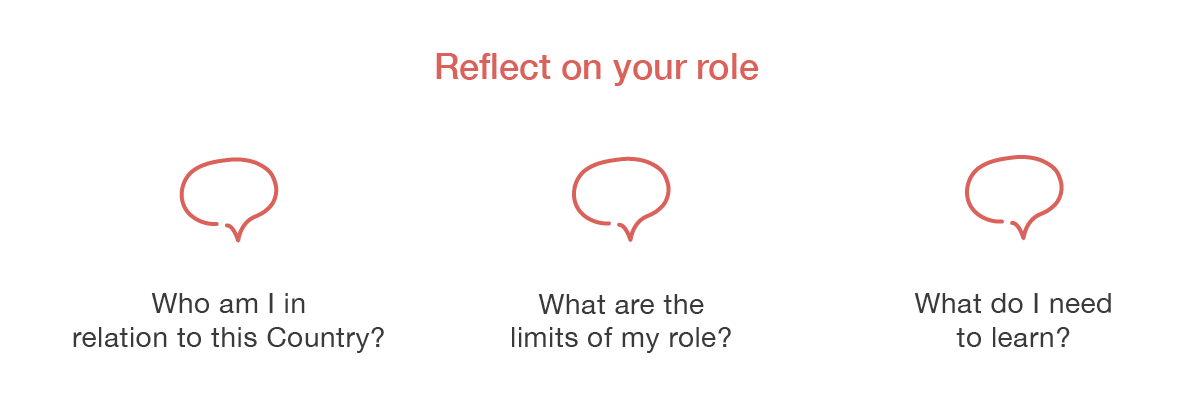
- Who am I and my ancestors in relation to the Country and its language I’m living and working on?
- What do I bring and not bring to First Peoples and the community in this place and what are the limits of my professional role?
- What else do I need to learn to better serve First Nations interests?
Honest answers can help teachers decide whether to step forward, step back, or walk alongside others in different ways.
Supporting Indigenous-led programs can be a more appropriate first step.
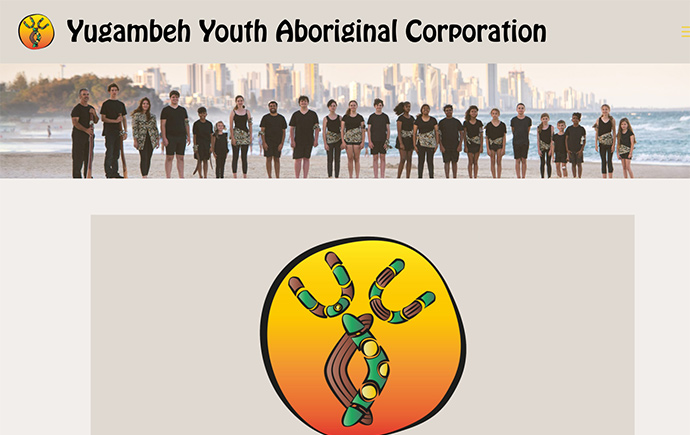
One example is the Yugambeh Youth Choir based on the Gold Coast that centres youth cultural pride and community leadership, who also share resources. Dr Candace Kruger is a leading advocate for “singing languages alive” through inclusive singing approaches for all, but with Indigenous education and leadership at the forefront.
Continuing the journey
Creating and singing songs in Aboriginal and Torres Strait Islander languages with students can be deeply rewarding work. It can also be challenging, and it should be. The complexity is part of doing the work well.
The Singing Indigenous Languages Collective (SILC) provides a starting point for inspiration, information and deeper cultural understanding. The SILC is a network of Indigenous and non-Indigenous practice-based scholars who share a vision for co-created social action and the importance of song as a vehicle for learning, healing and change.
If teachers would like to explore this work further, connect with SILC at: singingindigenouslanguages@gmail.com
Most importantly, remember that respectful engagement with First Languages is not a one-off project – it is a long-term commitment to relationships, learning and allyship, with children’s and communities’ wellbeing at the centre.
Resources
Anderson, P. Yip, S. Y., & Diamond, Z. (2022). How ready are Australian schools to help First Nations children succeed at school?, Teach Space.
Shipp, C. (2013). Bringing Aboriginal and Torres Strait Islander perspectives into the classroom: Why and how. Literacy Learning: The Middle Years, 21(3), 24-29.
Solomon-Dent, L. Kruger, C., Hall, C. Plant, B., Henon, R. (2021). The power of song: sharing First Nations languages through music, Teach Space.
Tudor-Smith, G., Williams, P. & Meakins, F. (2024). Bina: First Nations Languages, Old and New. La Trobe University Press: Melbourne, Australia.