
Drug Discovery Biology
Our research in pharmacology and drug discovery has a sustained impact on the understanding and treatment of major global health burdens.
.
-
GPR37 is a class A orphan GPCR highly enriched in the CNS in oligodendroglia and dopaminergic neurons in SNc. Previous studies show that GPR37 is implicated in the pathophysiology of Parkinson’s disease (PD), including toxic accumulation of the misfolded and insoluble form of the receptor. Additionally, GPR37 and its ectodomain expression (N-terminal cleavage) is elevated in substantia nigra and cerebrospinal fluid (CSF) of patients with sporadic PD. Recent studies suggest that prosaposin, neuroprotectin D1 (NPD1) and osteocalcin are endogenous ligands for GPR37, although the validity of each ligand-receptor pairing remains under debate. The signalling transduction pathways of GPR37 are poorly characterised but GPR37 has been shown to activate calcium mobilisation and pERK1/2 via Gi/o proteins.
This project will thoroughly investigate constitutive activity and the pharmacology of prosaposin, NPD1 and osteocalcin at GPR37 using TRUPATH, beta-arrestin recruitment, calcium mobilisation and pERK1/2 assays at full length and N-terminally-cleaved (Δ1-167 and Δ1-54) GPR37. Flow cytometry will be performed to quantify relative expression of GPR37 at the cell surface and intracellular compartment. This body of work will add to our understanding of methods of targeting GPR37 as a potential therapeutic for neurodegenerative disorders.
Contact
Leave this here so that Accordion nested does not detect this CT as not existing. -
Background:
Diabetic cardiomyopathy is a common complication of diabetes. It is characterised by left ventricular (LV) diastolic dysfunction (impaired cardiac muscle relaxation), increased LV reactive oxygen species (ROS) generation, cardiac fibrosis, cardiomyocyte hypertrophy, increased cardiomyocyte apoptosis and is often accompanied by later onset of LV systolic dysfunction (impaired cardiac muscle contractile function). When left untreated, diabetic cardiomyopathy can lead to heart failure and death, so there is an urgent need for an effective treatment.Our laboratory is interested in the hexosamine biosynthesis pathway (HBP), an alternate, minor fate for glucose metabolism (as opposed to the more predominant glycolysis and the pentose phosphate pathway), as a potential target for treating diabetic cardiomyopathy. It is estimated that very small amounts of glucose normally shuttle through the HBP, leading to the production of another type of sugar molecule, called GlcNAc. This sugar can attach to proteins, via a post-translational modification (PTM) of proteins known as O-GlcNAcylation, hence altering their function. What makes this PTM unique is the fact that is only regulated by two distinct, opposing enzymes. O-GlcNAC transferase, OGT, facilitates the addition of GlcNAc onto proteins to make them O-GlcNAc modified. Conversely, O-GlcNAc-ase, or OGA, removes the GlcNAc molecule to restore protein function. In diabetes, there is an increased flux through the HBP, leading to an increase in global O-GlcNAcylation, which in the heart has been associated with the development of diabetic cardiomyopathy.
We have developed a gene therapy encoding the human isoform of the OGA enzyme, which specifically targets the heart to remove the O-GlcNAc molecule in order to reduce global cardiac O-GlcNAcylation in diabetic heart. We propose that the increase in cardiac OGA will limit diabetes-induced cardiac remodelling and improve cardiac function.Project aim:
The aim of this project is to investigate whether targeting the hexosamine biosynthesis pathway in the hearts of diabetic mice may be used as a potential treatment for diabetic cardiomyopathy.Techniques:
This project will involve extraction of RNA and protein from heart samples from non-diabetic and diabetic mice. This will be followed by RT-PCR and western blotting to investigate whether OGA gene therapy counteracts the detrimental impact of diabetes on the heart, by examining changes in expression of the specific genes and proteins responsible for the structural and functional impairments implicated in diabetic cardiomyopathy. The student will also use histological techniques to visualize impact of diabetes on cardiac morphology (including fibrosis, ROS dysregulation and inflammation) in the absence and presence of gene therapy. Changes in various components of the hexosamine biosynthesis pathway will also be examined.Contact
Leave this here so that Accordion nested does not detect this CT as not existing. -
Demyelinating disorders such as multiple sclerosis, as well as psychiatric conditions including depression and schizophrenia, are characterised by impaired myelin formation and repair, representing a major unmet clinical challenge. Effective remyelination requires tightly regulated signalling processes within oligodendrocyte progenitor cells, yet the molecular mechanisms controlling these pathways remain incompletely understood. GPR17 is an orphan G protein–coupled receptor that has emerged as a key regulator of oligodendrocyte differentiation and myelination. Dysregulated GPR17 expression has been linked to failed remyelination, positioning the receptor as a promising therapeutic target. However, little is known about how its intracellular localisation and trafficking influence its function.
This project aims to define the trafficking and cellular dynamics of GPR17 in both recombinant systems and oligodendrocyte-like Oli-neu cells. To enable precise monitoring of receptor localisation under endogenous conditions, a SNAP-tagged version of GPR17 will be generated in oli-neu cells using CRISPR-mediated genome editing. Parallel studies in recombinant HEK cells will provide a controlled system to dissect trafficking mechanisms.
Receptor trafficking will be assessed in HEK cells using BRET-based localisation sensors, where the tagged receptor is paired with compartment-specific markers fused to YFP. This approach enables quantitative, real-time measurement of receptor proximity to defined cellular compartments, including the plasma membrane, early endosomes, late endosomes, and recycling endosomes. Ligand-dependent trafficking will be examined following stimulation with GPR17 agonists such as MDL29951 to characterise activation-induced internalisation and receptor fate. In addition, antagonist compounds will be used to investigate how inhibition of receptor activation influences trafficking behaviour and receptor localisation. These studies will be extended to CRISPR-engineered Oli-neu cells to assess GPR17 trafficking in a more physiologically relevant context.
Together, this work will provide detailed insight into the spatial and temporal regulation of GPR17 trafficking using quantitative, proximity-based approaches. Understanding how receptor localisation is modulated by pharmacological ligands will advance our understanding of GPR17 biology and support the development of therapeutic strategies for demyelinating disorders.
Contact
Leave this here so that Accordion nested does not detect this CT as not existing. -
Dysregulation of synaptic signalling is a central feature of many neurological and psychiatric disorders, including schizophrenia and cognitive disorders, where impairments in synaptic plasticity such as long-term potentiation (LTP) contribute to altered brain function. GPR52 is an orphan G protein–coupled receptor highly expressed in the striatum and cortex, brain regions critical for cognition and motor control. As a Gs-coupled receptor, GPR52 signals through cAMP-dependent pathways and is increasingly recognised as a potential therapeutic target. However, the molecular mechanisms controlling GPR52 function, particularly the role of receptor phosphorylation in shaping downstream signalling, remain poorly understood.
Recent mass spectrometry studies have identified multiple phosphorylation sites on GPR52, providing a strong foundation to investigate how these modifications regulate receptor activity. This project aims to define the kinases responsible for these phosphorylation events and determine how they influence GPR52 signalling outputs. A panel of phosphorylation-deficient GPR52 mutants targeting validated phosphosites is available and will be functionally characterised in cell-based systems.
Receptor signalling will be quantified by measuring changes in cAMP production and β-arrestin recruitment, enabling assessment of phosphorylation driven alterations in Gs signalling and arrestin-dependent pathways. In neuronal systems, cAMP dynamics will be monitored using a Flamindo-based cAMP sensor, allowing real-time tracking of signalling in a physiologically relevant context. To identify kinases responsible for site-specific phosphorylation, selective kinase inhibitors will be applied in both recombinant systems and human iPSC-derived cortical neurons, enabling perturbation of signalling pathways and functional mapping of kinase–substrate relationships.
Together, this work will define how phosphorylation regulates GPR52 signalling, linking phosphosite identity to kinase activity and downstream functional outcomes. These insights will advance understanding of GPR52 biology and may inform the development of new therapeutic strategies targeting dysregulated neuronal signalling in neurological and psychiatric disorders.
Contact
Leave this here so that Accordion nested does not detect this CT as not existing. -
Schizophrenia is a chronic psychiatric disorder characterised by positive, negative, and cognitive symptoms, with cognitive impairment representing a major unmet therapeutic need. Converging evidence suggests that dysfunction of glutamatergic signalling, particularly NMDA receptor hypofunction, contributes to both cognitive deficits and psychosis through disruption of prefrontal cortical and striatal circuitry.
GPR52 is an orphan Gs-coupled GPCR highly expressed in the prefrontal cortex and striatum, regions implicated in schizophrenia pathophysiology. As a result of its unique expression profile and ability to modulate cAMP signalling, GPR52 has emerged as a potential therapeutic target for schizophrenia. Recent findings suggest that GPR52 may also regulate glutamatergic signalling, with GPR52 co-expression reducing NMDA receptor-mediated calcium responses in HEK293T cells. Preliminary data further indicate that GPR52 activation lowers the threshold for chemically induced long-term potentiation (cLTP) in hiPSC-derived cortical neurons, suggesting a previously unrecognised role in synaptic plasticity.
The mechanisms underlying these effects remain unclear. As GPR52 can signal through both G protein- and β-arrestin-dependent pathways, this project will investigate whether NMDA and AMPA receptor activity influences GPR52-mediated β-arrestin signalling and whether receptor interactions contribute to altered synaptic plasticity. Understanding how GPR52 functionally and spatially interacts with glutamate receptors may provide new insights into the regulation of excitatory neurotransmission and reveal novel therapeutic opportunities for schizophrenia.
The effects of NMDA and AMPA receptor activation on GPR52-mediated β-arrestin signalling will be characterised in HEK293T cells. β-arrestin recruitment following GPR52 agonist treatment will be quantified under conditions of NMDA or AMPA receptor activation before or after GPR52 stimulation to determine whether glutamate receptor activity alters the potency or maximal efficacy of GPR52 signalling. In parallel, endogenous and GPR52-transfected hiPSC-derived cortical neurons (Day 42) will be used to investigate whether GPR52 activation and chemically induced LTP influence receptor trafficking. Following treatment, neurons will be fixed at multiple time points and stained for GPR52, NMDA and AMPA receptor subunits, and endosomal markers to assess receptor internalisation and determine whether GPR52 co-localises with glutamate receptors during activity-dependent trafficking. Collectively, this work will provide mechanistic insight into how GPR52 regulates synaptic plasticity through β-arrestin signalling and receptor trafficking pathways.
Contact
Leave this here so that Accordion nested does not detect this CT as not existing. -
GPR17 is an orphan G protein coupled receptor which is highly expressed in oligodendrocyte progenitor cells. It consequently is involved in myelination with inhibition of this receptor presenting itself as a novel treatment for demyelination disorders including multiple sclerosis, depression and Schizophrenia. Thus, there has been a lot of interest in GPR17 focussed drug discovery.
Recently, the structure of ligand-free, Gai1 coupled GPR17 was solved. However, previous work in our laboratory has indicated that the receptor is able to couple to other G proteins which may contribute to the endogenous signalling profile. This project aims to characterise GPR17 signalling by multiple G proteins utilising pharmacology (TruPath G protein recruitment assays) and structural studies trying to establish complexes between the receptor and the different G proteins informed by the pharmacology. In this way, this project will provide important information for future drug discovery at GPR17 which could identify novel therapeutics for the treatment of demyelination related diseases.
The project will encompass the following techniques; cell culture (mammalian and insect), genetic manipulation of cells (transfections and transformation), BRET based recruitment assays, baculovirus generation, protein expression and purification, western blotting, negative stain CryoEM.
Contact
Leave this here so that Accordion nested does not detect this CT as not existing. -
Our lab is interested in the biology and therapeutic potential of targeting Class C G protein-coupled receptors (GPCRs). We are predominantly focussed on two class members: metabotropic glutamate receptor subtype 5 (mGlu5) and the calcium-sensing receptor (CaSR). mGlu5 is an exciting new target for schizophrenia, Alzheimer's disease, autism spectrum disorders and depression, whereas modulators of the CaSR are already in the clinic for hyperparathyroidism and are putative therapeutics for osteoporosis, calcium handling disorders, asthma and idiopathic pulmonary arterial hypertension. We are pursuing a novel class of therapeutics, called allosteric modulators, to selectively target these receptors. To facilitate rational drug design and discovery efforts, a better understanding of the functional consequences and structural basis of allosteric modulation is needed.
Available projects examine:
- the structural basis of Class C GPCR activation and allosteric modulation;
- the influence of dimerisation on allosteric modulator pharmacology;
- the impact of chronic vs acute exposure to allosteric modulators on mGlu5 & CaSR activity.To test our hypotheses, we have access to a diverse allosteric modulator collection. Techniques applied may include molecular biology, high-throughput second messenger assays, primary neuronal culture, recombinant cell culture, protein chemistry, photoaffinity labelling, immunoblotting, computational modelling, medicinal chemistry and single cell imaging.

Contact
Leave this here so that Accordion nested does not detect this CT as not existing. -
Modulating the activity of the major excitatory neurotransmitter, glutamate, is an attractive therapeutic strategy for mental health and neurodegenerative disorders as well as select neurological conditions, such as spinal cerebellar ataxias. Our team recently identified a new signalling pathway linked to metabotropic glutamate (mGlu) receptors, which is typically associated with metabolism. This project aims to decipher the mechanisms linking mGlu receptors to this metabolic response, and how this new signalling pathway can be pharmacologically modulated with allosteric ligands for therapeutic benefit. The project may involve molecular biology, molecular pharmacology, culturing recombinant cells and/or primary neurons, high-throughput signalling assays and imaging-based approaches.
Contact
Leave this here so that Accordion nested does not detect this CT as not existing. -
Cellular responses are encoded by highly organised intracellular signals initiated from the plasma membrane. This signalling can occur in very small domains of the cell (plasma membrane, endosomes, nucleus) and is regulated in space and time. The lab is interested in understanding how these signals are initiated and controlled by G protein-coupled receptors, and how they can be dysregulated during diseases such as cancer, to drive metastatic progression. Available projects examine:
1. Dysregulation of GPCR signalling in breast cancer
2. Manipulation of spatial signalling using optogenetics (light-activated GPCRs)
3. Development of novel imaging methods to measure spatial signalling
4. Unique spatial signalling by ultra-low concentrations of GPCR ligands Techniques frequently used in the lab include cell culture, confocal and high-content imaging, signalling and invasion assays, western blotting and proteomics.

Contact
Leave this here so that Accordion nested does not detect this CT as not existing. -
Stem cells are cells that can self-renew or, under the influence of appropriate signals, differentiate into mature cells, such as neurons, cardiac muscle or kidney cells. While the idea of stem cells as therapeutics to treat a variety of maladies has captured the public imagination, stem cells also offer us the opportunity to investigate basic physiological processes as well as develop pathophysiologically appropriate models of disease and platforms for drug screening. The focus of my laboratory is the generation of bona fide models of human disease using human stem cells differentiated into neurons, cardiomyocytes or kidney cells (podocytes). The idea is to use these stem cell model systems to probe for changes in cell function or survival that may be associated with, for example, inflammatory mediator-induced stress or specific genetic mutations.
At present our main research interests lie around podocyte dysfunction in Alport Syndrome-related renal failure and inflammatory mediator-related dysfunction of dopaminergic neurons in Parkinson's disease. Broadly speaking these stem cell projects are likely to utilize cell culture techniques, plate based and fluorescence imaging assays along with some simple immunocytochemistry as well as genomic and or proteomic screening. Under certain circumstances these projects may be expanded to include mass spectrometry and or high performance liquid chromatography.
Contact
Leave this here so that Accordion nested does not detect this CT as not existing. -
The high prevalence of obesity and Type 2 diabetes worldwide has prompted substantial research on processes of energy utilisation and storage in several key metabolic organs/tissues including the pancreas, adipose tissue, cardiomyocytes and skeletal muscle. In Australia the incidence of Type 2 diabetes increased to 2.7 million in 2012. Diabetes is characterised by defects in the action of insulin in peripheral tissues and/or defects in pancreatic insulin secretion. Obesity has been implicated in additional diseases including inflammation, cardiovascular disease, cancer and arthritis. Increased physical activity and reduced intake of energy-rich foods often have limited long-term success, highlighting the need for pharmacological approaches to weight loss and glucose homeostasis. G protein-coupled receptors (GPCRs) represent attractive targets for the treatment of metabolic disease as they can elicit beneficial metabolic responses without interacting with the impaired insulin-stimulated signalling pathway.
The projects available are focussed on the role of GLP1R and GIPR in metabolic disease. Specific projects change yearly, to provide up to date research into the field, and can be tailored to individual needs and interests. Projects can involve in vivo studies using mouse models of obesity and Type 2 diabetes, or ex vivo studies which can involve processing of samples obtained from in vivo studies, or in vitro studies in islets, adipocytes or skeletal muscle cells.
Contact
Leave this here so that Accordion nested does not detect this CT as not existing. -
Our lab is interested in understanding how our DNA affects the way that we respond to medicines, also known as pharmacogenetics. We are particularly interested in how pharmacogenetics affects protein structure and function as many available therapeutics don’t work the same way for everyone, making it difficult to predict who will respond well and who won’t. One example of the impact of pharmacogenetics is seen in patients diagnosed with autosomal dominant hypocalcaemia type I (ADH1).
ADH1 is a rare genetic disorder resulting in low extracellular calcium, magnesium, and parathyroid hormone. ADH1 is caused by one of more than 90 gain-of-function mutations that potentiate the activity of a cell surface G protein-coupled receptor (GPCR) called the calcium-sensing receptor (CaSR). The CaSR responds to elevated calcium by parathyroid hormone secretion and promoting renal excretion of calcium and other salts to restore physiologically normal calcium concentrations. While no CaSR targeting drugs are currently approved for ADH1, CaSR negative allosteric modulators (NAMs) have demonstrated efficacy in a phase II ADH1 clinical trial. NAMs bind to sites that are topographically distinct from the orthosteric (endogenous) calcium binding site and act to reduce calcium mediated activation of the CaSR. Although NAMs can normalise PTH levels in ADH1 patients and have shown promise in clinical trials, there were large variation in the endpoints achieved between patients harbouring different ADH1 mutations. This is likely caused by an underappreciation of the pharmacogenetic effects of CaSR mutations on NAM activity.
We aim to develop a comprehensive understanding of NAM pharmacology that is central to understanding how pharmacogenetics affects NAM activity. Available projects examine:
- The effect of ADH1-causing mutations on NAM pharmacology using HEK293 cells or parathyroid derived human pluripotent stem cells (hPSc).
- Cell surface expression of the ADH1-causing mutations using nano-luciferase assays.
- The structure-dynamic relationship of ADH1-causing mutations using hydrogen-deuterium exchange (HDX) mass spectrometry.
- The CaSR protein and RNA interactome of ADH-causing mutations in parathyroid derived hPSc using proximity labelling mass spectrometry and RNAseq
Key methods may include: aseptic cell culture techniques, high throughput cell signalling assays, molecular biology, protein expression and purification, mass spectrometry, structural biology.
Contact
Leave this here so that Accordion nested does not detect this CT as not existing. -
The study of neuronal GPCRs in native human tissue is mostly limited to frozen post-mortem brain samples, which limits the breadth of data that can be generated. A novel protocol using human stem cells to generate cortical neuronal cultures in a short time-frame will form the basis of a pharmacological and neurochemical project, with a focus on orphan GPCR targets for the treatment of schizophrenia and Alzheimer’s disease. The development of this new approach will open the door for the use of schizophrenia or Alzheimer’s patient stem cell samples for the study of novel GPCR drugs.
This project will involve the culture of human inducible pluripotent stem cells into a cortical neuronal phenotype and viral transduction of biosensors, quantitative real-time PCR, immunofluorescence and confocal microscopy; along with second messenger signalling using classical and biosensor methods.
The outcomes of this project will provide a detailed insight into the use of human stem-cell derived cortical neurons in the drug development pipeline, in addition to a further understanding of how orphan GPCRs may be exploited to treat neurological and neuropsychiatric disease.
Contact
Leave this here so that Accordion nested does not detect this CT as not existing. -
GPR52 is a brain-specific, orphan G protein-coupled receptor heavily implicated in CNS disorders, particularly schizophrenia. Using synthetic small molecule agonists, previous studies in our lab have identified the major signalling pathways downstream of the receptor in neurons, and the receptor’s role in striatal neurophysiology. However, little is known about the molecular and structural basis for small molecule activation of this important orphan receptor.
This project will
1. Extend these studies at the molecular level, using NanoLuc® Binary Technology (NanoBiT) to understand the preferred G protein-coupling of GPR52 in response to different synthetic small molecule agonists.
2. Investigate the expression and purification of GPR52 and appropriate G proteins in insect cells with the aim of forming G protein-bound complexes suitable for negative staining, single-particle cryo-EM, and structure determination.The student will learn a range of techniques, including cell culture, transfections, cell signalling assays, and protein expression and purification.
Contact
Leave this here so that Accordion nested does not detect this CT as not existing. -
Adenosine receptor (AR) stimulation represents a powerful cardioprotective mechanism, however the transition of canonical AR agonists into the clinic has been severely hindered due to high doses causing adverse effects such as bradycardia and hypotension. New paradigms of AR pharmacology including allosterism, dimerization and biased agonism have considerable clinical potential as they present the opportunity to develop therapeutics that promote desired, but minimize unwanted, on-target signal transduction.
Available projects examine:
1. The structural basis of allosterism and biased agonism at adenosine receptors;
2. The mechanism of biased agonism in cardiomyocytes and cardiac fibroblasts;
3. The role of adenosine receptor dimerization in cardioprotection;
4. The ability of AR biased agonists to prevent cardiac ischemia-reperfusion injury and the progression to heart failure, in the absence of adverse effects.To test our hypothesis, we have access to a novel and diverse pharmacological toolbox. Techniques applied may include molecular biology, high-throughput signalling assays, isolation of cardiomyocytes and cardiac fibroblasts, recombinant cell culture, computational modeling, fluorescent/radioligand binding, high-end fluorescence microscopy and ex vivo/in vivo models of cardiac ischemia-reperfusion.
Contact
Leave this here so that Accordion nested does not detect this CT as not existing.
-
Pharmaceuticals and lifestyle drugs are increasingly considered contaminants of concern for environmental and ecological health. Active pharmaceutical ingredients and metabolites are increasingly found in soils, biota, sediments, surface water, groundwater and drinking water. G protein-coupled receptors (GPCRs)-targeted pharmaceuticals, make up around 34% of all FDA approved pharmaceuticals target. Amongst other GPCR drugs, opioids, beta-blockers and their metabolites are frequently detected in wastewater streams globally.
These drugs target the GPCR orthosteric binding site recognised by the endogenous agonist, similar to the vast majority of FDA-approved GPCR-targeted pharmaceuticals. Orthosteric binding pockets shared by a common endogenous agonist are typically conserved across species. However, the binding affinity of human pharmaceuticals has not been systematically mapped across non-human species. Our project addresses this critical knowledge gap, mapping concentrations of contaminant pharmaceuticals in the environment with species most likely to be at risk.
Therefore, this project will identify at-risk non-human species by mapping the evolution of drug binding pockets for select FDA-approved beta-blockers, opioids and their metabolites that persist in the environment. Validation of computational approaches to predict non-human pharmacology at the different adrenergic and opioid receptor subtypes will enable ethical and rational selection of indicator species for detailed ecotoxicological profiling. As opioids and beta-blockers use continues along its upward trajectory, environmental risk minimisation of these drugs will be pivotal. Long-term, this models might be applied to structure-based design of novel drugs interacting with receptor regions lacking evolutionarily conservation.
Contact
Leave this here so that Accordion nested does not detect this CT as not existing. -
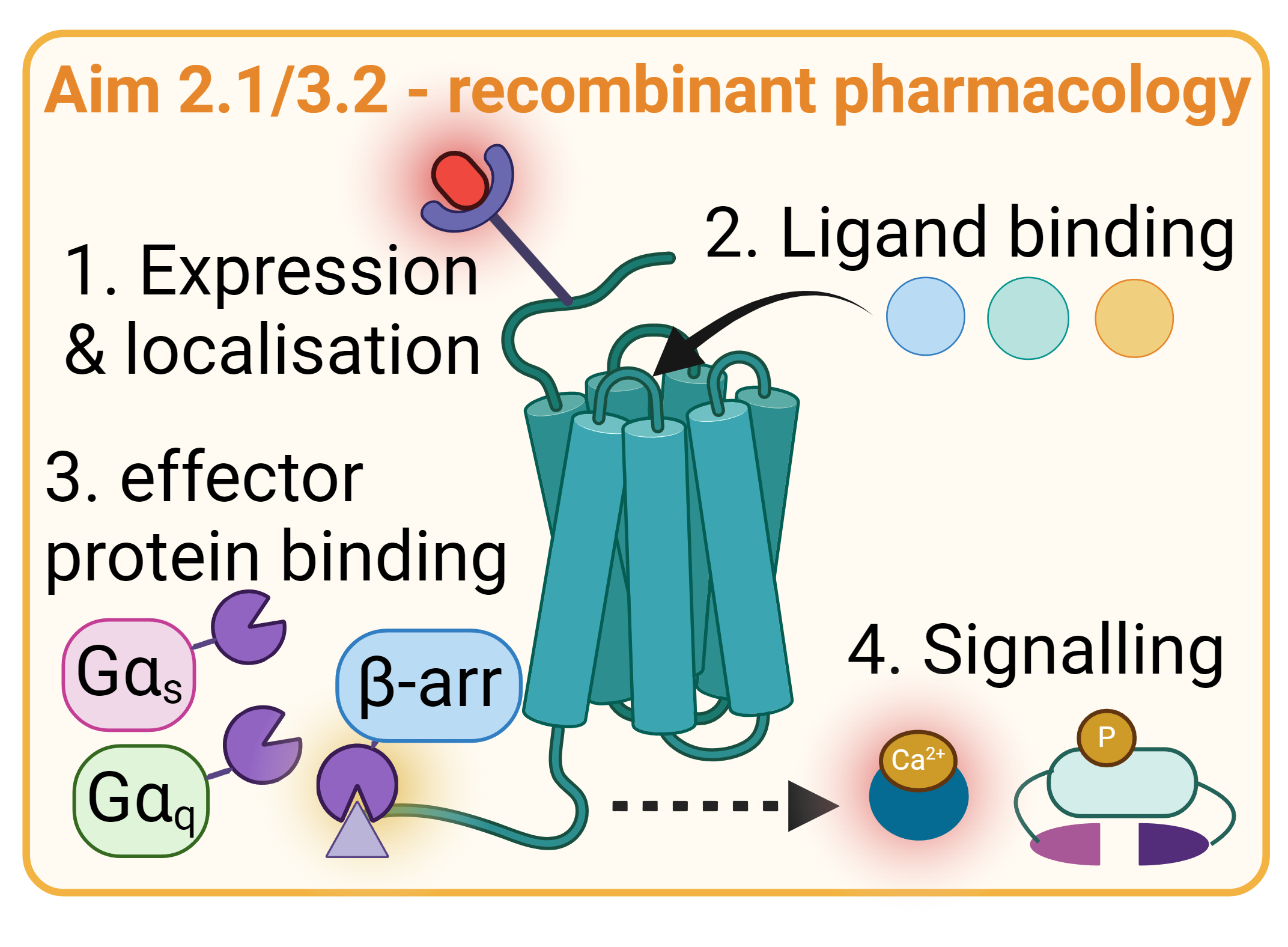 The trace amine associated receptor 1 (TAAR1) is emerging as a promising therapeutic target for psychiatric disorders including schizophrenia, anxiety and depression. Our recent analyses show significant genetic diversity linked to distinct geographical regions, with potential ramifications for the effectiveness of medicines under development, as well as future TAAR1 targeting agents. We propose to reveal the impact of naturally occurring single nucleotide variants on the molecular pharmacological properties of endogenous and synthetic TAAR1 agonists.
TAAR1 is predominantly expressed on intracellular membranes; therefore we will assess how different TAAR1 agonists influence receptor expression, sub-cellular localisation and signalling across multiple endpoints. Engagement with effector proteins (G proteins, arrestins) will also be assessed. An enhanced understanding of TAAR1 molecular pharmacology and influence of genetic variants will establish the foundations for effective drug discovery efforts against TAAR1. Toward this goal, we will evaluate the druggability of targeting alternate binding pockets within TAAR1 using artificial intelligence based virtual screening, coupled with robust high-throughput screening assays and analytical pharmacology.
These projects will utilise the following techniques: mammalian cell culture, transfection, luminescent/fluorescent based signalling assays, confocal microscopy, AI-assisted drug docking and screeningLeave this here so that Accordion nested does not detect this CT as not existing. -
Background:
The glucagon like peptide 1 receptor (GLP-1R) is a G protein coupled receptor (GPCR) that is an important therapeutic target for the management of type II diabetes. Despite FDA approval of several GLP-1R agonists for clinical use, these agonists vary in their clinical efficacies and adverse effect profiles. These observations suggest that a better understanding of agonist-dependent GLP-1R signalling is required to drive the design of improved GLP-1R agonists that are highly efficacious with limited adverse effects. Recent work on other GPCRs revealed that phosphorylation patterns, typically located within the receptor C-terminus, can code for different downstream signalling events. Importantly, these patterns of phosphorylation can be agonist-dependent. The C-terminus of GLP-1R is enriched with multiple phosphorylation sites, but little is known regarding which of these sites can be phosphorylated upon receptor activation, or if different agonists promote distinct phosphorylation patterns. The potential for agonist-specific ‘phosphorylation barcodes’ may underlie differences in observed signalling profiles of GLP-1R agonists, with different barcodes dictating which pathways are activated, or not activated, in response to GLP-1R activation. Uncovering whether there are agonist-specific phosphorylation patterns may have significant therapeutic implications in the design of drugs with can target certain GLP-1R-mediated signalling pathways, while avoiding others.Project aim:
This project aims to establish the role of C-terminal phosphorylation of the GLP-1R on ligand-dependent signalling. By using cell lines stably expressing GLP-1R with mutations introduced within the C-terminal tail, the contribution of specific phosphorylation sites to agonist-mediated GLP-1R second messenger activation and receptor trafficking profiles will be explored. Overall, this project aims to identify key phosphorylation patterns that drive agonist-mediated GLP-1R signalling.Techniques:
This project will use a wide range of techniques including mammalian cell culture, bioluminescence resonance energy transfer (BRET) assays to quantify in vitro protein-protein interactions and receptor trafficking, and cell signalling assays.Contact
Leave this here so that Accordion nested does not detect this CT as not existing. -
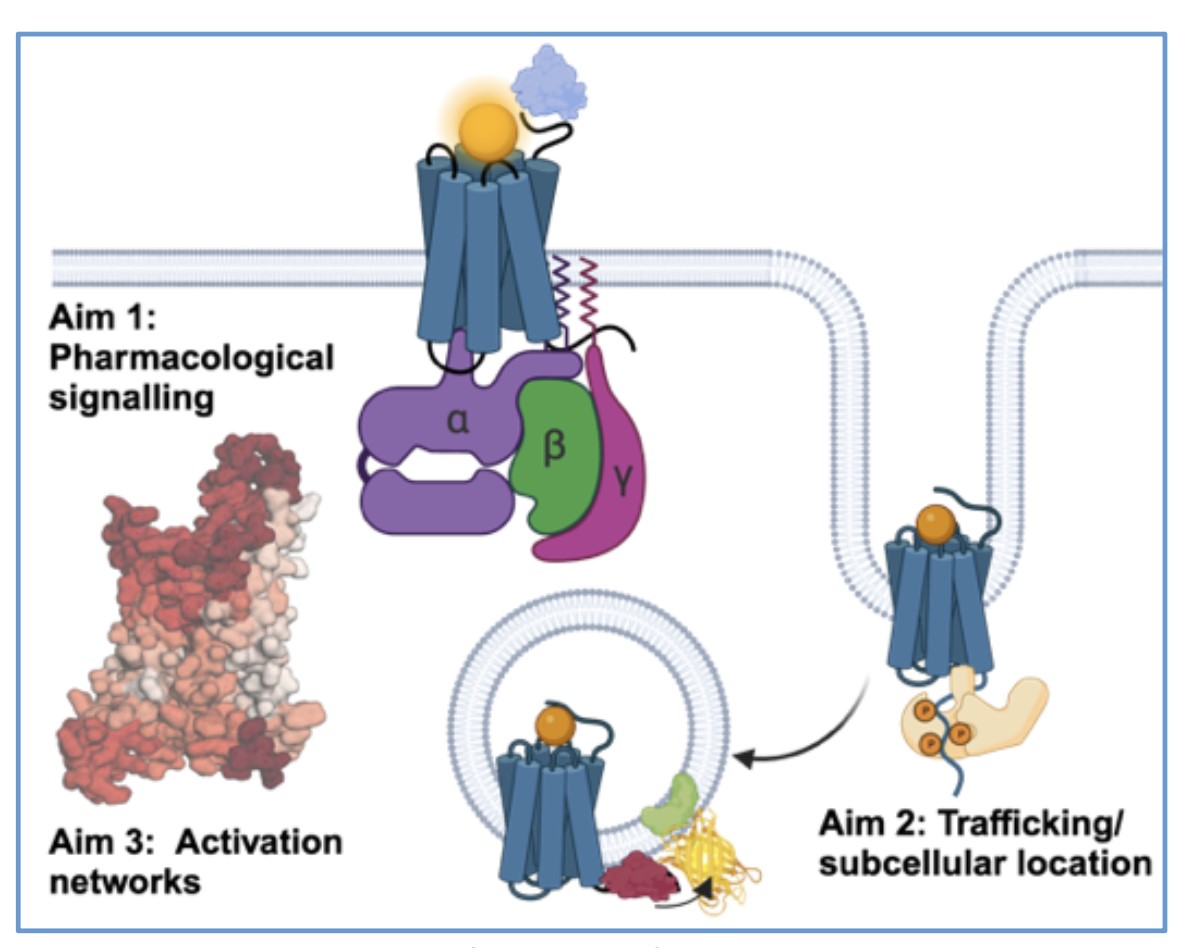
The interaction of plastic-derived pollutants with G protein-coupled receptors (GPCRs) represents an important yet largely unexplored dimension of environmental health research. This project aims to elucidate how plastic pollutants interact with GPCRs, specifically two critical cellular sensors: adenosine A1 receptors and G protein-coupled estrogen receptors. The molecular mechanisms underpinning A1R and GPER regulation by plastic pollutants will be explored using a combination of molecular biology, analytical pharmacology, molecular modelling, and artificial intelligence approaches. Specific aims: i) To establish the affinity of plastic pollutants for orthosteric and allosteric binding sites on the A1R and GPER, and the subsequent influence on signalling profiles, particularly G protein coupling. ii) To investigate A1R and GPER β-arrestin recruitment, trafficking and signalling in distinct subcellular compartments. iii) To reveal atomic mechanisms underpinning A1R and GPER activation through computational approaches.
Contact
Leave this here so that Accordion nested does not detect this CT as not existing. -
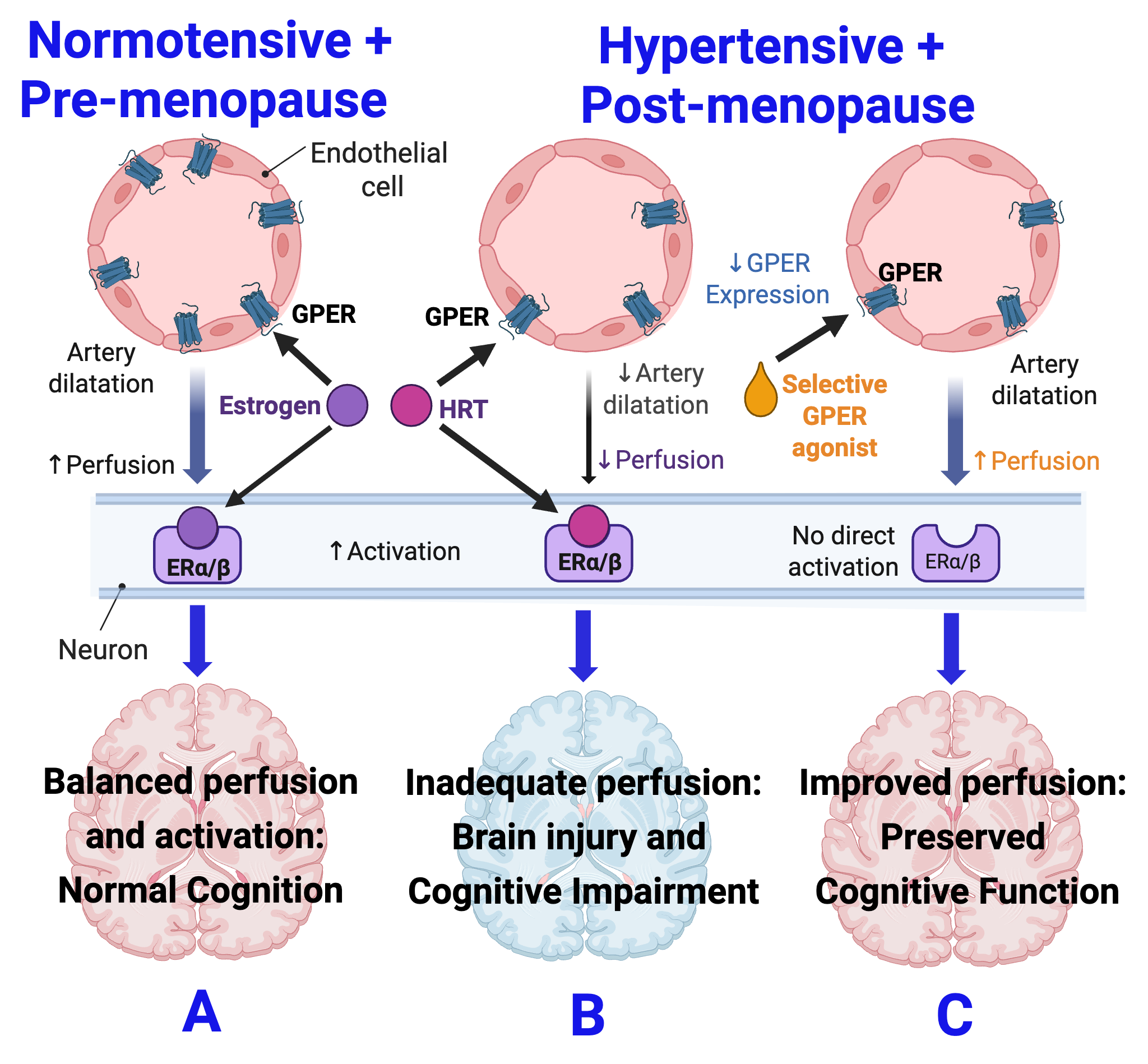 Dementia, affecting 57 million people globally in 2019, with estimates rising to ~150 million by 2050, is particularly prevalent in women. Postmenopausal hypertensive women undergo the fastest brain health decline, potentially due to reduced G protein-coupled estrogen receptor (GPER) signalling from lower postmenopausal estrogen levels. While GPER activation could combat dementia, current GPER agonists often suffer from poor selectivity and solubility, stressing the need for new, targeted treatments. This project aims to leverage artificial intelligence and computational biology to discover novel selective GPER ligands.
- Aim 1. Reveal atomic mechanisms of GPER selective agonism through deep learning approaches.
- Aim 2. Design novel selective GPER ligands
- Aim 3. Evaluate the efficacy of GPER ligands to reduce dementia-like changes in vivo.
Leave this here so that Accordion nested does not detect this CT as not existing. -
Inflammatory Bowel Disease (IBD) is a common and debilitating gastrointestinal disease with increasing prevalence. IBD, encompassing both ulcerative colitis (UC) and Crohn’s disease (CD), affects 1 in 250 Australians. At present, the etiology of these chronic relapsing disorders is unknown. Therapeutic strategies to treat IBD are suboptimal and continuous treatment is required to prevent symptom recurrence. This highlights the need for greater understanding of the underlying pathophysiology and for identification of novel strategies for IBD management. The non-selective cation channel TRPV4 is activated by mechanical stimulation and shear stress, by polyunsaturated fatty acids and through interaction with GPCRs. TRPV4 has been implicated in the development of experimental colitis through neurogenic and epithelial-mediated mechanisms.
We have recently demonstrated functional expression of TRPV4 by a range of macrophage subsets associated with colitis. Macrophages are major contributors to the pathophysiology of IBD. Moreover, there is emerging evidence for their roles in colonic motility and neuroimmune interaction. We hypothesise that TRPV4 is an integral mediator of macrophage function in the intestine, with key roles in the development of colitis.
This project will examine:
1) The TRPV4-dependent regulation of cytokine production and release by macrophages
2) The TRPV4-dependent alteration of macrophage morphology
3) Changes in TRPV4 function and expression by macrophages during colitis
4) GPCR-TRP interactions in macrophage functionKey Methods: Macrophage isolation and culture, Microscopy, Ca2+ imaging, ELISA, mouse models of colitis
Contact
Leave this here so that Accordion nested does not detect this CT as not existing. -
Inflammatory Bowel Disease (IBD) is a common and debilitating gastrointestinal disease with increasing prevalence. IBD, encompassing both ulcerative colitis (UC) and Crohn’s disease (CD), affects 1 in 250 Australians. At present, the etiology of these chronic relapsing disorders is unknown. Therapeutic strategies to treat IBD are suboptimal and continuous treatment is required to prevent symptom recurrence. This highlights the need for greater understanding of the underlying pathophysiology and for identification of novel strategies for IBD management. The non-selective cation channel TRPV4 is activated by mechanical stimulation and shear stress, by polyunsaturated fatty acids and through interaction with GPCRs. TRPV4 has been implicated in the development of experimental colitis through neurogenic and epithelial-mediated mechanisms.
We have recently demonstrated functional expression of TRPV4 by a range of macrophage subsets associated with colitis. Macrophages are major contributors to the pathophysiology of IBD. Moreover, there is emerging evidence for their roles in colonic motility and neuroimmune interaction. We hypothesise that TRPV4 is an integral mediator of macrophage function in the intestine, with key roles in the development of colitis.
This project will examine:
1) The TRPV4-dependent regulation of cytokine production and release by macrophages
2) The TRPV4-dependent alteration of macrophage morphology
3) Changes in TRPV4 function and expression by macrophages during colitis
4) GPCR-TRP interactions in macrophage functionKey Methods: Macrophage isolation and culture, Microscopy, Ca2+ imaging, ELISA, mouse models of colitis
Contact
Leave this here so that Accordion nested does not detect this CT as not existing. -
Background:
Pulmonary hypertension (PH) is an incurable pulmonary vasculopathy for which the efficacy of currently used drugs is extremely poor. Available therapeutics (e.g. sildenafil) improve quality of life but survival rates remain at <50% over 5 years. The GPCRs, formyl peptide receptors (FPRs), are integral to the regulation and resolution of inflammation. They have recently attracted attention as potential therapeutic targets for cardiovascular disorders, but conventional FPR activation leads to both pro- and anti-inflammatory downstream signalling, limiting the net efficacy of compounds acting at these receptors. In contrast, our recent landmark study demonstrated that our prototype small-molecule agent, Compound 17b (Cmpd17b) is a biased FPR agonist, meaning it shows ligand-dependent selectivity for certain signal transduction pathways of FPRs. Cmpd17b directs signalling away from detrimental pro-inflammatory mechanisms and towards beneficial pro-survival pathways. We demonstrated that Cmpd17b reduces cardiac inflammation and remodelling, and preserves cardiac contractility after heart attack, but we have not investigated its effectiveness in other cardiopulmonary disorders, such as PH. Our exciting preliminary observations show that Cmpd17b dilates pulmonary arteries and reverses pulmonary fibrosis. Thus, targeting FPRs with Cmpd17b (and similar novel biased agonists) may improve vascular function and attenuate remodelling simultaneously, to improve clinical management of PH in terms of survival and quality of life.Project aim:
The aim of this Honours project is to determine the therapeutic potential of novel FPR agonists to improve both vascular function and detrimental remodelling in PH. Biased FPR agonists may provide a superior therapeutic strategy for PH compared to conventional drugs. These novel FPR agonists might offer greater efficacy to target the underlying pathobiology of PH, as well as minimising negative side effects.Techniques:
It is anticipated that this project will involve pre-clinical models of PH, isolated pulmonary vascular function with wire myography, in vitro profiling of biased FPR agonist signalling fingerprints in human pulmonary vascular cells, and biochemical techniques including real-time qPCR, western blotting, immunohistochemistry and histology.
Contact
Leave this here so that Accordion nested does not detect this CT as not existing. -
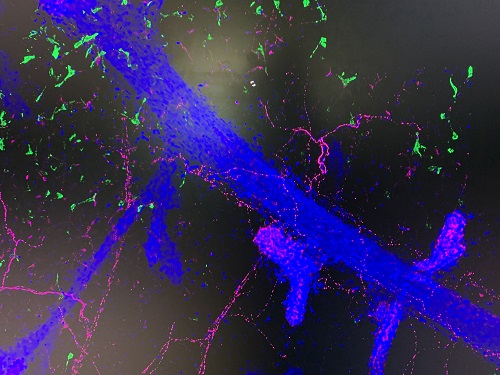
This project investigates how the nervous system regulates cancer progression and response to treatment. You will work with cells and in vivo models of cancer to understand neural-tumour interactions. You are encouraged to have an interest in cancer and a willingness to work as part of a team.
Contact
Leave this here so that Accordion nested does not detect this CT as not existing. -
Class B G protein-coupled receptors (GPCRs) respond to paracrine or endocrine peptide hormones and are involved in the physiology or pathophysiology of bone homeostasis, glucose regulation, satiety & gastro-intestinal function as well as pain transmission. As a result these receptors are targets for existing drugs that treat osteoporosis, hypercalcaemia, Paget’s disease and type II diabetes and are being actively pursued as targets for other diseases. These diseases represent a significant global health burden, however the therapeutic potential of these receptors is underutilised. There are currently high attrition rates in developing suitable small molecule drugs that target these receptors that speak to a lack of mechanistic understanding of how these receptors work. Understanding receptor structure, how ligands bind and the dynamic changes that lead to selective engagement of signalling is critical to drug design and effective control of disease.
We offer a number of projects in this area that use a range of approaches to understand Class B GPCR function, including protein mutagenesis, use of biochemical and biophysical techniques to examine receptor complexes and receptor dynamics, high end microsopic imaging and x-ray crystallography to generate high resolution structural data of stable conformations. In addition, we also combine this work with 3D protein modelling to understand drug and natural ligand docking and how specific receptor residues contribute to downstream receptor signalling.

Contact
Leave this here so that Accordion nested does not detect this CT as not existing. -
Allosteric modulation and biased agonism are to key concepts to all G protein-coupled receptors (GPCRs), which are currently the target of >30% of all FDA-approved medicines. These paradigms are revolutionizing modern drug discovery, and we investigate them using a multidisciplinary approach that encompasses structural biology, analytical pharmacology, biochemistry and cellular signal transduction, native tissue bioassays and preclinical animal models. We are particularly interested in understanding how the phenomena of allosteric modulation and biased agonism can be applied to GPCRs implicated in neuropsychiatric disorders, such as schizophrenia, and neurodegenerative disorders, such as Alzheimer’s disease.
This project will specifically focus on the identification, characterisation and validation of allosteric modulators and/or biased agonists of the muscarinic acetylcholine receptors (mAChRs).
Contact
Leave this here so that Accordion nested does not detect this CT as not existing. -
Opioids are essential pain relievers and anti-diarrheal drugs, but their use can be severely limited by debilitating side-effects. An alternative therapeutic strategy that largely avoids these side-effects is to harness the actions of endogenous opioids. These peptides, which are produced by neurons of the gut and by immune cells present in inflamed tissues, dampen neurotransmission and provide targeted pain relief. In this project, we will assess the potential use of a class of compounds known as allosteric modulators as a safe and effective approach to selectively enhance the actions of these naturally occurring opioids. Allosteric modulators target a site on opioid receptors distinct from where endogenous opioids bind. They only influence signalling when and where this occurs, allowing retention of the location and timing of cell signalling required for physiological processes.
We and others have identified the delta opioid receptor (DOR) as an emerging target for the treatment of pain and gut motility disorders. We will identify, characterize, and refine novel allosteric modulators of the DOR using a combinatorial approach of structural biology, medicinal chemistry, and molecular pharmacology analysis of DOR signalling in both in vitro and in vivo model systems. We will also assess the potential of lead DOR PAMS to normalize dysregulated gastrointestinal motility using in vitro and in vivo motility assays. We will determine whether enhancing signalling by endogenous immune-derived opioids is effective at reducing inflammatory pain. This project will significantly advance our understanding of the endogenous opioid system, the functional roles of DOR in disease, and will directly test the therapeutic potential of allosteric modulation to enhance the natural, targeted actions of opioids.
Contact
Leave this here so that Accordion nested does not detect this CT as not existing.
-
The search for a viable male contraceptive target has been a medical challenge for many years. Most strategies have focused on hormonal strategies to inhibit sperm production or germline strategies to produce dysfunctional sperm that are incapable of fertilization. The problem with such approaches is that they have intolerable side effects such as affecting male characteristics and sexual activity or causing long term irreversible effects on fertility. In addition, some developmental strategies may transmit detrimental changes to future offspring.
This project investigates a male contraceptive target within the autonomic nervous system, which would not affect the long term viability of sperm nor the sexual or general health of males. In addition, due to the nature of the target, the contraceptive has the potential to be orally administered and readily reversible. This project uses genetically modified mice and pharmacological agents to investigate the viability of this target using behavioural mating studies, isolated tissue experiments, sperm analysis, in vitro fertilization, immunohistochemistry, molecular biology and in vivo cardiovascular physiology experiments.
Contact
Leave this here so that Accordion nested does not detect this CT as not existing. -
The glucagon-like peptide-1 receptor (GLP1R) is a Class B G protein-coupled receptor (GPCR) that, upon activation, elicits a broad range of complementary effects which are of potential therapeutic benefit in type 2 diabetes. Two major recent developments in GPCR research are that (i) activation by different ligands can give rise to distinct signalling profiles (biased signalling) and (ii) some ligands can bind to distinct sites on the receptor to that of the endogenous ligand and either directly activate the receptor and/or modulate the signalling profile of the endogenous ligand (allosteric modulation). These phenomena hold great promise for successful drug development by sculpting physiological responses, however a critical knowledge gap is a detailed understanding of the signalling pathways that lead to beneficial effects over detrimental effects, and the relative importance of different signalling intermediates in exerting these effects.
We offer a range of projects studying the molecular basis and the physiological consequences of biased signalling and allosteric modulation at the GLP1R. These include receptor mutagenesis, molecular modelling and profiling of ligands (including SAR elaborations) across a wide range of cellular endpoints (signalling, (ie cAMP, calcium, ERK phosphorylation etc), receptor trafficking and regulation, cell proliferation and apoptosis, gene regulation) in both recombinant and native cellular expression systems. Translation of key mechanistic findings also requires understanding of these paradigms in model systems of physiology and disease.
We also offer projects examining wild-type and transgenic mice to understand the impact GLP1R-mediated signal bias and allosteric modulation on insulin secretion, glucose homeostasis, islet integrity, gastric emptying and neuronal activation. Model mouse systems include GLP1R knockouts and knock-ins of modified GLP1Rs that selectively activate distinct signalling pathways.
Contact
Leave this here so that Accordion nested does not detect this CT as not existing. -
Obesity is a chronic global health challenge that often accompanied by metabolic and gastrointestinal complications. Class B1 G protein-coupled receptors (GPCRs) play critical roles in regulating metabolism, energy balance, and gastrointestinal function, making them important therapeutic targets for obesity and related metabolic disorders. Among these, the GLP-1 receptor (GLP-1R) and GLP-2 receptor (GLP-2R) have attracted considerable interest due to their complementary physiological functions. While current GLP-1R agonists such as Ozempic are highly effective for weight loss, they often cause dose-limiting gastrointestinal side effects and do not address impaired gut health. In contrast, GLP-2R activation supports intestinal growth and helps maintain healthy gut function.
This project aims to investigate the structural basis of receptor activation by distinct peptide ligands using state-of-the-art cryo-electron microscopy (cryo-EM) and complementary molecular pharmacology approaches. By integrating structural and functional data, this research seeks to advance our understanding of how different peptide hormones engage and activate Class B1 GPCRs.
Contact
Leave this here so that Accordion nested does not detect this CT as not existing. -
Background:
The glucagon subfamily of receptors are class B1 G protein-coupled receptors (GPCRs) and include the glucagon (GCG) receptor (GCGR), the glucagon-like peptide-1 receptor (GLP-1R) and the glucose-dependent insulinotropic polypeptide (GIP) receptor (GIPR). These receptors modulate key physiological functions, for instance, appetite, glucose handling, cardiovascular tone, and immune response. Receptors belonging to the glucagon subfamily are expressed in tissues systems that include the pancreas, adipose and liver. In coordination with intracellular machinery, they initiate distinct physiological responses in both a tissue- and cell- dependent manner. As such, there is a pressing need to understand how these receptors are activated by their cognate peptide ligands, how these interactions are relayed to promote cellular signaling, and how these signals are regulated inside target cells. Moreover, individual endogenous ligands can differentially act on the same receptor to promote different signalling outcomes, a phenomenon termed biased agonism. While substantial advances have been made into understanding the structural and molecular basis for biased agonism, there are key gaps in our knowledge of how intracellular regulators of receptor signalling control the intensity and duration of response that is critical for normal integrated cell and tissue function. In particular, the contribution of Regulators of G protein Signalling (RGS) proteins that selectively modulate the texture of G protein responses is largely unexplored for members of the glucagon receptor family.Project aim:
The current project aims to interrogate the role of RGS proteins in mediating the function of the GCGR, GLP-1R and GIPR. The primary outcomes of the project will provide mechanistic insights into how signaling mediated by these receptors is regulated by RGS proteins, which will facilitate our understanding of how receptor activation can promote cell and tissue-specific physiological events.Techniques:
This project will use a broad range of techniques including cell culture, cellular signalling assays (ie, cAMP, ERK1/2 phosphorylation, Ca2+ mobilisation) and resonance energy transfer assays to detect receptor-receptor interactions, receptor interactions with transducers and regulatory proteins and to monitior receptor trafficking through different cellular compartments.Contact
Leave this here so that Accordion nested does not detect this CT as not existing.