Chowdhury Honours Projects
Dr Shawan Chowdhury
Global Change Ecology Lab
shawan.chowdhury@monash.edu
Projects
Minimising the global biodiversity data shortfall
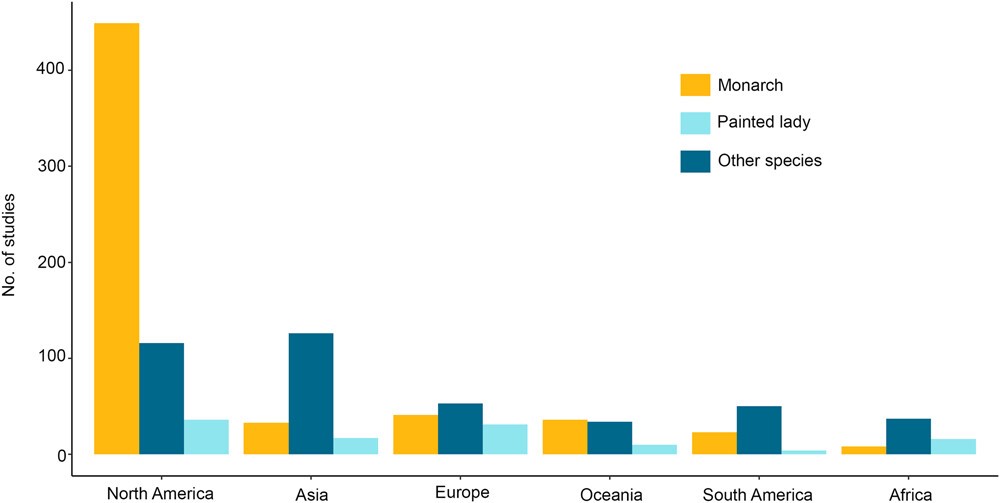
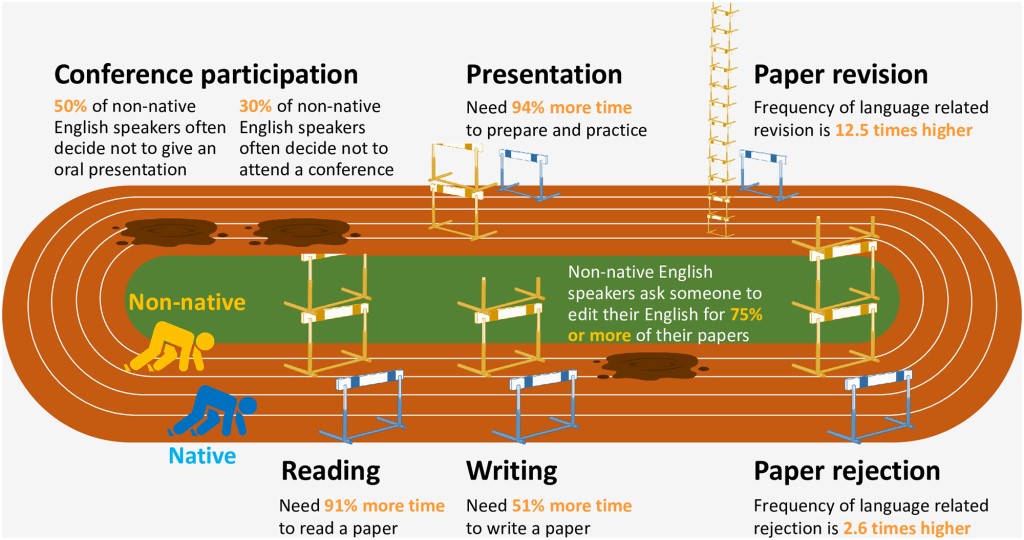
 Our understanding of global biodiversity distribution is vastly limited. While citizen science applications Causes and consequences of insect migration Migration is widespread in animals. About 12% of vertebrate species show evidence of migratory movements; however, our understanding of insect migration is vastly limited, except for some pollinating and economically important species. Our research revealed that 3.29% of butterfly species (568 species) show evidence of migratory movements, and the discovery rate indicates that there might be many more undocumented species [Chowdhury et al., Biological Reviews]. Atypical to bird migrants, the seasonal variation in habitat suitability of migratory butterflies peaks at lower latitudes (in the tropics) [Chowdhury et al., Ecology Letters]. However, ~75% of the studies on migratory butterflies are focused on either monarch or painted lady butterflies our knowledge is scarce from the tropics [Chowdhury et al., Integrative Conservation]. As a next step, we are interested in understanding the extent and the cost of migration in insects, the origin of migratory individuals, and their conservation. Language barrier and biodiversity conservation English has become the lingua franca of science. As a result, many assume that the majority of researchers publish their work in English, and the rate of publishing research in non-English languages is slowing down. However, this is not the case. In our previous research, we showed that thousands of studies on biodiversity conservation are being published in non-English languages, the publication rate is similar to English in several non-English languages, and such non-English language studies are vastly unavailable in the international search systems [Chowdhury et al., Conservation Biology]. Even in popular fields like insect migration, nearly 40% of the studies are in non-English languages [Chowdhury et al., Integrative Conservation]. However, almost all the evidence synthesis relies on English language studies and fails to reflect the accurate picture. We are interested in assessing the importance of non-English language studies in biodiversity conservation.
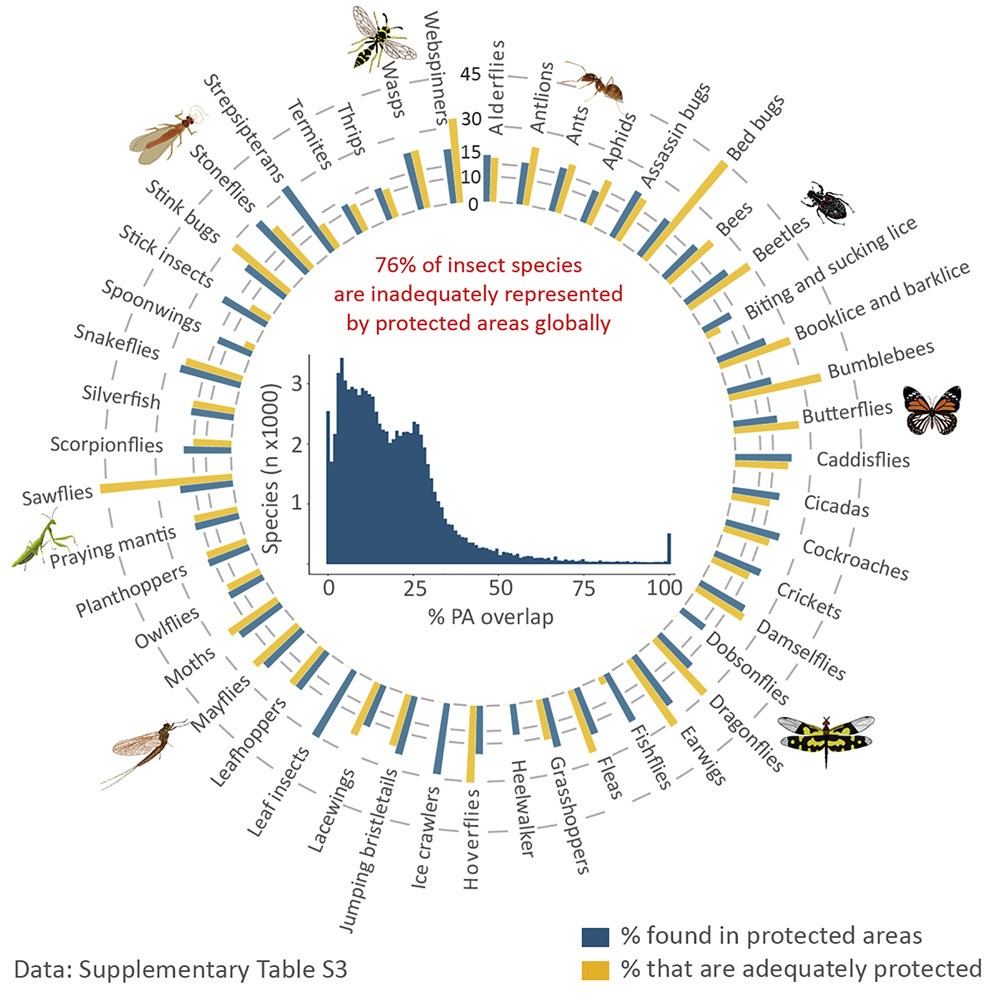
Insect conservation in the Anthropocene Insects are the most speciose animal group on earth. Like other animal groups, many insects are experiencing existential crises, yet they are often neglected in large-scale conservation assessments [Chowdhury et al., Trends in Ecology & Evolution]. In recent decades, protected areas have become the central part of biodiversity conservation in safeguarding biodiversity from diverse threats. However, when designating new protected areas, insects have been rarely considered as a focal group [Chowdhury et al., Trends in Ecology & Evolution], > 75% of insect species are inadequately represented in the current protected area system [Chowdhury et al., One Earth], and protected areas fail to cover the full annual cycle of 84% of migratory butterflies [Chowdhury et al., Conservation Biology]. The aim of our lab is to improve the situation by assessing the reasons behind this massive gap and what needs to be done to improve the situation. We are especially interested in developing efficient conservation plans to minimise the impact of global change. |