Ermakova Honours Projects
Dr Maria Ermakova
Plant Energy and Biotechnology Research Group
maria.ermakova@monash.edu
Projects
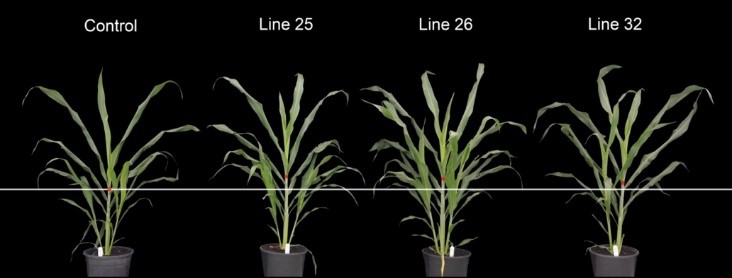
Genetic engineering of crops for improved yield and carbon capture Background: Over the next 50 years, humanity will need to produce more food than has been produced since the beginning of civilization. Developing new approaches to increase plant productivity is therefore essential to meet future food demand. Our approach focuses on improving photosynthesis, the process by which plants convert light energy, carbon dioxide, and water into sugars, which underpins plant growth, biomass accumulation, and crop yield. Enhancing photosynthesis will not only increase biomass and grain yield but also help mitigate climate change through enhanced sequestration of carbon dioxide from the atmosphere. Project Aims: This project will involve molecular and physiological characterisation of newly developed genetically modified and gene-edited sorghum, rice, and canola plants to determine how targeted genetic modifications affect photosynthesis and overall plant productivity. Techniques: Plant growth analysis; DNA, RNA, and protein isolation; digital PCR and qPCR; Western blotting; leaf gas exchange; and chlorophyll fluorescence analysis.
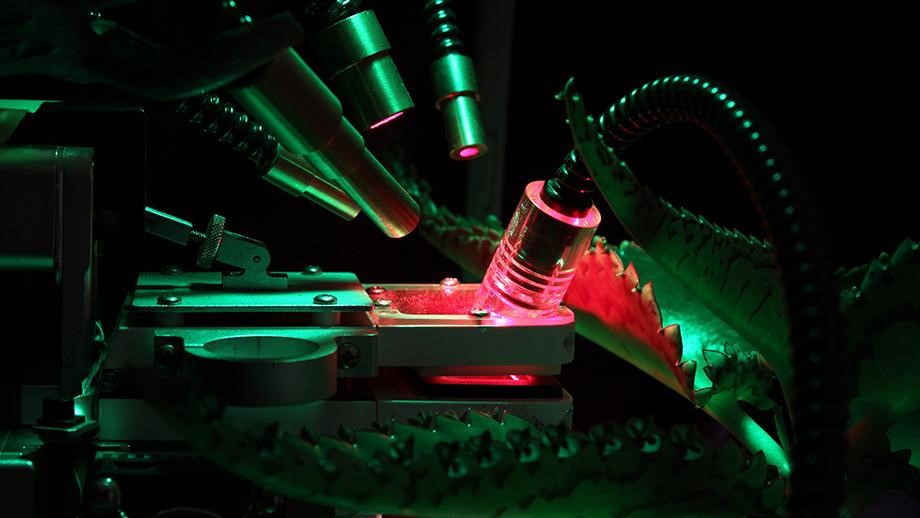
***** Powering plants under heat: mechanisms of photosynthetic thermal resilience Background: To combat heat and other environmental stresses, plants must spend ATP - the universal cellular energy currency produced from light energy through photosynthesis. One of the detrimental consequences of heat stress is increased fluidity of biological membranes that host the photosynthetic reactions. This reduces the efficiency of ATP production and ultimately increases plant susceptibility to stress. Identifying strategies that plants use to maintain or enhance ATP generation under heat stress will help develop crops better adapted to future climate conditions. Project Aims: This project will use native Australian plants that naturally grow in extreme environments to investigate the molecular and physiological mechanisms underlying heat resilience. In parallel, we will study model plants that have been gene-edited to lack specific components of the photosynthetic energy-conversion machinery. This approach will allow us to identify key components that are critical for maintaining ATP production or enabling increased ATP generation under heat stress. Techniques: Plant growth analysis; Leaf chlorophyll fluorescence and absorbance measurements for photosynthetic analysis; Western blotting.
***** |
|