Cook Projects
A/Professor Carly Cook
Conservation Management Research Group
carly cook@monash.edu
Projects
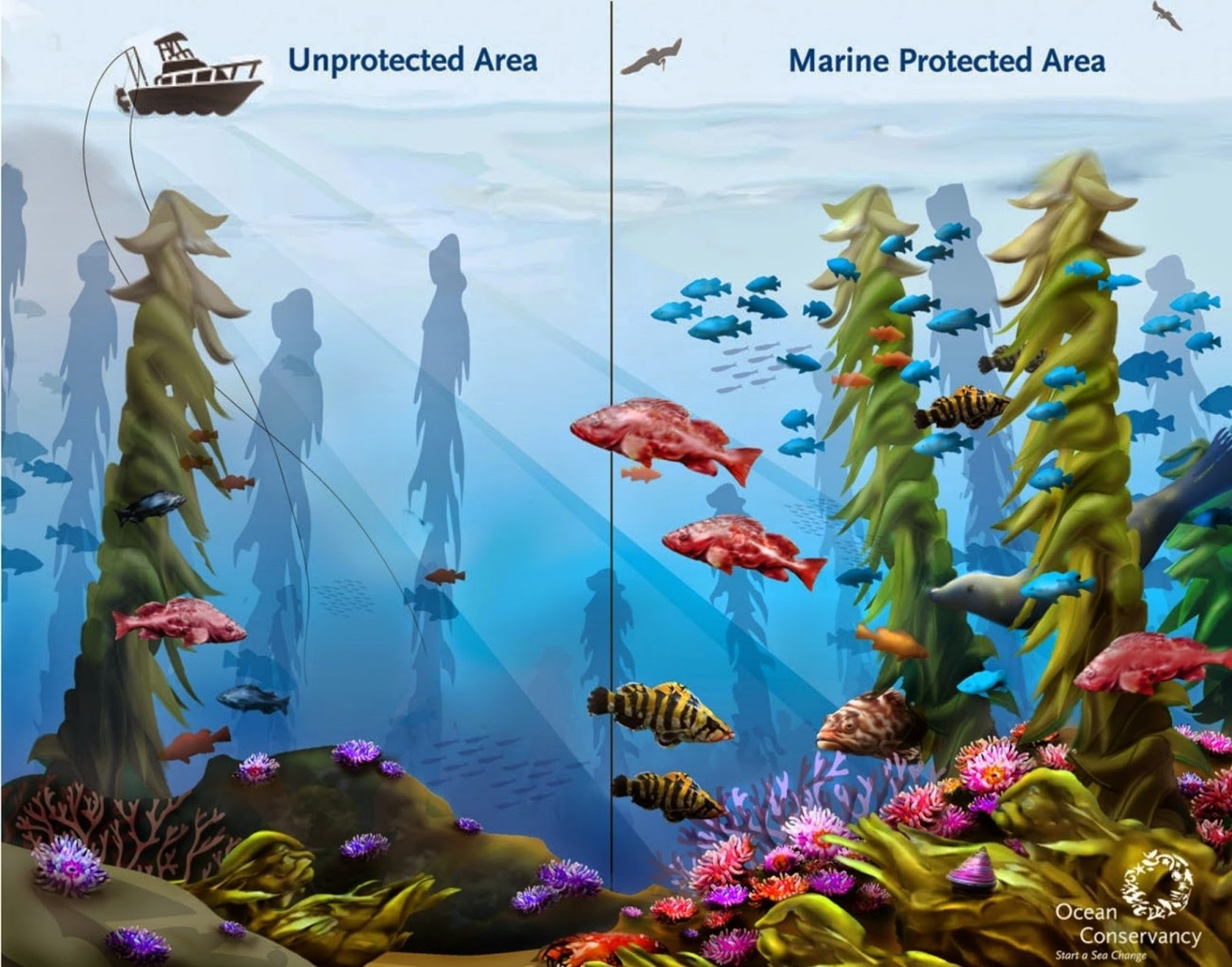
Title: Nature repair and biodiversity offsets Background: Please contact Carly for details. **** Title: Freshwater ecosystem conservation Background: Please contact Carly for details. *** Title: Assessing the recovery potential of a threatened species Part-time by negotiation Background: The IUCN Red List of Species is the global standard for assessing the risk of extinction faced by individual species. However, while changes in conservation status can be reflected through a decreased risk of extinction, it does not provide a roadmap for recovery. The Green Status of Species provides a tool to complement the Red List by assessing the recovery potential of species population and measuring the role conservation plays in achieving successful recovery. Project aims: This project will involve conducting a Green Status assessment for the critically endangered Woylie - Bettongia penicillata. Techniques: The project will involve developing a detailed understanding of the process for a Green Status assessment, gathering relevant ecological and conservation data on the species and working closely with species experts. **** Title: Do fish conservation zones act as protected areas? Part-time by negotiation Background: While protected areas are the primary tool for biodiversity conservation, there are many different places where biodiversity is protected outside of formal protected areas. Non-traditional conservation areas are increasingly being recognised as important ways we can protect biodiversity and the livelihoods of local people. There is growing awareness of locally managed marine areas, where communities establish areas that prohibit fishing, alongside areas where they harvest for food, can be effective, informal conservation areas. Less attention has been given to similar approaches in freshwater systems, where communities have fish conservation zones alongside harvest areas. It is estimated that around a billion people rely on freshwater fish for food security. This makes it essential that we can find ways to both conserve freshwater biodiversity without compromising the livelihoods of local people. Freshwater fish conservation zones are one approach to achieving win-win outcomes for people and biodiversity. Providing formal recognition of the role these fish conservation zones can play in preserving biodiversity outside of formal protected areas could provide incentives to ensure these areas are maintained over time. And increase awareness of the importance of conserving freshwater ecosystems. Project aims: This project will evaluate the potential for freshwater fish conservation zones in Laos, Cambodia and Thailand to be recognised as conserved areas. Specifically, the project will: * Compile data on the freshwater fish diversity inside and outside freshwater fish conservation zones; * Document the rules and management structures that are in place to restrict fishing activities in the conservation zones within and between countries; and * Assess the fish conservation zones against the criteria to be recognised as formal conservation areas. A key goal of this project will be to raise awareness of the critical importance of conservation areas focused on protecting freshwater ecosystems. Techniques: This project will involve the student developing an in-depth knowledge of freshwater ecosystems and the design and management of fish conservation zones. This is a mixed methods project, where the student will need to analyse existing datasets on fish biodiversity and data on fishing rules and compliance, and conduct interviews with representatives of non-government organisations who helped establish fish conservation zones. |
|