Psychedelic Science: Fundamentals to Frontiers
Micro-credential
Psychedelic science has re-emerged over the past years as one of the most fascinating and impactful frontiers of scientific inquiry. Across diverse approaches – from social science to clinical research to pharmacology – the field continues to challenge and deepen our understanding of the human brain and mind, the causes of both suffering and flourishing, and the nature of conscious awareness.
Date
Semester 1 (March) 2026
Duration
12 weeks
Location
Online
Psychedelic Science: Fundamentals to Frontiers - PDM1188
This postgraduate-level short course will provide strong introductory and foundational knowledge into psychedelic science from multidisciplinary perspectives. No prior familiarity with psychedelic science is required, and yet even those working in the field will have the opportunity to gain fresh insights and learn from leading educators in this masterclass series, covering both well-established and emerging areas of research.
At a glance
Fees
A$3,500
Who should attend
The Psychedelic Science: Fundamentals to Frontiers program is designed for anyone, anywhere in the world with an undergraduate degree (or equivalent), who is curious about or professionally interested in the field of psychedelic science. Delivered fully online, this microcredential offers a flexible and accessible way to explore the theoretical foundations of psychedelic science, guided by leading educators, researchers, and practitioners.
Whether you're a mental health professional seeking to expand your expertise, or simply someone passionate about understanding this transformative area of study, this program provides a valuable opportunity to deepen your knowledge. It also represents a potential stepping stone towards future postgraduate study, including microcredentialing to the planned Graduate Certificate in Psychedelic Therapies (subject to formal approvals and eligibility) and/or your postgraduate degree (subject to institution approval).
Program structure
This course is led by world-leading national and international experts in the field, in live teaching sessions. Participants will explore historical and indigenous uses, trace the resurgence of psychedelics in contemporary science and therapy, and explore psychopharmacology, phenomenology, and clinical research methods and findings. The program will cover the varieties of psychedelic science, ethical considerations, current debates, and future directions. Participants will have the opportunity to deep-dive into content during live seminars, and explore individual interests through assignments.
This exciting new program is developed and delivered by the nation-leading Clinical Psychedelic Lab within the Dept of Psychiatry at Monash University. It features flexible, engaging, and convenient delivery with a mixture of live and asynchronous options, depending on preference. By the end of this program, particiapnts will have a strong understanding of the fundamentals of psychedelic science, and will be prepared for further studies in this evolving field.
Location: Online
Duration: 12 weeks
Key Dates: Semester 1 (March) 2026
Delivery Mode: Live and asynchronous teaching sessions (flexible learning)
Eligibility: Available to any interested person, located anywhere, globally, who has successfully completed an undergraduate degree.
For more information about our research and education offerings, please visit monash.edu/psychedelic-education or write to psychedelic-edu-PG@monash.edu
Please note: On its own, this program does not comprise sufficient training to work as a psychedelic therapist, but may contribute to such training.
Testimonials
Hear from our 2025 cohort
This course provides an outstanding introduction to the subject of psychedelic-assisted psychotherapy. The informality and opportunity to have direct interaction with many of the leaders in the field is rather unique amongst university offerings. Worth the price of entry!
What an incredible opportunity to be able to study this course! I cannot recommend this course enough for people who would like both the historical overview and current research and practice insight into PAT. I have loved every single week!
Course educators
A/Prof Alex Gearin PhD
Deputy Director of the Medical Ethics and Humanities Unit
The University of Hong Kong
Hong Kong
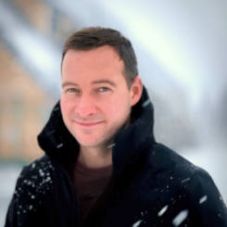
A/Professor Benjamin Breen, PhD
Department of History, Humanities Division
University of California
USA
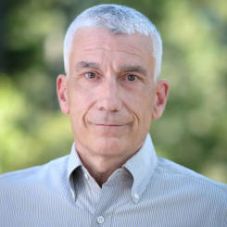
Bob Jesse
USA
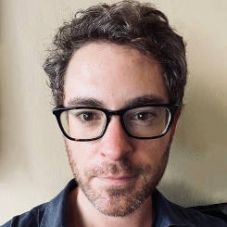
A/Professor Brian Earp, PhD
Centre for Biomedical Ethics
National University of Singapore
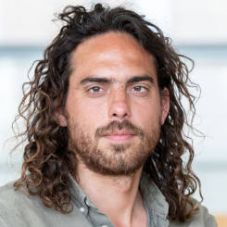
Dr Christopher Timmermann, PhD
Centre for Psychedelic Research
Imperial College London
United Kingdom
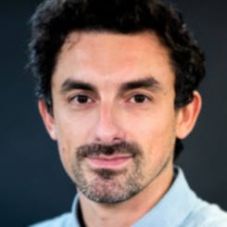
Dr David Dupuis, PhD
French Institute of Health and Medical Research
France
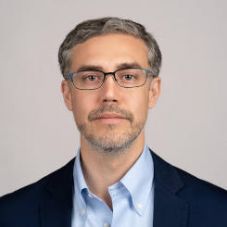
Assistant Professor David Yaden
Center for Psychedelic and Consciousness Research
Johns Hopkins University School of Medicine
Baltimore, USA
Doña Angela Lopez
Shipibo Curandera
Onaya Science
Peru
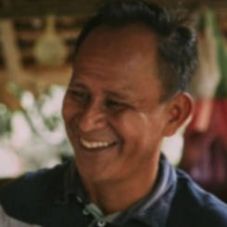
Don Miguel Lopez
Shipibo Curandero
Onaya Science
Peru
Don Wilder Mahua
Shipibo Curandero
Onaya Science
Peru
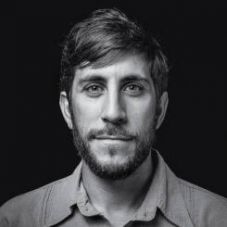
Dr Eduardo Schenberg, PhD
Petrie-Flom Center
Harvard University
United States
Professor Erika Dyck, PhD
Department of History
University of Saskatchewan
Canada
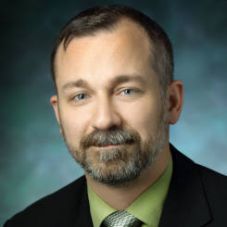
Dr Frederick S. Barrett, PhD
Center for Psychedelic and Consciousness Research
Johns Hopkins University
USA
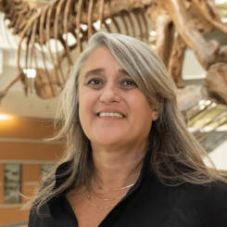
A/Prof Gül Dölen
Department of Neuroscience
Johns Hopkins School of Medicine
USA
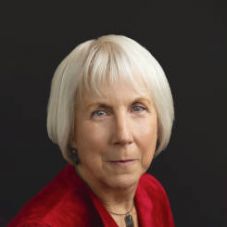
Professor Janis Phelps
The Center for Psychedelic Therapies and Research
California Institute of Integral Studies
California, USA
Dr Katrin Preller, PhD
Department of Adult Psychiatry and Psychotherapy
Psychiatric University Clinic Zurich and University of Zurich
Switzerland
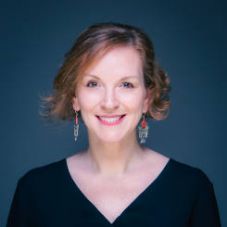
Dr Kelley O’Donnell, MD, PhD
Centre for Psychedelic Medicine
New York University
United States
Dr Leor Roseman, PhD
Department of Psychology
University of Exeter
United Kingdom
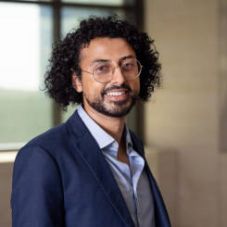
Dr Manoj Doss PhD
Department of Psychiatry & Behavioral Sciences
University of Texas
USA
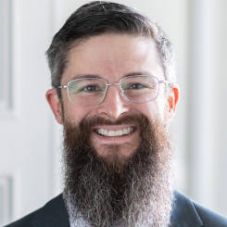
Professor Matthew Johnson, PhD
Centre of Excellence for Psilocybin Research and Treatment
Sheppard Pratt
United States
Dr Max Wolff, PhD
The MIND Foundation
OVID Clinic Berlin
Germany
Professor Nicolas Langlitz, MD, PhD
Department of Anthropology
The New School for Social Research
United States
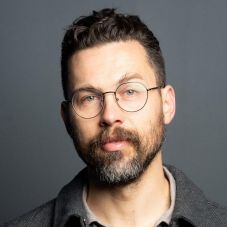
Dr Paul Liknaitzky, PhD
Clinical Psychedelic Lab
Monash University
Australia
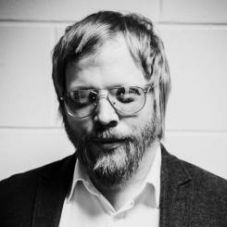
Dr Peter Sjöstedt-Hughes, PhD
Department of Psychology
The University of Exeter
United Kingdom
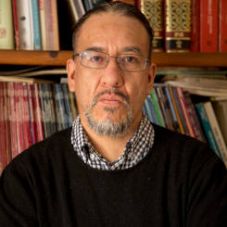
Dr Osiris Sinuhe González Romero
Center for the Study of World Religions (CSWR)
Harvard Divinity School
USA
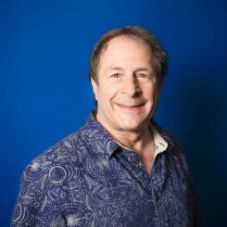
Dr Rick Doblin, PhD
Founder and President
Multidisciplinary Association for Psychedelic Studies
United States

Dr Rosalind Watts, PhD
Imperial College Centre for Psychedelic Research
Imperial College London
United Kingdom
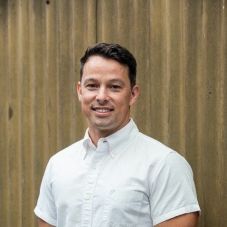
Dr Samuel Banister, PhD
Xylo Bio
Australia

Shayla Love
Science Journalist
Staff writer at The Atlantic
United States
Dr Simon Ruffell, MD, PhD
Social, Therapeutic and Community Studies
Goldsmiths University of London
United Kingdom
A/Professor Suresh Muthukumaraswamy, PhD
Faculty of Medical and Health Sciences
The University of Auckland | Waipapa Taumata Rau
New Zealand
Dr Vince Polito, PhD
School of Psychological Sciences
Macquarie University
Australia
Education support staff
Dr Paul Liknaitzky, PhD
Course Director
Sarah-Jane Brighthope
Education Manager
Debbie Lang
Course Administrator
What is the duration of the short course?
There are 12 weeks of teaching sessions, with a week's break at the end of week 8 (Monday 21st - Friday 25th April). The teaching period includes a combination of live sessions and flexible asynchronous learning. All live sessions will be recorded and uploaded to Moodle for those who cannot attend.
Are there any prerequisites?
There are no prerequisites for this short course. No prior knowledge is required. This short course is designed for both newcomers and experienced professionals.
Is the short course available online?
Yes, the course is entirely online and can be accessed from anywhere in the world. There are no face-to-face sessions.
Is the short course available to international students?
Yes, the short course is available to international students. Any person who has successfully completed an undergraduate degree can apply, regardless of their country of residence.
Will I receive a certificate upon completion?
Yes, participants will receive an official Certificate of Completion. Please note: there is no clinical training component to this short course, the content is educational only.
Will this short course prepare me to deliver psychedelic-assisted therapy?
This course provides foundational educational knowledge. It does not provide clinical training to prepare students to deliver psychedelic-assisted therapy. However, it may contribute to such training (for example, this would count as 6-points credit towards a planned Graduate Certificate in Psychedelic Therapies [24-points credit in total] at Monash University, should this award course be delivered).
What is the cost of the short course?
The course fee is $3,500.00 AUD (please check updated currency conversion rates if you are not based in Australia).
What kind of assignments will be included?
Assignments include interactive discussion forum posts, case analyses, and a critical literature review on a topic of interest to the student.
Will I get feedback on my assignments?
Yes, instructors will provide written feedback on the second and third assignment (case analysis and critical review) to help you understand your strengths and build on areas of weakness.
Is there an exam in this short course?
No, there is no exam.
Are there CSPs (Commonwealth Supported Places) for this short course?
No, the short courses do not qualify for CSP. CSP is allocated to university courses (e.g., a bachelor or masters degree), not units or short courses.
Are scholarships available for this course?
Scholarships are not available for this short course. We understand the importance of financial considerations, and we strive to keep our short course fees as accessible as possible.
How do I apply?
Please submit an Expression of Interest here. We will notify you of the outcome via email.
This course is provided by Clinical Psychedelic Lab, Department of Psychiatry