

Date
Tuesday, 2nd Feb 2027 - Tuesday, 16th March 2027

Time
6:00pm - 8:00pm AEST

Duration
7 weeks

Location
Online via Zoom
Psychopharmacology & Physical Treatments in Mental Health Care - PDM1239
This professional development short course covers a range of topic areas, including antidepressants, antipsychotics, anxiolytics, hypnotics, mood stabilisers, psychostimulants, and other adjunctive psychotropic medications. You will learn the medication indications, mechanisms of action, dose titration and contemporary uses, side-effects, drug interactions, and relevant communication challenges in psychopharmacology. Similarly, with physical therapies like ECT and TMS, you will explore the indications, mechanisms of action, side-effects, and interaction with pharmacotherapies.
At a glance
Fees
A$1500
Professor Nicholas Keks AM, MBBS MPM PhD FRANZCP, Consultant Psychiatrist
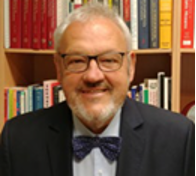 Prof Nick Keks is Professor of Psychiatry at Monash University, a psychiatrist in private practice at Delmont Private Hospital, Honorary psychiatrist at Monash Health, Executive Director of the Centre of Mental Health Education and Research at Delmont, and Professorial Fellow at the Florey Institute of Neuroscience and Mental Health. He is also a Senior Examiner for the Australian Medical Council, and Honorary Secretary of the Psychiatry Section of the Australian Medical Association Victorian Branch. Prof Keks’ qualifications include a Bachelor of Medicine and Bachelor of Surgery from the University of Melbourne, Master of Psychological Medicine from Monash University, Fellow of the Royal Australian and New Zealand College of Psychiatrists, Foundation member of its Faculty of Forensic Psychiatry, and Doctor of Philosophy from Monash University. Prof Keks is the author of over 220 peer-reviewed publications. His major interests are in psychopharmacology, mood disorders, anxiety disorders, psychoses and suicide prevention.
Associate Professor Judith Hope, MBBS (Hons) MPM PhD FRANZCP Clinical Academic, Eastern Clinical School, Monash University, Consultant Psychiatrist

A/Professor Judy Hope is a psychiatrist and researcher in mental health services, suicide prevention and psychopharmacology. Prof Hope has worked extensively across public and private services. She is committed to research that underpins high quality service delivery and psychopharmacological care of people with mental health challenges. Most recently, Prof Hope has headed mental health research at Eastern Health in Melbourne, and has run the tracking of emergency mental health related presentations of COVID19.
Dr Richard Bradlow, MBBS (Hons) MMed (Psychiatry) MSc (Addiction Studies) FRANZCP, Consultant Psychiatrist

Dr Rich Bradlow is the Medical Director of The Victoria Clinic. He specialises in addiction and neuropsychiatry. As well as working privately at the Victoria clinic, he works for the Northern NSW Local Health District and the Victorian Drug and Alcohol Clinical Advisory Service (DACAS).
This course is provided by Department of Psychiatry