
Gender identities and teaching
At a glance
Explore practical ways to support transgender and gender diverse students, including using preferred names and correct pronouns, understanding key terms such as dead names and pronouns, and responding respectfully when mistakes happen. This guide explains why respecting gender identity matters and offers strategies you can use while teaching.
Jump to these sections:
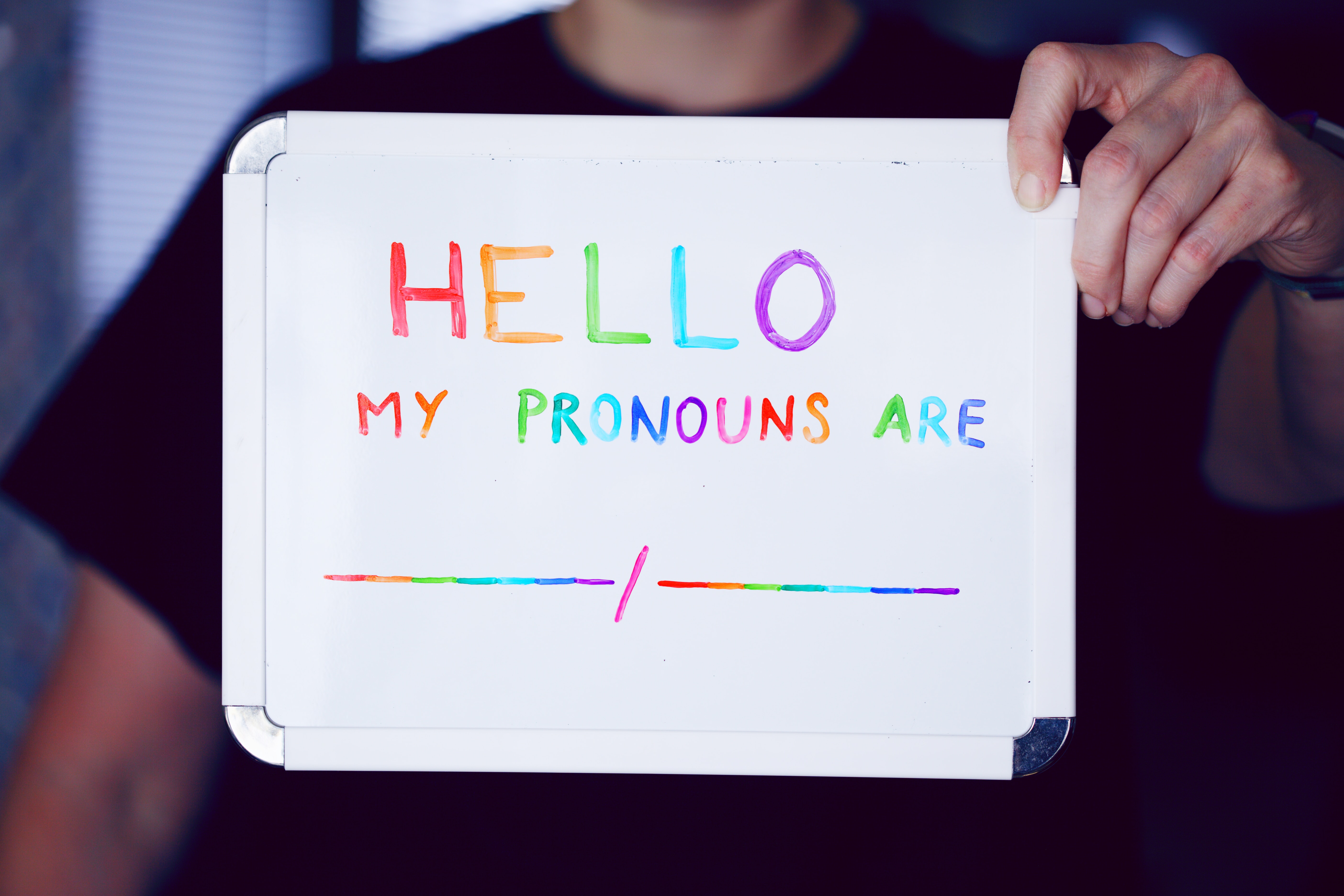
There are many ways to support students of diverse genders, sexes and sexualities in their studies at Monash. Ensuring your teaching content, teaching practice and assessments include diverse representations and acknowledge diverse lived experiences is an important way. Another small but significant and crucial way to support trans and gender diverse students in the learning environment is through the inclusive use of preferred names and correct pronouns.
Why does respecting gender identity matter?
Monash is committed to being an inclusive place to learn, work and research and this commitment is outlined in our Equity, Diversity and Inclusion Framework 2022–2030. This includes practice that supports our trans and gender diverse community.
Using preferred names and correct pronouns at Monash supports our students to bring their authentic selves into our learning environment. By using them, we prioritise the experience and wellbeing of our students.
Using a student's preferred name in teaching upholds non-discrimination.
The law in Victoria protects everyone’s right to identify as a gender that may or may not align with the sex they were assigned at birth. This means that refusing to call someone by their preferred name or use their preferred pronouns may constitute discrimination.
Key Considerations
- “Transgender” encompasses many different gender presentations and identities.
- Gender is socially constructed.
- Certain body parts do not determine gender identity.
- Gender identity is about how we see ourselves. Trans people can identify as gay, straight, bisexual, pansexual, asexual, etc.
- Gender expression is the external representation of one’s gender identity.
- Sex, gender identities, and gender expressions are all malleable.
- The best way to be an ally is to listen to trans people themselves.
- Because language shapes reality, be careful with pronouns.
- Positive interaction between faculty and trans and gender-nonconforming students is beneficial.
What can I do while teaching?
- Start with a gender Inclusion statement in the syllabus, offering guidance on pronoun usage and reasons for these practices.
- Foster an inclusive environment by addressing assumptions about gender and scrutinising language for inclusivity
- Use a student’s name or non-gendered “they/them” pronouns, particularly if you are unsure what the person would prefer.
- Don’t assume someone’s pronouns based on their appearance.
- Role model by introducing yourself with your name and pronouns, i.e. ‘my name is Lee and I use he/him pronouns’ or include them alongside your name in Zoom, i.e. ‘Lee Pappas (he/him)’.
- Try to get an up-to-date record of student names and update any other records you may have.
- Inform students that they can let you know any changes to their name and pronouns so that you can address them correctly.
- Consider using name placards or sticky labels in classes and ask students to write their preferred name on these.
- Use examples or create case studies/ scenarios etc for teaching that use different pronouns and gender identities. Inclusive teaching practice incorporates diverse genders, sexes and sexualities.
- Additionally, promote continuous learning about gender and be receptive to the experiences of LGBTQ students while considering their intersectionality with other social identities.
What to do if I make a mistake?
- Acknowledge that you’ve made a mistake, apologise for the error and confirm what you will do moving forward (e.g. “Oh, I used the wrong name for you, I’m sorry for doing that. I’ll make sure to use <correct name> in the future.”). Resist the urge to over-apologise and draw unnecessary attention to the person, keep it brief but sincere and move on quickly.
- Continuing without acknowledging the mistake is less respectful than making the correction. Additionally, correcting the mistake helps the person who was misidentified and prevents others in the conversation from adopting incorrect pronoun assumptions.
Correcting others
- When a student makes a pronoun mistake, it's a good practice to offer a correction. This correction should be made regardless of whether the person whose pronoun was misused is present. It helps prevent future mistakes and rectifies any misconceptions that may have arisen in the minds of others who heard the error during the conversation.
- Learn more in the Pronoun Pro workshop to learn more about pronoun usage, the emotional impact of misgendering and deadnaming and how to support the trans and gender diverse community at Monash and beyond.
- Monash uses the acronym LGBTIQA+ to be as inclusive as possible. We acknowledge that other variations of this acronym exist and are also valid.
- By its very nature, language is fluid, dynamic, subjective and contested and its meaning has the potential to change over time. This list is not exhaustive or definitive but provided as a guide.