Engage students asynchronously
At a glance
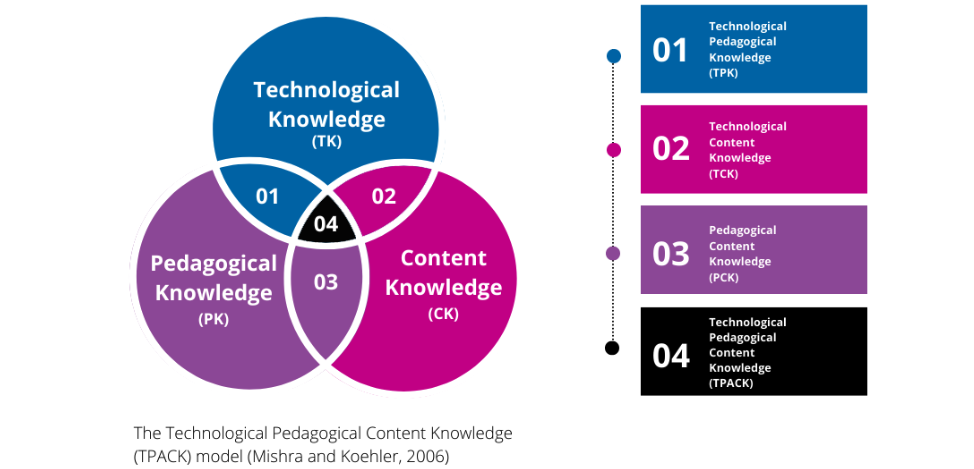
Design asynchronous learning activities that keep students engaged, connected and learning at their own pace. Explore the five levels of engagement, structure Moodle as an active online classroom, encourage student interaction and apply the TPACK framework to choose technology that meaningfully supports your content and pedagogy.
Jump to these sections:
Asynchronous learning activities refer to online teaching and learning activities that don’t require you and the learner to be online at the same time. Unlike synchronous learning activities, these activities allow students to work at their own pace. If implemented well, asynchronous activities can foster collaboration and engagement among your students and elicit a sense of community.
Asynchronous learning does not need to be an isolating experience for students. It can include a variety of interactions among students and yourself via discussions or collaborations happening in different locations and times. It is optimal to have a blend of self-paced activities that students complete on their own with activities where they can collaborate or contribute to a shared task.
“Most of the work students do—much of their learning activity—takes place without direct supervision from their teachers. Hence, teachers need to design good learning tasks and to communicate task specifications clearly to their students.” (Goodyear, 2015, p. 33)
Integrate the five levels of engagement
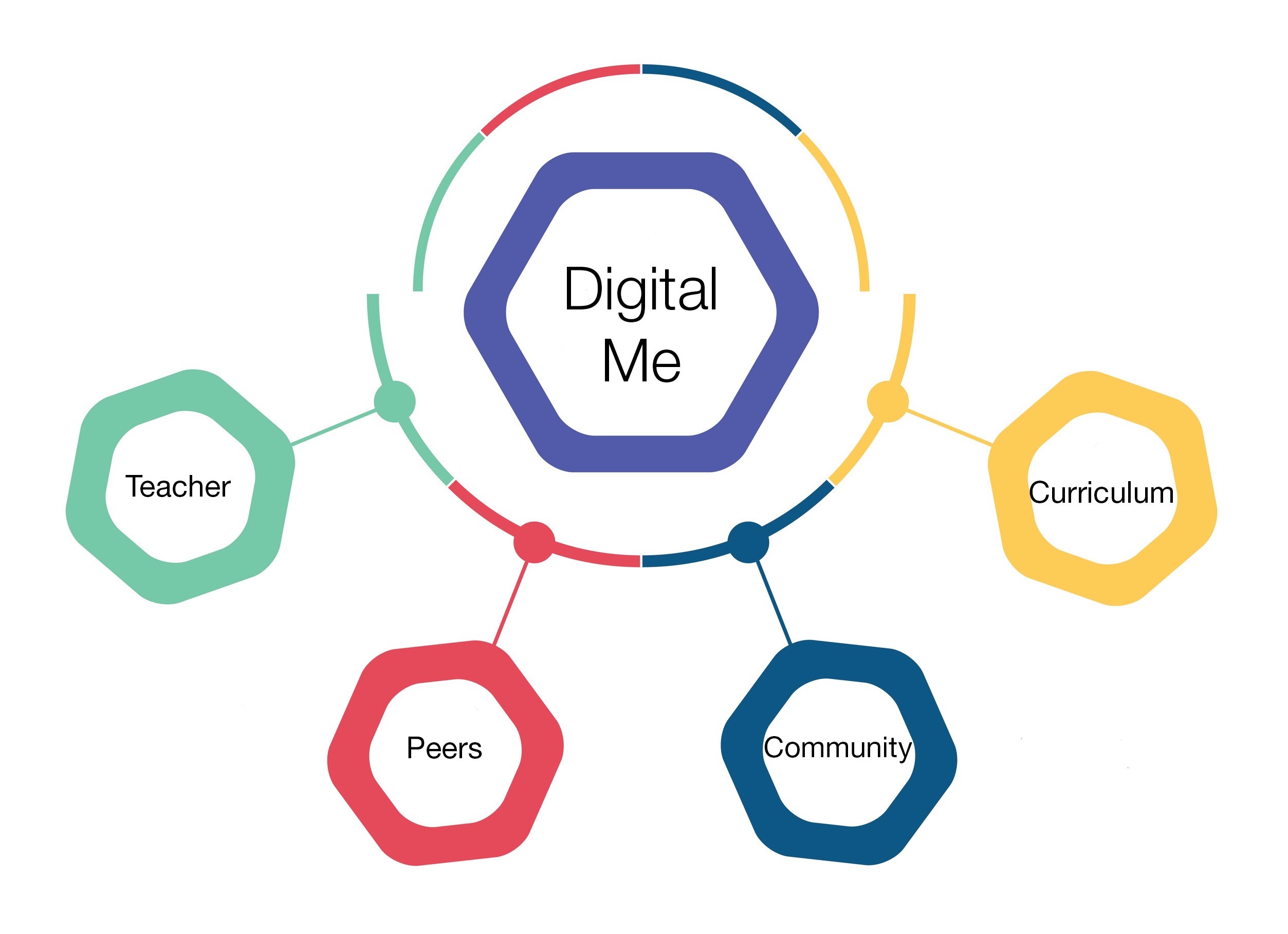
Student engagement in asynchronous learning activities is strongly connected to interactivity. This can be done through a variety of different activity types that will include interactions with the content, peers and yourself as the educator.
When designing these learning opportunities plan activities that will target one or multiple of these five levels of engagement: cognitive, behavioural, collaborative, social and emotional (Henrie and alt, 2015). These five levels of engagement can be used interchangeably and should be at the forefront of your mind when you’re first considering the purpose of your asynchronous activity.
The interactive diagram below outlines what these five levels of engagement are and how they might be used when designing asynchronous activities.
Consider these guiding questions
View

Moodle as your online classroom
Moodle is not only a content repository where you share materials and resources with your students. It is also a place where you can structure the online learning experience. Here are some guidelines on what to consider when creating an active asynchronous learning experience for students.