Student voice in assessment
At a glance
Explore what student voice means in higher education and why it matters for engagement, motivation and ownership of learning. Understand the research behind students as partners, the benefits for students and staff, and how Monash academics can involve students in unit design, feedback and assessment.
Listening to students is a vital part of supporting students in their academic journeys. Incorporating student voice into your teaching practice involves providing opportunities for students to be active learners, teaching them in ways that are meaningful and effective to them, and assessing their progress in ways that are fair, flexible and promotes personal and professional growth.
Remember: The difference between student voice strategies and other effective student-centred strategies (e.g. active learning, problem-based learning) is that in student voice you are acting on student opinions and perspectives in meaningful ways. There are many great ways in which this is being done at Monash, for example in Science, Djuke Veldhuis uses two strategies she has developed: “Post-it Note Negotiated Curriculum” and “Soft Shoe Shuffle Values Spectrum”.
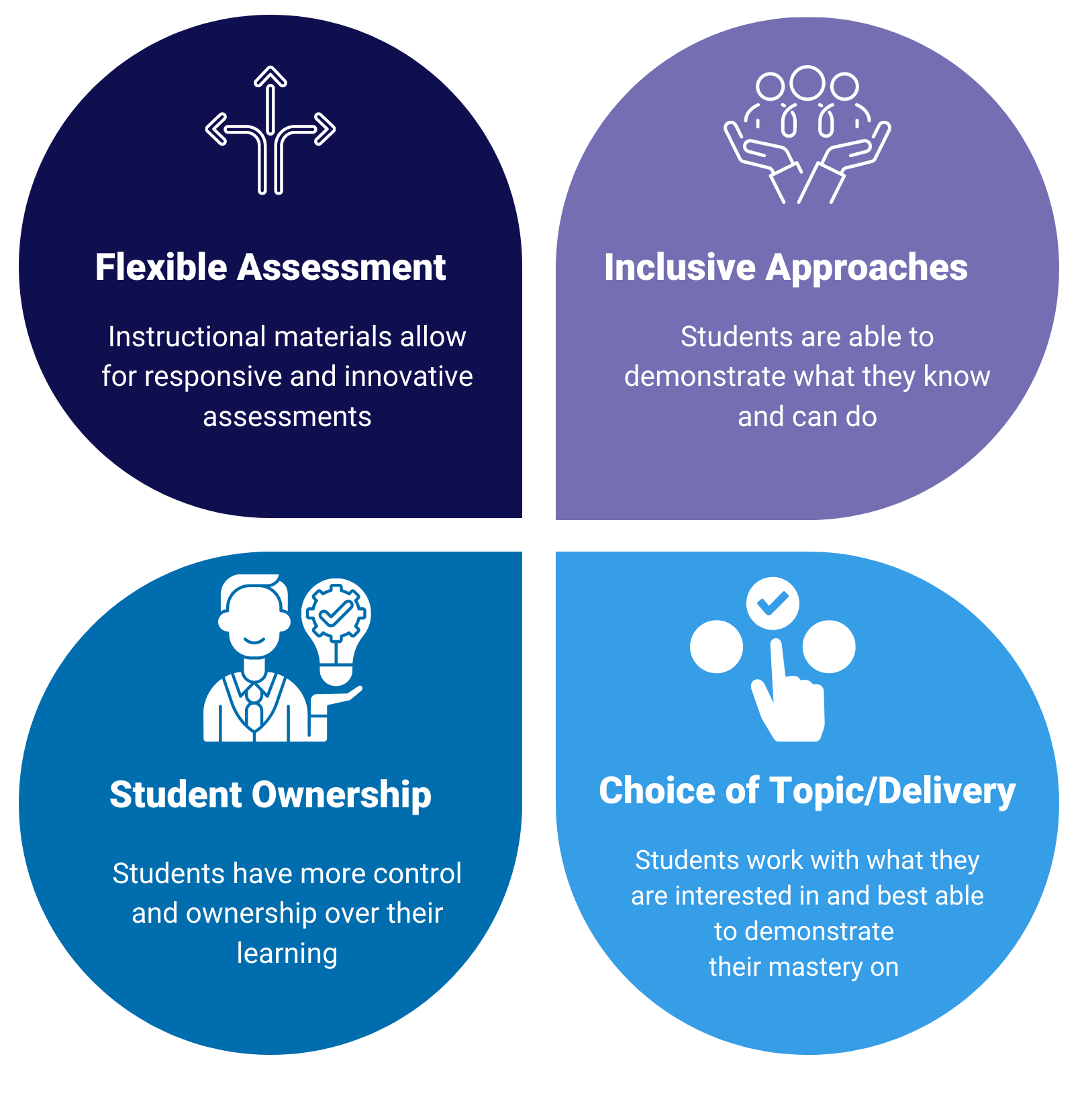
The need for adaptive and creative assessments has increased as learning and instruction are moving towards a hybrid approach. By prioritising flexible assessment, educational institutions can give students more control and ownership over their learning and assessment processes. Here we explore some of the key benefits of flexible assessment and provide practical examples of how it can be incorporated into curriculum design.
From negotiated assessments and interactive feedback forms to peer teaching and active learning strategies, there are numerous ways to promote flexible assessment and encourage student engagement and empowerment in the learning process.
The following list shows a number of ways that can be implemented to encourage the student voice.